

Valença, sometimes called Valença do Minho, is a Portuguese city in the district of Viana do Castelo, North region and sub-region of Alto Minho
The city of Valença is the seat of the municipality of Valença with an area of 117.13 km 2 and 14,127 inhabitants (2011), subdivided into 11 parishes. The municipality is limited to the east by the municipality of Monção, to the south by Paredes de Coura, to the west by Vila Nova de Cerveira and to the northwest and north by Galicia (municipality of Tui).
The charter of D. Sancho I then called Contrasta (1262) is called Valença do Minho and was elevated to city status on June 12, 2009.
Saint Teotónio, the first Portuguese saint, today the patron saint of this city, was one of the allies of the then young Dom Afonso Henriques when he proclaimed Portugal's independence.
Valença do Minho still preserves a historic walled village, a heritage from the burgh times with narrow streets, houses, restaurants and shops behind the imposing stone walls.
The ancient fortress, whose history dates back to the 12th and 13th centuries, is in the highest part of the city, and stone walls follow a tortuous perimeter of straight segments more than one level before reaching the citadel.
At the top of the walls, cannons always remained pointed towards the opposite bank of the river, to repel or even intimidate opponents, who in medieval times were not few.
Visitors can observe on the River Minho the fishing grounds that constitute a historical legacy of popular buildings that witnessed the artisanal river fishing that was practiced here (today artisanal fishing is still practiced), the riverside landscapes that make this region the presence of a set of habitats of high ecological interest for the conservation of species associated with the aquatic environment and riverine vegetation.
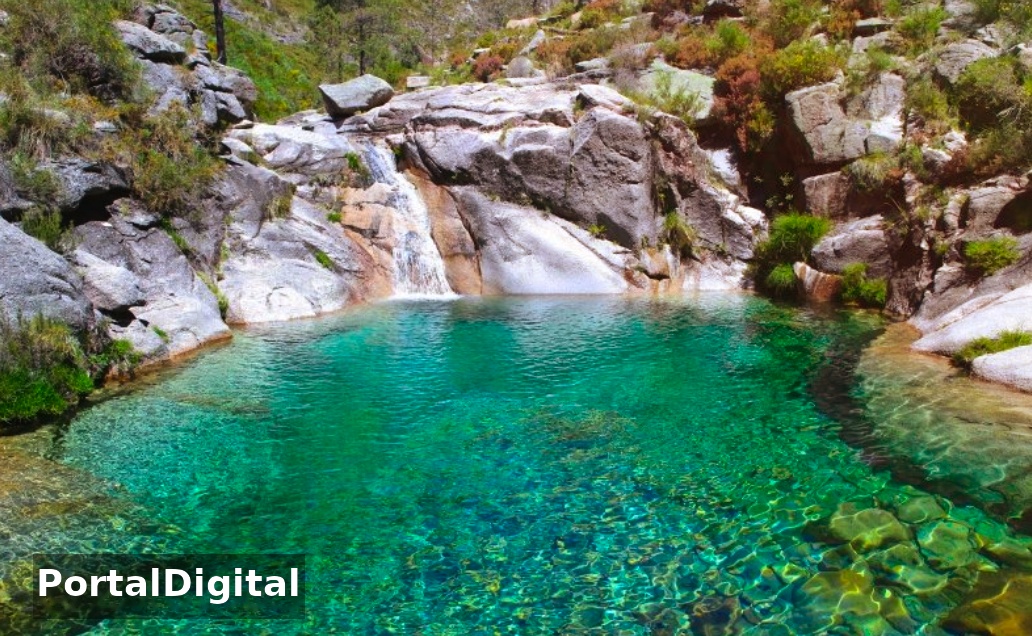
The main tourist attractions in Valença are: Fortaleza de Valença, Torre de Lapela, Igreja Santa Maria dos Anjos (Main Church of Valença, inserted in the walled area of the fortress of Valença, Church of Santo Estevão (Rua Dr. Pedro Augusto Dias, Valença), Capela do Bom Jesus (Tv. do Bom Jesus, Valença), Marco Miliário Romano (R. José Rodrigues, Santo Estevão), Cascata da Grova, Parque de Merendas de Monastery (on the slopes of Cerdal, next to the Grova stream, Valença), Statue of S. Teotónio (Largo do Bom Jesus, Valença), Firefighter Manuel Valdés Sobral Museum (Praça da República, Valença), Sanfins Monastery (7th/13th century), Valença Museum Center (Rua de Mouzinho de Albuquerque, Valença), Sanctuary of Our Lady of the Head (Valença), Sanctuary of Monte do Faro (Valença), Portal of Quinta de Castro (Valença), Ecopista Valença, Municipal garden (Avenida Dr. Tito Fontes, Valença), Tui-Valença International Bridge (Road-Railway Bridge of Valença), Castle of São Martinho da Penha da Rainha Village and Fortified Cossourado.
The charter of D. Sancho I then called Contrasta (1262) is called Valença do Minho and was elevated to city status on June 12, 2009.
Saint Teotónio, the first Portuguese saint, today the patron saint of this city, was one of the allies of the then young Dom Afonso Henriques when he proclaimed Portugal's independence.
Valença do Minho still preserves a historic walled village, a heritage from the burgh times with narrow streets, houses, restaurants and shops behind the imposing stone walls.
The ancient fortress, whose history dates back to the 12th and 13th centuries, is in the highest part of the city, and stone walls follow a tortuous perimeter of straight segments more than one level before reaching the citadel.
At the top of the walls, cannons always remained pointed towards the opposite bank of the river, to repel or even intimidate opponents, who in medieval times were not few.
Visitors can observe on the River Minho the fishing grounds that constitute a historical legacy of popular buildings that witnessed the artisanal river fishing that was practiced here (today artisanal fishing is still practiced), the riverside landscapes that make this region the presence of a set of habitats of high ecological interest for the conservation of species associated with the aquatic environment and riverine vegetation.
The main tourist attractions in Valença are: Fortaleza de Valença, Torre de Lapela, Igreja Santa Maria dos Anjos (Main Church of Valença, inserted in the walled area of the fortress of Valença, Church of Santo Estevão (Rua Dr. Pedro Augusto Dias, Valença), Capela do Bom Jesus (Tv. do Bom Jesus, Valença), Marco Miliário Romano (R. José Rodrigues, Santo Estevão), Cascata da Grova, Parque de Merendas de Monastery (on the slopes of Cerdal, next to the Grova stream, Valença), Statue of S. Teotónio (Largo do Bom Jesus, Valença), Firefighter Manuel Valdés Sobral Museum (Praça da República, Valença), Sanfins Monastery (7th/13th century), Valença Museum Center (Rua de Mouzinho de Albuquerque, Valença), Sanctuary of Our Lady of the Head (Valença), Sanctuary of Monte do Faro (Valença), Portal of Quinta de Castro (Valença), Ecopista Valença, Municipal garden (Avenida Dr. Tito Fontes, Valença), Tui-Valença International Bridge (Road-Railway Bridge of Valença), Castle of São Martinho da Penha da Rainha Village and Fortified Cossourado.