
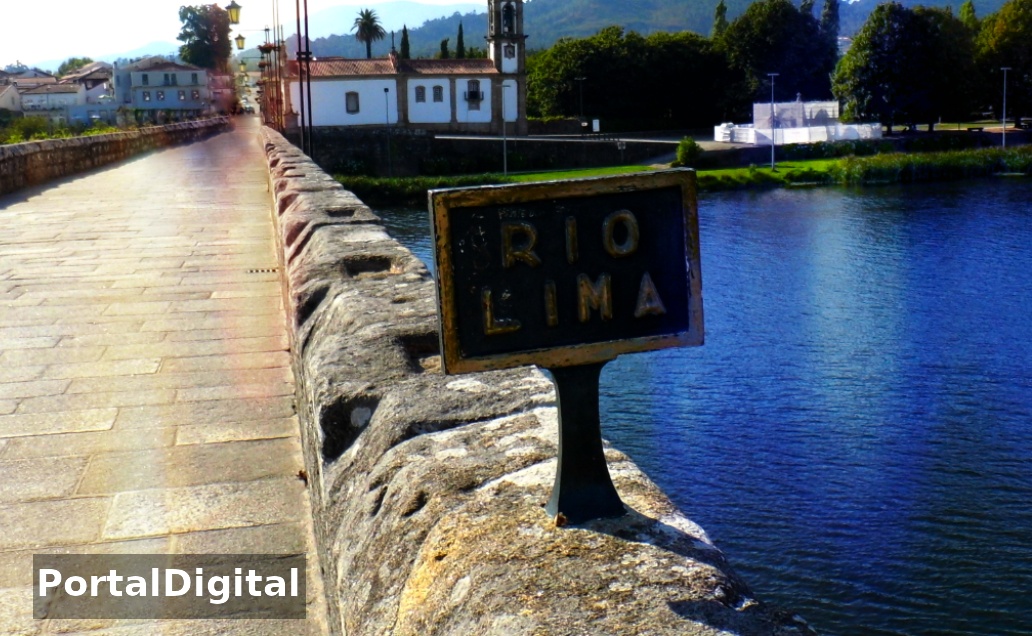
Localiza-se sobre o rio Lima, freguesia de Ponte de Lima, Vila de Ponte de Lima, distrito de Viana do Castelo, Norte de Portugal
O ex-libris de Ponte de Lima que conjuntamente com o rio que banha a vila deu o nome à localidade e à sua ponte.
História de Ponte Romana de Ponte de Lima
A Ponte Romana de Ponte de Lima remonta ao período da invasão romana da península Ibérica, tendo sido erguida possivelmente no século I sob o governo do Imperador Augusto.
A ponte romana data provavelmente do século I que se procedeu à abertura do trajeto de uma das vias militares do antigo "Conventus Bracaraugustanus" que ligava Braga a Astorga e a Via XIX mandada abrir pelo Imperador Augusto.
Na Idade Média foi reconstruída possivelmente quando a povoação recebeu o foral de D. Teresa de Leão em 4 de março de 1125.
No que respeita à parte medieval pode recuar-se até aos reinados de D. Pedro I e de D. Fernando por ligação direta à construção das muralhas e das torres que fortificaram a vila, terminada em 1370 ou até de D. Dinis.
A documentação da altura refere no reinado de D. Manuel I uma ponte de madeira por ter mandado fazer novo calçamento e colocar merlões para decoração da ponte pois já não se justificavam como opção defensiva e militar (1504).
A ponte romana data provavelmente do século I que se procedeu à abertura do trajeto de uma das vias militares do antigo "Conventus Bracaraugustanus" que ligava Braga a Astorga e a Via XIX mandada abrir pelo Imperador Augusto.
Na Idade Média foi reconstruída possivelmente quando a povoação recebeu o foral de D. Teresa de Leão em 4 de março de 1125.
No que respeita à parte medieval pode recuar-se até aos reinados de D. Pedro I e de D. Fernando por ligação direta à construção das muralhas e das torres que fortificaram a vila, terminada em 1370 ou até de D. Dinis.
A documentação da altura refere no reinado de D. Manuel I uma ponte de madeira por ter mandado fazer novo calçamento e colocar merlões para decoração da ponte pois já não se justificavam como opção defensiva e militar (1504).
Características de Ponte Romana de Ponte de Lima
A Ponte é composta por dois troços distintos, um romano e outro medieval, implanta-se diretamente sobre terreno de aluvião sobre o rio Lima ligando a margem esquerda do rio à margem direita conhecida como Além do Rio.
O troço medieval possui tabuleiro rampante assente sobre quinze arcos apontados visíveis, um deles com soleira com talha-mares de forma prismática a montante e quadrangulares do lado oposto, encimados por olhais também de arco apontado.
Um conjunto formado por duas pontes: um troço medieval de maior dimensão que tem início na margem esquerda e se estende até à Igreja de Santo António da Torre Velha e passa em dois arcos.
O troço da ponte romana contém apenas cinco arcos que está em leito seco e se descer verá os alicerces da Torre Velha que é a primeira do sistema defensivo medieval.
A ponte em alvenaria de pedra ergue-se sobre 27 arcos apresenta dois troços distintos: o romano na margem direita do rio com 7 arcos e encontra-se encoberto pelo maciço onde se ergue a Igreja de Santo António da Torre Velha e a parte medieval com 17 arcos e 2 deles soterrados.
O tabuleiro tem pavimento lajeado, lateralmente com ralos de escoamento direcionado para as gárgulas, de canhão, que se dispõem irregularmente.
A norte do troço medieval subsiste a base de uma das torres que a fortificava avançando para jusante, de planta quadrangular e corpo terminando ao nível da guarda do tabuleiro.
A partir da torre desenvolve-se o troço romano da ponte muito simples e de tabuleiro assente sobre sete arcos de volta perfeita e dispostos irregularmente e com diferente amplitude de vão.
Os arcos têm aparelho rústico e denotam ainda os fórfex para içar as pedras e o sétimo arco, a norte, e do aldo montante, está entaipado pelo maciço onde assenta a Igreja de Santo António da Torre Velha e o seguinte, mas do lado jusante, está também entaipado, restando apenas cinco arcos visíveis.
O troço medieval possui tabuleiro rampante assente sobre quinze arcos apontados visíveis, um deles com soleira com talha-mares de forma prismática a montante e quadrangulares do lado oposto, encimados por olhais também de arco apontado.
Um conjunto formado por duas pontes: um troço medieval de maior dimensão que tem início na margem esquerda e se estende até à Igreja de Santo António da Torre Velha e passa em dois arcos.
O troço da ponte romana contém apenas cinco arcos que está em leito seco e se descer verá os alicerces da Torre Velha que é a primeira do sistema defensivo medieval.
A ponte em alvenaria de pedra ergue-se sobre 27 arcos apresenta dois troços distintos: o romano na margem direita do rio com 7 arcos e encontra-se encoberto pelo maciço onde se ergue a Igreja de Santo António da Torre Velha e a parte medieval com 17 arcos e 2 deles soterrados.
O tabuleiro tem pavimento lajeado, lateralmente com ralos de escoamento direcionado para as gárgulas, de canhão, que se dispõem irregularmente.
A norte do troço medieval subsiste a base de uma das torres que a fortificava avançando para jusante, de planta quadrangular e corpo terminando ao nível da guarda do tabuleiro.
A partir da torre desenvolve-se o troço romano da ponte muito simples e de tabuleiro assente sobre sete arcos de volta perfeita e dispostos irregularmente e com diferente amplitude de vão.
Os arcos têm aparelho rústico e denotam ainda os fórfex para içar as pedras e o sétimo arco, a norte, e do aldo montante, está entaipado pelo maciço onde assenta a Igreja de Santo António da Torre Velha e o seguinte, mas do lado jusante, está também entaipado, restando apenas cinco arcos visíveis.
Classificação de Ponte Romana de Ponte de Lima
A Ponte Romana de Ponte de Lima encontra-se classificada como Monumento Nacional desde 1910.