

Peniche is a coastal municipality and a city in Portugal located in the West region, formerly the Province of Estremadura, the population in 2011 was 27,753 in an area of 77.55 km 2
The city was built on a rocky peninsula that is considered by geologists to be a unique example of Tarcian renewal during the Early Jurassic worldwide extinction.
The city of Peniche is known for its extensive beaches where recreational and sporting activities such as surfing, windsurfing, bodyboarding and kitesurfing are practiced.
Peniche is one of the best surfing spots in Europe and has beaches and breakwaters in three different directions, making it a consistent destination for surfers: surf schools, the MEO Rip Curl Pro Portugal tour of the World Surf League (WSL) world championship takes place annually on Supertubos beach.
The beaches with lots of wind and good surfing waves with Supertubos, that is, waves forming fast and powerful tubes considered among the best in Europe, the area was called the "European Pipeline" in honor of the Banzai Pipeline in Hawaii.
The Peniche Fortress is a notable example of Portuguese coastal defenses and during the 20th century authoritarian regime (Estado Novo) it was used as a prison for communists and opponents of the regime.
The Berlengas islands, approximately 10 kilometers off the coast of the peninsula, are part of the municipality and form one of the first natural reserves in the world. In summer, they can be visited by ferry from Peniche.
The City of Peniche with its panoramic harbor, white windmills, chapels and long sandy beaches inspired famous artists such as Maurice Boitel (French painter).
In ancient times, the city of Peniche was already an important fishing port where the economy is based on fishing, agriculture and tourism.
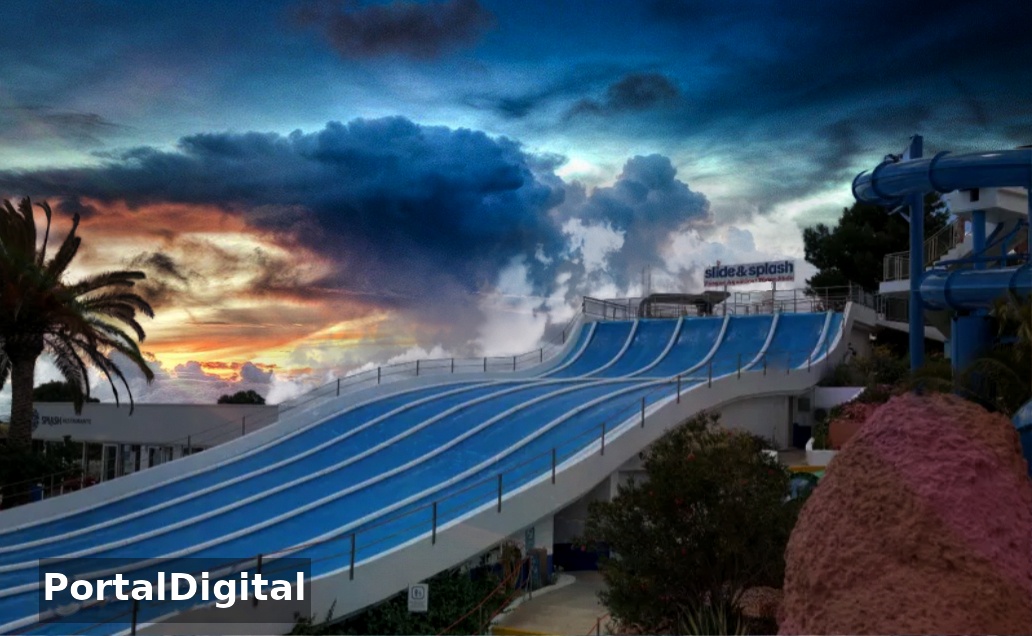
The main attractions of the City of Peniche are: Ilha da Berlenga Grande, Fortaleza de São João Baptista (Forte das Berlengas), Forte de Peniche, Cabo Carvoeiro, Farol do Cabo Carvoeiro, Monument to Rendilheira, Berlengas, Farol da Berlenga, Caverna da Furninha, Balcony of Pilatos, Bobbin Lace Museum of Peniche, Ilheu da Papoa, Península de Peniche, Nossa Senhora dos Remédios Sanctuary (Peniche), Church of Nossa Senhora da Ajuda (Peniche), Church of the Santa Casa da Misericórdia de Peniche, Church of Santa Bárbara, Berlengas Islands, Cerro da Velha, Baleal Island, Baleal Beach - South, São Bernardino Beach, Fora Island, São Domingos Dam, Berlengas Natural Reserve, Medão Grande Beach, National Resistance and Freedom Museum, Sportágua - Park de Diversões Aquático, Lda., Papôa - Peniche, Praia da Consolação, Praia dos Supertubos, Praia do Molhe Leste, Praia da Cova da Alfarroba, Praia de Peniche de Cima, Praia da Gamboa, Praia do Baleal, Praia do Portinho da Areia do Norte, Prainha de São Pedro, Praia do Portinho da Areia Sul, Praia da Almagreira, Praia Lagide, Praia do Carreiro do Mosteiro, São Bernardino Beach, Pico da Mota Beach, Praia D''''El Rey Golf Course and Porto Batel.
The city of Peniche is known for its extensive beaches where recreational and sporting activities such as surfing, windsurfing, bodyboarding and kitesurfing are practiced.
Peniche is one of the best surfing spots in Europe and has beaches and breakwaters in three different directions, making it a consistent destination for surfers: surf schools, the MEO Rip Curl Pro Portugal tour of the World Surf League (WSL) world championship takes place annually on Supertubos beach.
The beaches with lots of wind and good surfing waves with Supertubos, that is, waves forming fast and powerful tubes considered among the best in Europe, the area was called the "European Pipeline" in honor of the Banzai Pipeline in Hawaii.
The Peniche Fortress is a notable example of Portuguese coastal defenses and during the 20th century authoritarian regime (Estado Novo) it was used as a prison for communists and opponents of the regime.
The Berlengas islands, approximately 10 kilometers off the coast of the peninsula, are part of the municipality and form one of the first natural reserves in the world. In summer, they can be visited by ferry from Peniche.
The City of Peniche with its panoramic harbor, white windmills, chapels and long sandy beaches inspired famous artists such as Maurice Boitel (French painter).
In ancient times, the city of Peniche was already an important fishing port where the economy is based on fishing, agriculture and tourism.
The main attractions of the City of Peniche are: Ilha da Berlenga Grande, Fortaleza de São João Baptista (Forte das Berlengas), Forte de Peniche, Cabo Carvoeiro, Farol do Cabo Carvoeiro, Monument to Rendilheira, Berlengas, Farol da Berlenga, Caverna da Furninha, Balcony of Pilatos, Bobbin Lace Museum of Peniche, Ilheu da Papoa, Península de Peniche, Nossa Senhora dos Remédios Sanctuary (Peniche), Church of Nossa Senhora da Ajuda (Peniche), Church of the Santa Casa da Misericórdia de Peniche, Church of Santa Bárbara, Berlengas Islands, Cerro da Velha, Baleal Island, Baleal Beach - South, São Bernardino Beach, Fora Island, São Domingos Dam, Berlengas Natural Reserve, Medão Grande Beach, National Resistance and Freedom Museum, Sportágua - Park de Diversões Aquático, Lda., Papôa - Peniche, Praia da Consolação, Praia dos Supertubos, Praia do Molhe Leste, Praia da Cova da Alfarroba, Praia de Peniche de Cima, Praia da Gamboa, Praia do Baleal, Praia do Portinho da Areia do Norte, Prainha de São Pedro, Praia do Portinho da Areia Sul, Praia da Almagreira, Praia Lagide, Praia do Carreiro do Mosteiro, São Bernardino Beach, Pico da Mota Beach, Praia D''''El Rey Golf Course and Porto Batel.