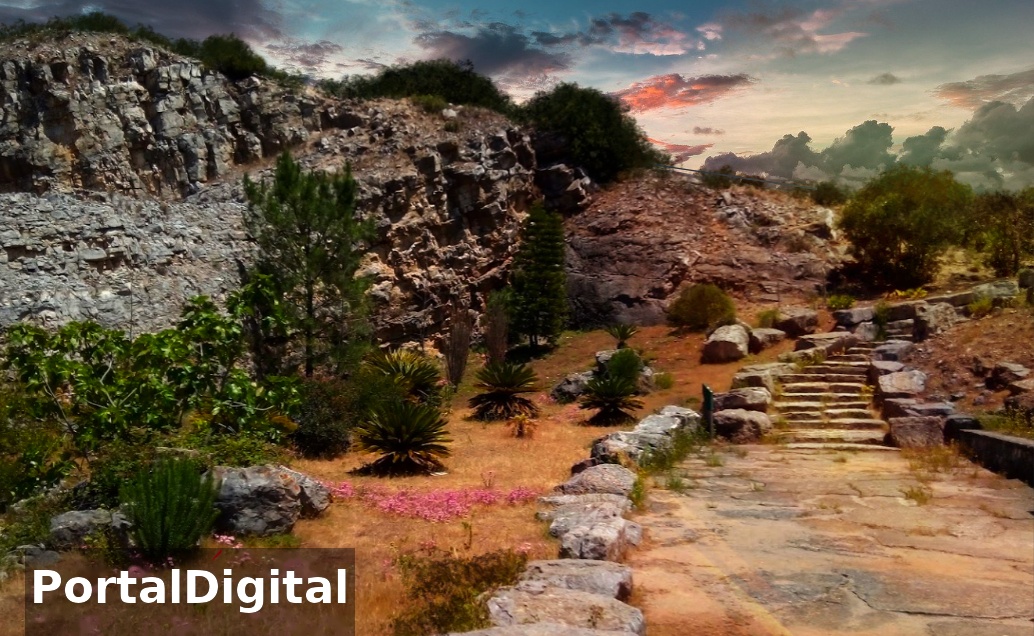
Natural Parks spread across the country are found in preserved places, made up of a wide variety of fauna and flora species and many of the areas are classified as unique Parks and Natural Reserves in the World
Peneda-Gerês was the only one classified as a National Park because it is located in the northwest of the territory, it has stunning landscapes between mountains and reservoirs where unique species such as the wild garno and the Castro Laboreiro dog breed. In Montesinho Park, rural life is preserved, formed by community villages in which populations share tasks and equipment for their activities such as agriculture and fishing.
In the Alvão Natural Park, rivers flow between cliffs and cliffs and there are spectacular waterfalls such as Fisgas de Ermelo, the river that forms the border with Spain is called the international Douro Park, whose deep valleys form gorges where birds of prey such as the Egyptian Vulture nest and another protected area, Albufeira do Azibo, which is also ideal for bird watching and leisure time on its river beaches. In the North Coast Natural Park there is a succession of beaches and dunes that rival the São Jacinto Dunes Natural Reserve, sought after by water birds.
In Central Portugal we find other parks and the largest is Serra da Estrela where the highest point in mainland Portugal is located. Serra da Estrela, made up of slopes and lagoons, offers a variety of activities: hiking, cycling, climbing and canoeing. In the international Tagus, more than 154 species of birds nest, including the black stork. In Serra da Malcata we have the Iberian lynx and in Serra do Açor the luxuriant vegetation characteristic of these mountains with nativity-shaped villages made up of slate and slate houses.
In the capital Lisbon, by the sea, there are two more natural parks of stunning beauty: the Sintra-Cascais Park formed by beaches of golden sand and lush vegetation, Arrábida where the mountains with their green mantle alternate with the white limestone cliffs and all the shades of blue of the ocean. On the Arriba Fóssil da Costa de Caparica, the cliffs carved by erosion take on golden tones, especially at sunset, in the river estuaries it is the fauna that gives rise to the most spectacular images, both in the Tagus with the pink-plumaged flamingos, in Sado with the dolphins and white storks, further south the Santo André and Sancha Lagoons also have a diverse set of ecosystems.
In Alentejo, the Serra de São Mamede stands out for its altitude and vegetation and to the west the Parque Natural do Sudoeste Alentejano e Costa Vicentina, one of the best preserved stretches of coast in Europe. In the Parque Natural do Vale do Guadiana the river runs between tight banks, in the Algarve it branches into streams and channels across the plain in the Sapal de Castro Marim and Vila Real de Santo António, the Ria Formosa stretches over 60 km in a labyrinth of canals, salt marshes and islands that form a barrier to the sea and give the eastern Algarve a landscape of great beauty.
In Madeira, the Madeira Natural Park (the indigenous forest of Madeira: the Laurissilva Forest occupies two thirds of the island and extends into the ocean. In the Azores where each of the nine islands has a Natural Park with several reserves and protected areas where the landscapes are in a pristine state.
The Main Parks of Portugal are: Natural Park of the North Coast, Peneda-Gerês National Park, Boticas Park - Nature and Biodiversity, Gaia Biological Park, Serra da Lousã Biological Park, Alvão Natural Park (Mondim de Basto), Arrábida Natural Park, Douro International Natural Park, Montesinho Natural Park, Ria Formosa Natural Park, Serra da Estrela Natural Park, Serra de São Natural Park Mamede, Serras de Aire e Candeeiros Natural Park, Southwest Alentejo and Costa Vicentina Natural Park, Monsanto Ecological Park, Sintra-Cascais Natural Park, Tagus International Natural Park and Vale do Guadiana Natural Park.
In the Madeira Archipelago we have the Madeira Natural Park: the Laurissilva Forest inserted in the biogeographic region of Macaronesia as an indigenous forest of Madeira.
In the Azores Archipelago, the natural parks are: Santa Maria Natural Park, São Miguel Natural Park, Terceira Natural Park, Graciosa Natural Park, São Jorge Natural Park, Pico Natural Park, Faial Natural Park, Corvo Natural Park and Flores Natural Park.
In the Alvão Natural Park, rivers flow between cliffs and cliffs and there are spectacular waterfalls such as Fisgas de Ermelo, the river that forms the border with Spain is called the international Douro Park, whose deep valleys form gorges where birds of prey such as the Egyptian Vulture nest and another protected area, Albufeira do Azibo, which is also ideal for bird watching and leisure time on its river beaches. In the North Coast Natural Park there is a succession of beaches and dunes that rival the São Jacinto Dunes Natural Reserve, sought after by water birds.
In Central Portugal we find other parks and the largest is Serra da Estrela where the highest point in mainland Portugal is located. Serra da Estrela, made up of slopes and lagoons, offers a variety of activities: hiking, cycling, climbing and canoeing. In the international Tagus, more than 154 species of birds nest, including the black stork. In Serra da Malcata we have the Iberian lynx and in Serra do Açor the luxuriant vegetation characteristic of these mountains with nativity-shaped villages made up of slate and slate houses.
In the capital Lisbon, by the sea, there are two more natural parks of stunning beauty: the Sintra-Cascais Park formed by beaches of golden sand and lush vegetation, Arrábida where the mountains with their green mantle alternate with the white limestone cliffs and all the shades of blue of the ocean. On the Arriba Fóssil da Costa de Caparica, the cliffs carved by erosion take on golden tones, especially at sunset, in the river estuaries it is the fauna that gives rise to the most spectacular images, both in the Tagus with the pink-plumaged flamingos, in Sado with the dolphins and white storks, further south the Santo André and Sancha Lagoons also have a diverse set of ecosystems.
In Alentejo, the Serra de São Mamede stands out for its altitude and vegetation and to the west the Parque Natural do Sudoeste Alentejano e Costa Vicentina, one of the best preserved stretches of coast in Europe. In the Parque Natural do Vale do Guadiana the river runs between tight banks, in the Algarve it branches into streams and channels across the plain in the Sapal de Castro Marim and Vila Real de Santo António, the Ria Formosa stretches over 60 km in a labyrinth of canals, salt marshes and islands that form a barrier to the sea and give the eastern Algarve a landscape of great beauty.
In Madeira, the Madeira Natural Park (the indigenous forest of Madeira: the Laurissilva Forest occupies two thirds of the island and extends into the ocean. In the Azores where each of the nine islands has a Natural Park with several reserves and protected areas where the landscapes are in a pristine state.
The Main Parks of Portugal are: Natural Park of the North Coast, Peneda-Gerês National Park, Boticas Park - Nature and Biodiversity, Gaia Biological Park, Serra da Lousã Biological Park, Alvão Natural Park (Mondim de Basto), Arrábida Natural Park, Douro International Natural Park, Montesinho Natural Park, Ria Formosa Natural Park, Serra da Estrela Natural Park, Serra de São Natural Park Mamede, Serras de Aire e Candeeiros Natural Park, Southwest Alentejo and Costa Vicentina Natural Park, Monsanto Ecological Park, Sintra-Cascais Natural Park, Tagus International Natural Park and Vale do Guadiana Natural Park.
In the Madeira Archipelago we have the Madeira Natural Park: the Laurissilva Forest inserted in the biogeographic region of Macaronesia as an indigenous forest of Madeira.
In the Azores Archipelago, the natural parks are: Santa Maria Natural Park, São Miguel Natural Park, Terceira Natural Park, Graciosa Natural Park, São Jorge Natural Park, Pico Natural Park, Faial Natural Park, Corvo Natural Park and Flores Natural Park.