

It is located in the parish of Cristelo Covo, municipality of Valença, in the district of Viana do Castelo, North region and sub-region of Alto Minho
At the top is the beautiful chapel of Nossa Senhora da Cabeça, which resembles the style of the Bom Jesus Sanctuary in Braga but is a little smaller.
The Chapel of Senhora da Cabeça has medieval Romanesque style architecture with low, thick walls, small windows, a dimly lit interior and a Latin stone cross at the top.
The chapel is in perfect condition and it is worth noting that every year during Holy Week they always celebrate a pilgrimage in honor of the Virgin, with many locals and visitors taking part.
In the middle of the park and at the top of a small hill is the Sanctuary of Nossa Senhora da Cabeça and up some stairs painted red that resembles a carpet to welcome us.
A small chapel with a simple plan, very well preserved, here a large pilgrimage takes place at Easter with a large influx of people from both sides of the river. Spanish and Portuguese people join together in one of the oldest traditions in Valença, which is the Lanço da Cruz.
An ancestral tradition of blessing the waters with a river procession to the rhythm of bagpipes, drums and bugles in which pilgrims from the riverside towns of Torreón (Tomiño) in the Spanish part and Cristelo-Covo in the Portuguese part in their boats cross the river Minho each with their crosses at sunset every Easter Monday.
A river procession is made up of the parish priests of Sobrosa and Cristelo-Covo in a boat that crosses the River Minho with the Easter cross to give it to parishioners on both banks to kiss it and celebrate mass.
Fishermen cast their nets into the water and the fish they often collect are donated to the parish priests and on both banks the pilgrimage is celebrated with music in style.
A popular tradition of the so-called "Minho raia" (name given to the villages located in both countries on the banks of the river, as the Minho serves as a natural border) bringing together more and more people every year.
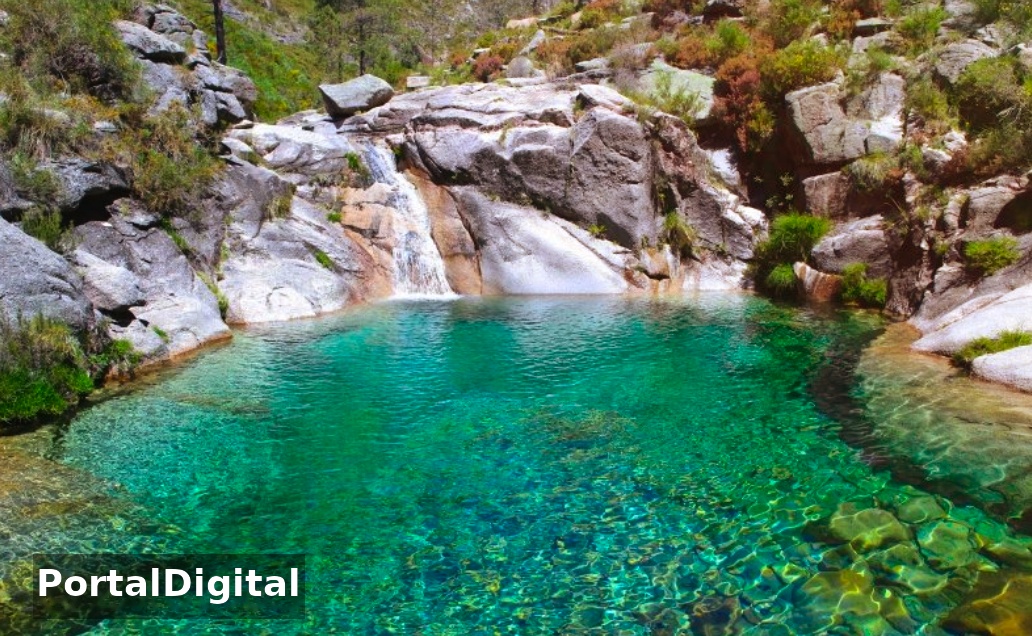
Senhora da Cabeça Park is a picnic park where nature is a constant companion for picnics.
A green space that has a restaurant, children's playground, a bar, a nautical center, a pier and which appeals to pure moments of rest and entertainment.
A place that has one of the best river tracks in the country and for those who enjoy water sports, they can practice activities such as rowing, canoeing and visitors can also take a walk along the eco-track along the river.
The proximity to the river means there are 2 marinas, one for recreational boats and the other for traditional boats offering water sports: rowing, canoeing and sport fishing.
In the shade of a large oak grove we have barbecues, stone tables and benches, ample parking, several beaches and just a few meters from the marina, the Nautical Club building where various fishing competitions take place or bathing in the river as it has a large green area where you can rest and sunbathe.
The sportsmen's ecological trail passes through this point towards São Pedro da Torre at a distance of 6.4 kilometers and continues to Veiga da Mira, a pleasant walk along the much-loved river that can be done on foot or by bicycle.
The Chapel of Senhora da Cabeça has medieval Romanesque style architecture with low, thick walls, small windows, a dimly lit interior and a Latin stone cross at the top.
The chapel is in perfect condition and it is worth noting that every year during Holy Week they always celebrate a pilgrimage in honor of the Virgin, with many locals and visitors taking part.
In the middle of the park and at the top of a small hill is the Sanctuary of Nossa Senhora da Cabeça and up some stairs painted red that resembles a carpet to welcome us.
A small chapel with a simple plan, very well preserved, here a large pilgrimage takes place at Easter with a large influx of people from both sides of the river. Spanish and Portuguese people join together in one of the oldest traditions in Valença, which is the Lanço da Cruz.
An ancestral tradition of blessing the waters with a river procession to the rhythm of bagpipes, drums and bugles in which pilgrims from the riverside towns of Torreón (Tomiño) in the Spanish part and Cristelo-Covo in the Portuguese part in their boats cross the river Minho each with their crosses at sunset every Easter Monday.
A river procession is made up of the parish priests of Sobrosa and Cristelo-Covo in a boat that crosses the River Minho with the Easter cross to give it to parishioners on both banks to kiss it and celebrate mass.
Fishermen cast their nets into the water and the fish they often collect are donated to the parish priests and on both banks the pilgrimage is celebrated with music in style.
A popular tradition of the so-called "Minho raia" (name given to the villages located in both countries on the banks of the river, as the Minho serves as a natural border) bringing together more and more people every year.
Senhora da Cabeça Park is a picnic park where nature is a constant companion for picnics.
A green space that has a restaurant, children's playground, a bar, a nautical center, a pier and which appeals to pure moments of rest and entertainment.
A place that has one of the best river tracks in the country and for those who enjoy water sports, they can practice activities such as rowing, canoeing and visitors can also take a walk along the eco-track along the river.
The proximity to the river means there are 2 marinas, one for recreational boats and the other for traditional boats offering water sports: rowing, canoeing and sport fishing.
In the shade of a large oak grove we have barbecues, stone tables and benches, ample parking, several beaches and just a few meters from the marina, the Nautical Club building where various fishing competitions take place or bathing in the river as it has a large green area where you can rest and sunbathe.
The sportsmen's ecological trail passes through this point towards São Pedro da Torre at a distance of 6.4 kilometers and continues to Veiga da Mira, a pleasant walk along the much-loved river that can be done on foot or by bicycle.