
It is located on Rua Dom Fuas Roupinho, parish and municipality of Nazaré, central region of Portugal
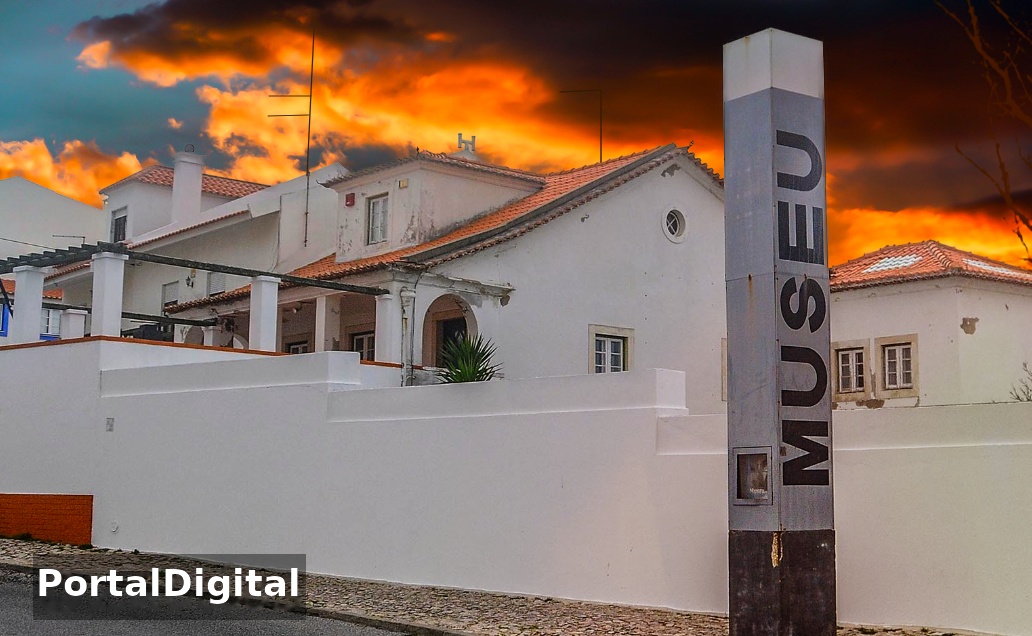
The Dr. Joaquim Manso Museum located on the Sítio aims to represent the historical-cultural identity of the Nazaré region, focusing on the culture of the sea.
The building was opened to the public in 1976 and is housed in the former holiday home of Dr. Joaquim Manso, writer and journalist who founded “Diário de Lisboa” and donated to the State by the Nazarene benefactor Amadeu Gaudêncio (1968).
Nearby, the majestic Promontory overlooking the sea and the monumental religious complex of the Ermida da Memória and Santuário de Nossa Senhora da Nazaré.
The ancient and historical testimonies of the human presence on this coast: the history of the town, the cult of “Our Lady of Nazaré”, boats and fishing gear, work and celebrations, traditional costumes are themes that make up the exhibition route focusing on the identity of the region and its intimate relationship with the sea.
Álvaro Laborinho's painting and photography document moments of daily life in this fishing village.
The exhibition path begins with material remains from prehistoric times (Paleolithic, Neolithic, Bronze and Iron Ages), the Roman Period and the Paleo-Christian period.
This is illustrated in particular by architectural elements from the Church of S. Gião (attributed to the 7th century), a sculpture of S. Sebastian in limestone from the end of the 19th century. XV.
In primitive Pederneira there are references to it as a medieval town that, in addition to having received a Charter from D. Manuel I in 1514, was also an important port and naval dockyard at the time of the Discoveries.
At the Site in Nazaré, the iconography of the Miracle of Our Lady of Nazaré is evident, which according to legend saved the knight D. Fuas Roupinho from falling into the sea when he was chasing a deer on a foggy day.
The Museum presents the theme of maritime ethnography, highlighting a set of miniatures of traditional Nazaré boats, paintings and sculptures about the town and its people, which so many artists attracted, including photographs by Álvaro Laborinho (1879-1970) from the first half of the 20th century.
In this space we talk about the traditional costume of Nazaré in terms of work, celebration and mourning, with particular emphasis on the fabric patterns, decorative richness and the use of various skirts by women.
In the garden, paraphernalia linked to the sea and traditional boats from Nazaré are distributed.
Small museum center of traditional fishing vessels, life-size rescue boats that used to operate in Praia da Nazaré.
The exhibition of old boats on the sand of Nazaré beach features “Sol da Vida”, a local fishing boat that joins those of “N. S. dos Aflitos”, “Perdido”, “Vagos”, “Ilda”, “Mimosa” and “Três Irmãos Leais”.
Over the course of a few decades, this boat practiced various forms of fishing in the sea of Nazaré using hooks, trammels, seine nets and buckets for which it was duly designed.
The boat “Sol da Vida” was built by the master Fernando de Carvalho Oliveira (1981), and was donated by the family of the former owner “José Manuel Limpinho Salsinha” to the City Council, becoming a living testimony to the extraordinary richness of naval art.
The building was opened to the public in 1976 and is housed in the former holiday home of Dr. Joaquim Manso, writer and journalist who founded “Diário de Lisboa” and donated to the State by the Nazarene benefactor Amadeu Gaudêncio (1968).
Nearby, the majestic Promontory overlooking the sea and the monumental religious complex of the Ermida da Memória and Santuário de Nossa Senhora da Nazaré.
The ancient and historical testimonies of the human presence on this coast: the history of the town, the cult of “Our Lady of Nazaré”, boats and fishing gear, work and celebrations, traditional costumes are themes that make up the exhibition route focusing on the identity of the region and its intimate relationship with the sea.
Álvaro Laborinho's painting and photography document moments of daily life in this fishing village.
The exhibition path begins with material remains from prehistoric times (Paleolithic, Neolithic, Bronze and Iron Ages), the Roman Period and the Paleo-Christian period.
This is illustrated in particular by architectural elements from the Church of S. Gião (attributed to the 7th century), a sculpture of S. Sebastian in limestone from the end of the 19th century. XV.
In primitive Pederneira there are references to it as a medieval town that, in addition to having received a Charter from D. Manuel I in 1514, was also an important port and naval dockyard at the time of the Discoveries.
At the Site in Nazaré, the iconography of the Miracle of Our Lady of Nazaré is evident, which according to legend saved the knight D. Fuas Roupinho from falling into the sea when he was chasing a deer on a foggy day.
The Museum presents the theme of maritime ethnography, highlighting a set of miniatures of traditional Nazaré boats, paintings and sculptures about the town and its people, which so many artists attracted, including photographs by Álvaro Laborinho (1879-1970) from the first half of the 20th century.
In this space we talk about the traditional costume of Nazaré in terms of work, celebration and mourning, with particular emphasis on the fabric patterns, decorative richness and the use of various skirts by women.
In the garden, paraphernalia linked to the sea and traditional boats from Nazaré are distributed.
Small museum center of traditional fishing vessels, life-size rescue boats that used to operate in Praia da Nazaré.
The exhibition of old boats on the sand of Nazaré beach features “Sol da Vida”, a local fishing boat that joins those of “N. S. dos Aflitos”, “Perdido”, “Vagos”, “Ilda”, “Mimosa” and “Três Irmãos Leais”.
Over the course of a few decades, this boat practiced various forms of fishing in the sea of Nazaré using hooks, trammels, seine nets and buckets for which it was duly designed.
The boat “Sol da Vida” was built by the master Fernando de Carvalho Oliveira (1981), and was donated by the family of the former owner “José Manuel Limpinho Salsinha” to the City Council, becoming a living testimony to the extraordinary richness of naval art.