
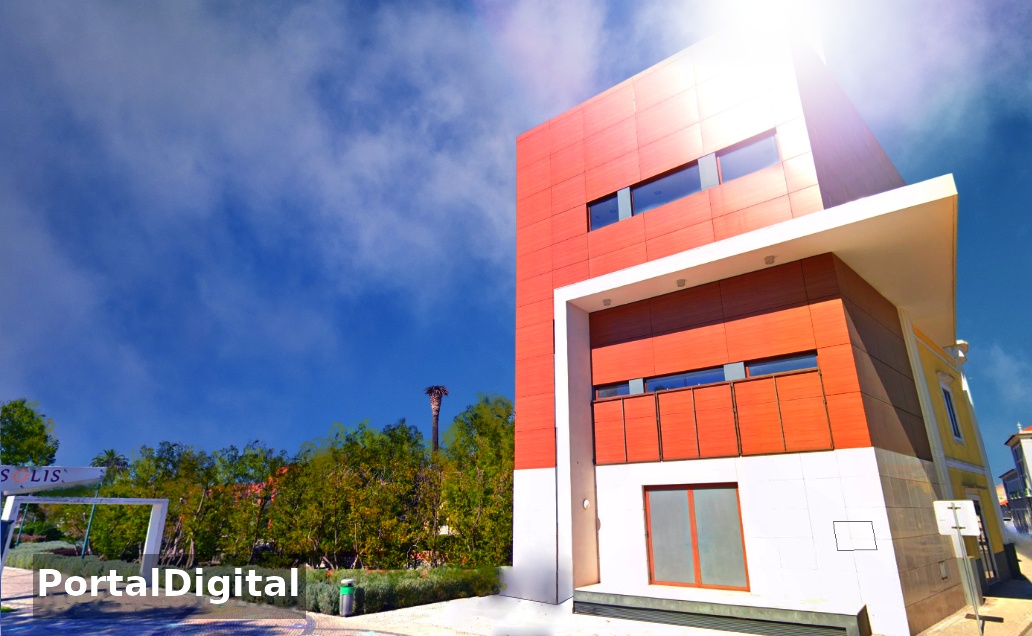
It is located in Praça Guilherme Stephens, city Marinha Grande, in the district of Leiria, in the province of Estremadura, part of the Intermunicipal Community of the Region of Leiria, in the region of Central Portugal
The Visitable Collection of the Future Museum of the Mold Industry was inaugurated on December 13, 2013, in the Resinagem Building, located in Praça Guilherme Stephens, in Marinha Grande in the presence of around two hundred people, including many entrepreneurs in the sector.
At the inauguration ceremony, it was mentioned that that day marked a tribute to the mold industry and to all those who over the years contributed to its establishment, development and evolution.
The choice of the Resinagem Building is based on the centrality of the space and its integration into a set of cultural facilities and other objects of profound renovations that enhance our Traditional Center.
The “Sculpt the Steel” Collection was created on the initiative of the Marinha Grande City Council and the National Association of the Mold Industry and portrays 70 years of mold history.
The collection on display seeks to frame and synthesize the evolution of the Mold Industry from its genesis to the present day and pay homage to all those who worked in it and work today, emphasizing the past and making room for the future.
The National Association of the Mold Industry and the Municipality of Marinha Grande joined forces to create in Marinha Grande, more specifically, in its historic center, an exhibition space dedicated to the History of our Industry, which functions as the embryo of a future “Museum of the Mold Industry”.
The project aims to contribute to the collective memory of our Industry and recovery of heritage that is part of the History of our Sector.
In 21013, CEFAMOL - National Association of the Mold Industry began a process of inventorying and identifying elements such as documents, equipment, tools, drawings, photographs, models, parts, products that allow new generations to learn about the extraordinary development path of the Portuguese Mold Industry over the last 70 years.
The collaboration of companies and individuals who made themselves available to participate in this initiative made it possible to identify assets with historical relevance.
The evolution of equipment, tools, the type of molds, factories and also a little of what will be the future of the Mold Industry, providing inspiration for younger people to choose the Mold Industry as a profession of the future.
At the inauguration ceremony, it was mentioned that that day marked a tribute to the mold industry and to all those who over the years contributed to its establishment, development and evolution.
The choice of the Resinagem Building is based on the centrality of the space and its integration into a set of cultural facilities and other objects of profound renovations that enhance our Traditional Center.
The “Sculpt the Steel” Collection was created on the initiative of the Marinha Grande City Council and the National Association of the Mold Industry and portrays 70 years of mold history.
The collection on display seeks to frame and synthesize the evolution of the Mold Industry from its genesis to the present day and pay homage to all those who worked in it and work today, emphasizing the past and making room for the future.
The National Association of the Mold Industry and the Municipality of Marinha Grande joined forces to create in Marinha Grande, more specifically, in its historic center, an exhibition space dedicated to the History of our Industry, which functions as the embryo of a future “Museum of the Mold Industry”.
The project aims to contribute to the collective memory of our Industry and recovery of heritage that is part of the History of our Sector.
In 21013, CEFAMOL - National Association of the Mold Industry began a process of inventorying and identifying elements such as documents, equipment, tools, drawings, photographs, models, parts, products that allow new generations to learn about the extraordinary development path of the Portuguese Mold Industry over the last 70 years.
The collaboration of companies and individuals who made themselves available to participate in this initiative made it possible to identify assets with historical relevance.
The evolution of equipment, tools, the type of molds, factories and also a little of what will be the future of the Mold Industry, providing inspiration for younger people to choose the Mold Industry as a profession of the future.