
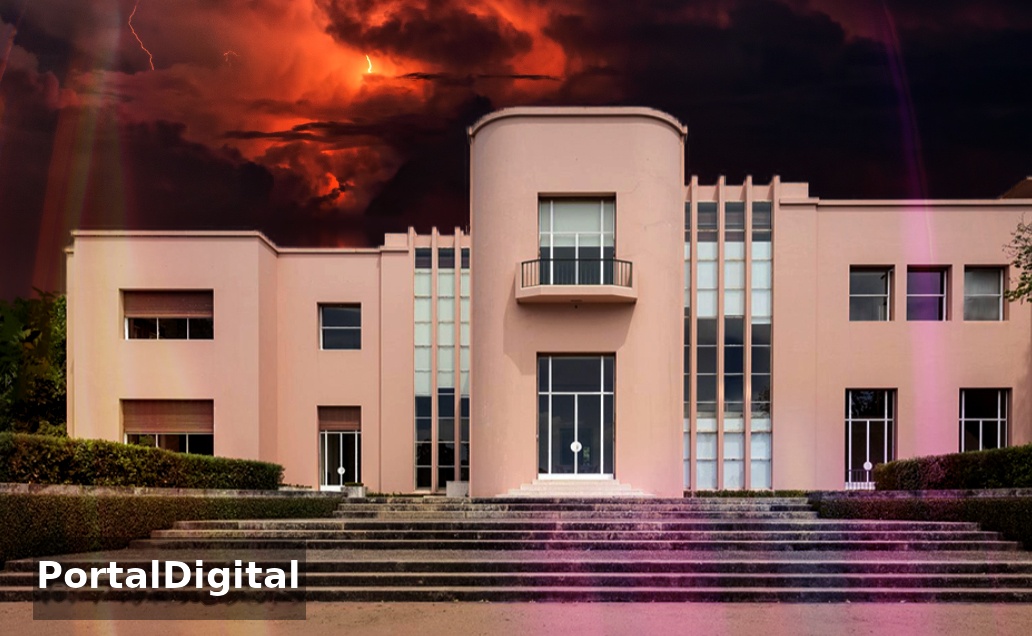
It is located on Rua Dom João de Castro, city and municipality of Porto, North of Portugal.
Integrated into the Serralves Foundation, this museum was designed by architect Siza Vieira, at the beginning of 1991, it is the first of its kind in Portugal and aims to move the public towards Contemporary Art and the issues of today's society.
The project was inaugurated in 1999, harmoniously integrated into the urban surroundings and the pre-existing spaces of the gardens, the Park and the Casa de Serralves, it consists of a main body from which two exhibition wings depart towards the South.
The building has a particular plan, the exhibition area was developed in a "U" shape, in order to make the garden enter the museum and minimize its environmental impact.
A large building that is a residential area of two-story houses, complete with a high-quality garden.
The access path to the Museum next to the entrance gate begins the covered path that leads to the Museum, defining the transition between the exterior and interior in which it is the architecture itself that guides the visitor.
Here three moments stand out: the space next to the entrance gate, the space up to the ticket office which reveals a side opening to the park, the ticket office located at the narrowing of the path, and finally the route from the ticket office to the entrance which reveals a progressive opening towards the magnolia courtyard. (This articulates the auditorium on the left and the museum in front).
The Atrium functions as a central location in the Museum, redistributing routes and allowing access. At Hall level, there is access to the information desk, cloakroom, bookstore and exhibition room.
Going up to the upper level, you can access the Educational Service Room, Multipurpose Room and the Restaurant/Cafeteria where there is a terrace overlooking the Park.
On the lower level going down you will find the library, the bar and the auditorium, observing a sequence of doors and windows that establishes a dynamic relationship between the various spaces and allows a clear understanding of the organization of the building articulated along two main axes.
On the upper level, the window provides a surprising view of the Birch tree outside.
The basic concept of the Serralves Museum project is the succession of rooms, a building where each room introduces its own difference in architectural terms.
The room that connects to the left wing of the Museum is characterized by symmetry reinforced by the existence of a window that completes the sequence of passages that define the longitudinal axis perceived in the Museum Atrium. (This window is sometimes covered due to assembly needs).
In the room there are two levels of exhibition space connected by a ramp that frees up the view to what is on display.
In the rooms on the right wing of the Museum, the lighting system commonly known as an "inverted table" stands out, and look at the ceiling and see how this system plays a crucial role in defining the exhibition spaces, offering soft, controllable light.
In the following rooms, the windows frame the landscape, bringing it into the interior of the Museum, nature silently participates in the architectural space and in the exhibition route, notice how the "Eye Window” projects to the outside, framing an old tree from the Park.
On the right wing of the Museum - SOUTH Extremity, notice the point of confluence between the previous and following rooms, the design of this passage invites the visitor to circulate without the need for additional information, the path itself suggests movement, making the route fluid.
The effect is achieved through a rotation of the volume corresponding to the rooms in relation to the main axis defined in front of a window that admirably frames a magnificent view of the Forest. Also note the window at the beginning of the corridor parallel to these rooms: from it you can see an old chestnut tree from Serralves Park.
The first room in the left wing of the Museum stands out for its skylight and its proportions. The characteristics refer to the next room, which is characterized by the height of its ceiling and its wooden floor.
The connection between the two exhibition floors is made by a staircase and initially causes (a feeling of tightness and uncomfortable narrowing), then a window opens in front of it, providing a feeling of relief, openness and progressive enlargement of the space.
The exhibition room and two abstract paintings note the large glazed windows, combining the south orientation of the room with the integration of large windows, a white marble floor, the architect manages to create a sensation of spaciousness and great luminosity.
The sensation is even more intense as you are led through a space of shadow and narrowness: the staircase is admirable as the architect overcomes the fact that this room has a lower ceiling height than the previous rooms.
The most surprising detail of this wooden room is the fact that it is made up of three types of ceiling heights that grow as the observation progresses, starting with a lower and more welcoming ceiling height that gradually follows the gaze, the contrast is made by the fact that the room has a wooden floor.
The Library is located on floors one and two of the Museum building, with its immense window overlooking the Park resembling a moving "landscape painting" and in which even those strolling outside are the protagonists of the Library's interior balcony, which overlooks the lower floor.
Using the window as a reference, you can easily discover the relationship between the two lateral volumes: although they have equal shapes, they are in a symmetrically inverted position.
Opened to the public in 2001, the Library provides information on contemporary art and the landscape, from the 1960s to the present day.
Its general reference document fund consists of exhibition catalogues, reference works, essays and periodical publications, in the fields of fine arts and performing arts.
Other collections can be consulted by all types of audiences, from students to researchers, from creators to art critics.
The Library's collection clearly reflects the themes of the artists represented in the Museum's programming and Collection.
Through its Foyer and Bar, the space dedicated to the Auditorium establishes a natural continuity with the Library.
However, it is possible to access this space from outside the Museum (entrance floor) through a small courtyard surrounded by a covered gallery from which you can access the Foyer whilst at the same time looking out over Serralves Park.
The Auditorium was designed to perform multiple functions, revealing a transversal activity.
Its programming is normally planned in thematic cycles and articulated with some exhibitions presented at the Museum or activities in the Park: electronic, experimental music, jazz, contemporary dance and author cinema.
This space also features round tables on current topics such as: conferences, colloquiums and contemporary study cycles that value programming and diversify audiences.
The project was inaugurated in 1999, harmoniously integrated into the urban surroundings and the pre-existing spaces of the gardens, the Park and the Casa de Serralves, it consists of a main body from which two exhibition wings depart towards the South.
The building has a particular plan, the exhibition area was developed in a "U" shape, in order to make the garden enter the museum and minimize its environmental impact.
A large building that is a residential area of two-story houses, complete with a high-quality garden.
The access path to the Museum next to the entrance gate begins the covered path that leads to the Museum, defining the transition between the exterior and interior in which it is the architecture itself that guides the visitor.
Here three moments stand out: the space next to the entrance gate, the space up to the ticket office which reveals a side opening to the park, the ticket office located at the narrowing of the path, and finally the route from the ticket office to the entrance which reveals a progressive opening towards the magnolia courtyard. (This articulates the auditorium on the left and the museum in front).
The Atrium functions as a central location in the Museum, redistributing routes and allowing access. At Hall level, there is access to the information desk, cloakroom, bookstore and exhibition room.
Going up to the upper level, you can access the Educational Service Room, Multipurpose Room and the Restaurant/Cafeteria where there is a terrace overlooking the Park.
On the lower level going down you will find the library, the bar and the auditorium, observing a sequence of doors and windows that establishes a dynamic relationship between the various spaces and allows a clear understanding of the organization of the building articulated along two main axes.
On the upper level, the window provides a surprising view of the Birch tree outside.
The basic concept of the Serralves Museum project is the succession of rooms, a building where each room introduces its own difference in architectural terms.
The room that connects to the left wing of the Museum is characterized by symmetry reinforced by the existence of a window that completes the sequence of passages that define the longitudinal axis perceived in the Museum Atrium. (This window is sometimes covered due to assembly needs).
In the room there are two levels of exhibition space connected by a ramp that frees up the view to what is on display.
In the rooms on the right wing of the Museum, the lighting system commonly known as an "inverted table" stands out, and look at the ceiling and see how this system plays a crucial role in defining the exhibition spaces, offering soft, controllable light.
In the following rooms, the windows frame the landscape, bringing it into the interior of the Museum, nature silently participates in the architectural space and in the exhibition route, notice how the "Eye Window” projects to the outside, framing an old tree from the Park.
On the right wing of the Museum - SOUTH Extremity, notice the point of confluence between the previous and following rooms, the design of this passage invites the visitor to circulate without the need for additional information, the path itself suggests movement, making the route fluid.
The effect is achieved through a rotation of the volume corresponding to the rooms in relation to the main axis defined in front of a window that admirably frames a magnificent view of the Forest. Also note the window at the beginning of the corridor parallel to these rooms: from it you can see an old chestnut tree from Serralves Park.
The first room in the left wing of the Museum stands out for its skylight and its proportions. The characteristics refer to the next room, which is characterized by the height of its ceiling and its wooden floor.
The connection between the two exhibition floors is made by a staircase and initially causes (a feeling of tightness and uncomfortable narrowing), then a window opens in front of it, providing a feeling of relief, openness and progressive enlargement of the space.
The exhibition room and two abstract paintings note the large glazed windows, combining the south orientation of the room with the integration of large windows, a white marble floor, the architect manages to create a sensation of spaciousness and great luminosity.
The sensation is even more intense as you are led through a space of shadow and narrowness: the staircase is admirable as the architect overcomes the fact that this room has a lower ceiling height than the previous rooms.
The most surprising detail of this wooden room is the fact that it is made up of three types of ceiling heights that grow as the observation progresses, starting with a lower and more welcoming ceiling height that gradually follows the gaze, the contrast is made by the fact that the room has a wooden floor.
The Library is located on floors one and two of the Museum building, with its immense window overlooking the Park resembling a moving "landscape painting" and in which even those strolling outside are the protagonists of the Library's interior balcony, which overlooks the lower floor.
Using the window as a reference, you can easily discover the relationship between the two lateral volumes: although they have equal shapes, they are in a symmetrically inverted position.
Opened to the public in 2001, the Library provides information on contemporary art and the landscape, from the 1960s to the present day.
Its general reference document fund consists of exhibition catalogues, reference works, essays and periodical publications, in the fields of fine arts and performing arts.
Other collections can be consulted by all types of audiences, from students to researchers, from creators to art critics.
The Library's collection clearly reflects the themes of the artists represented in the Museum's programming and Collection.
Through its Foyer and Bar, the space dedicated to the Auditorium establishes a natural continuity with the Library.
However, it is possible to access this space from outside the Museum (entrance floor) through a small courtyard surrounded by a covered gallery from which you can access the Foyer whilst at the same time looking out over Serralves Park.
The Auditorium was designed to perform multiple functions, revealing a transversal activity.
Its programming is normally planned in thematic cycles and articulated with some exhibitions presented at the Museum or activities in the Park: electronic, experimental music, jazz, contemporary dance and author cinema.
This space also features round tables on current topics such as: conferences, colloquiums and contemporary study cycles that value programming and diversify audiences.