
Marinha Grande is a municipality in the district of Leiria, Central Portugal, with a population of 30,000 inhabitants
Marinha Grande is located in the center of the Leiria pine forest that is over 700 years old, covering 100 square kilometers, close to excellent beaches: Praia da Vieira, Nazaré and São Pedro de Moel.
The Leiria Pinhal forest was planted for the first time in the 13th century by D. Afonso III, expanded by D. Dinis as a barrier against sand and as a supply of wood for the maritime industry.
The glass industry in Marinha Grande was born in the middle of the 18th century, the Real Fábrica de Vidros (Real Fábrica de Vidros) was acquired by the English businessman William Stephens who developed the factory and business under the protection of the Marquis of Pombal.
The former palatial home of William Stephens now houses the Marinha Grande Glass Museum, which houses glassware from the 17th to the 20th century.
In 1826, the factory was handed over to the state and became one of the main producers of fine crystals traditionally manufactured in the country.
Marinha Grande is the largest glass manufacturer in Portugal, and is also the European capital of the molding industry with 250 companies operating, giving it the nickname “Crystal City'''''''''''''''''''''''''''''''''.
The pine forest is an aromatic forest and has marked paths for walkers, it has several campsites, a cycle path from Marinha Grande to São Pedro de Moel on the coast, there are tours of glassworks and glass museums.
The main attractions of Marinha Grande are: Glass Museum, Parque dos Mártires do Colonialismo (Monument to the Heroes of Overseas/Martyrs of Colonialism), Joaquim Correia Museum and Orfeu Statue (Largo 5 de Outubro, Marinha Grande), Monument in Homage to Guilherme Stephens, Igreja Matriz Nossa Senhora do Rosário (Largo 5 de Outubro, Marinha Grande), Church of Picassinos (Rua da Juventude, Marinha Grande), Church of São Pedro de Moel (R. Helena Lopes Vieira, Marinha Grande), Capela Garcia (Marinha Grande), Municipal Market of Marinha Grande (R. Ferreira de Castro, Marinha Grande), Bust of the poet Afonso Lopes Vieira (Praça Afonso Lopes Vieira, Marinha Grande), Guilherme Stephens Bust (Praça Guilherme Stephens, Marinha Grande), Sculptural Ensemble in Memory of D. Dinis and D. Isabel (Av. da Liberdade, Marinha Grande), Cruzeiro da Independência (Rua Marquês de Pombal, Marinha Grande), Statue "O Vidraceiro" (Amieirinha roundabout, next to the Municipal Stadium of Marinha Grande), Monuments to the 18th of January 1934 (Glassmaker's Rotunda, Marinha Grande), Monuments to the Glassmaker (industrial area of Vieira de Leiria, remembering the glass industry that, for decades, employed hundreds of families), Memorial to Salsinha Shipwrecks (Praia da Vieira pays homage to the 13 men who lost their lives in the sinking of the boat “Salsinha”, which occurred on November 15, 1907), Agromuseu Municipal Dona Julinha, Casa Museu Afonso Lopes Vieira, Edifício da Resinagem - Núcleo de Arte Contemporânea, Visitable Collection of the Mold Industry, House-Museum 18 January 1934, Santos Barosa Museum, Municipal Library (next to the Glass Museum), Casa Alpendrada (Largo 5 de Outubro, Marinha Grande), Casa Cultura Teatro Stephens (Praça Guilherme Stephens, Marinha Grande) and Galeria Municipal da Marinha Grande (located in the Arcos building opposite the Glass Museum, part of the heritage complex of the Fábrica Escola Irmãos Stephens).
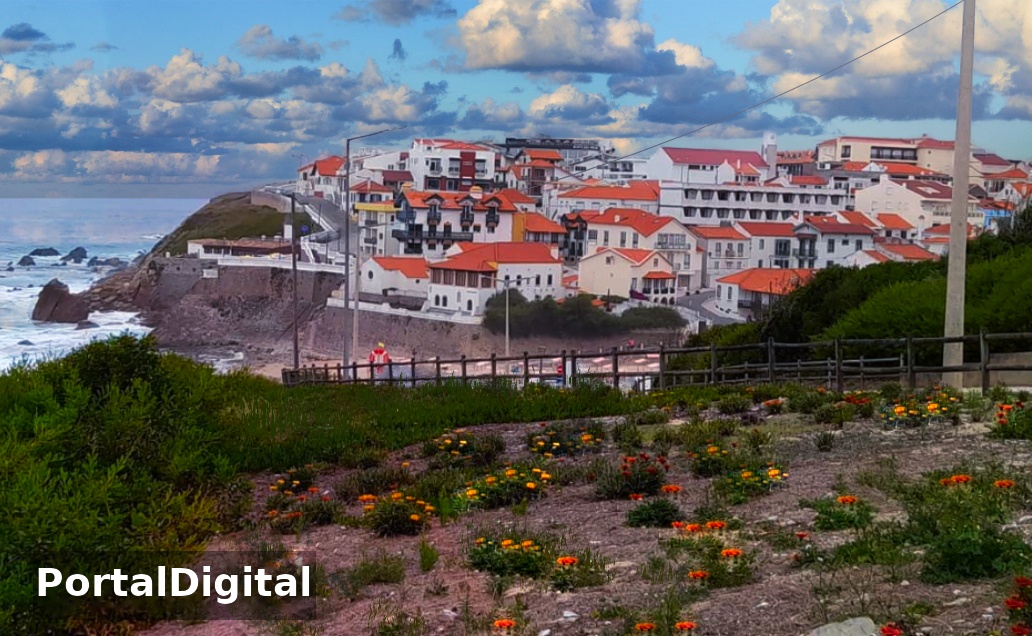
In Marinha Grande, Praia das Pedras Negras, Praia Velha, Praia de São Pedro de Moel and Praia da Vieira stand out.
The Leiria Pinhal forest was planted for the first time in the 13th century by D. Afonso III, expanded by D. Dinis as a barrier against sand and as a supply of wood for the maritime industry.
The glass industry in Marinha Grande was born in the middle of the 18th century, the Real Fábrica de Vidros (Real Fábrica de Vidros) was acquired by the English businessman William Stephens who developed the factory and business under the protection of the Marquis of Pombal.
The former palatial home of William Stephens now houses the Marinha Grande Glass Museum, which houses glassware from the 17th to the 20th century.
In 1826, the factory was handed over to the state and became one of the main producers of fine crystals traditionally manufactured in the country.
Marinha Grande is the largest glass manufacturer in Portugal, and is also the European capital of the molding industry with 250 companies operating, giving it the nickname “Crystal City'''''''''''''''''''''''''''''''''.
The pine forest is an aromatic forest and has marked paths for walkers, it has several campsites, a cycle path from Marinha Grande to São Pedro de Moel on the coast, there are tours of glassworks and glass museums.
The main attractions of Marinha Grande are: Glass Museum, Parque dos Mártires do Colonialismo (Monument to the Heroes of Overseas/Martyrs of Colonialism), Joaquim Correia Museum and Orfeu Statue (Largo 5 de Outubro, Marinha Grande), Monument in Homage to Guilherme Stephens, Igreja Matriz Nossa Senhora do Rosário (Largo 5 de Outubro, Marinha Grande), Church of Picassinos (Rua da Juventude, Marinha Grande), Church of São Pedro de Moel (R. Helena Lopes Vieira, Marinha Grande), Capela Garcia (Marinha Grande), Municipal Market of Marinha Grande (R. Ferreira de Castro, Marinha Grande), Bust of the poet Afonso Lopes Vieira (Praça Afonso Lopes Vieira, Marinha Grande), Guilherme Stephens Bust (Praça Guilherme Stephens, Marinha Grande), Sculptural Ensemble in Memory of D. Dinis and D. Isabel (Av. da Liberdade, Marinha Grande), Cruzeiro da Independência (Rua Marquês de Pombal, Marinha Grande), Statue "O Vidraceiro" (Amieirinha roundabout, next to the Municipal Stadium of Marinha Grande), Monuments to the 18th of January 1934 (Glassmaker's Rotunda, Marinha Grande), Monuments to the Glassmaker (industrial area of Vieira de Leiria, remembering the glass industry that, for decades, employed hundreds of families), Memorial to Salsinha Shipwrecks (Praia da Vieira pays homage to the 13 men who lost their lives in the sinking of the boat “Salsinha”, which occurred on November 15, 1907), Agromuseu Municipal Dona Julinha, Casa Museu Afonso Lopes Vieira, Edifício da Resinagem - Núcleo de Arte Contemporânea, Visitable Collection of the Mold Industry, House-Museum 18 January 1934, Santos Barosa Museum, Municipal Library (next to the Glass Museum), Casa Alpendrada (Largo 5 de Outubro, Marinha Grande), Casa Cultura Teatro Stephens (Praça Guilherme Stephens, Marinha Grande) and Galeria Municipal da Marinha Grande (located in the Arcos building opposite the Glass Museum, part of the heritage complex of the Fábrica Escola Irmãos Stephens).
In Marinha Grande, Praia das Pedras Negras, Praia Velha, Praia de São Pedro de Moel and Praia da Vieira stand out.