

The City of Porto is the second city and fourth most populous municipality in Portugal, located in the northwest of the country and capital of the Porto Metropolitan Area, Porto District, Northern Portugal.
A city known worldwide for its wine, its historic center, gastronomy, main football teams (Football Clube do Porto, Boavista Futebol Clube, Sport Comércio, Salgueiros), the University of Porto (placed among the 200 best universities in the world and among the 100 best universities in Europe) and the quality of its hospital centers.
A permanent crossing between the two banks of the Douro led to the construction of the D. Luís I Bridge (built in 1886, the oldest in the city that remains in activity), the D. Maria Pia Bridge (1876-1877 by Gustave Eiffel's company), the Arrábida Bridge which constituted the final section of the A1 motorway that connects Lisbon to Porto.
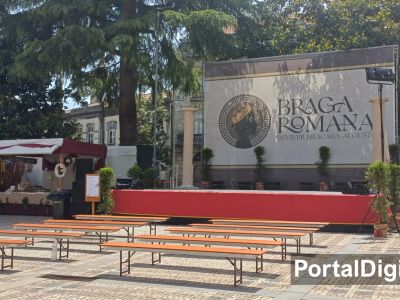
During the 2nd century the region was taken over by the Romans and this city was founded in 16 BC. named Bracara Augusta in honor of the Roman emperor Augustus.
The City of Porto is the headquarters of the Porto Metropolitan Area, which groups 17 municipalities with 1,757,413 inhabitants in an area of 1,900 km², with a population density close to 1,098 inhabitants/km², which makes the city the 13th most populous urban area in the European Union and the second most populous area in Portugal.
Porto, the neighboring municipalities of Vila Nova de Gaia and Matosinho form the Atlantic Front of Porto, which constitutes the population nucleus of the Metropolitan Area located on the coast bounded to the west by the Atlantic Ocean with the structural influence of the Douro River estuary that connects Gaia to Porto.
The region contains important infrastructure: the Port of Leixões, which represents 25% of Portuguese international trade and moves around 14 million tons of goods per year, the Porto metro, and Francisco Sá Carneiro Airport, which is the best airport in Portugal in terms of space in the terminal.
The development of Porto has always been closely linked with the south bank of the Douro, Vila Nova de Gaia, until 1834 an integral part of its territory, where the cellars were established for aging the fine wines of the Alto Douro.
In the mid-19th century, the region's wealthy industrial class created the powerful Portuense Industrial Association, today the Portuguese Business Association.
In Porto, several roads and railway lines intersect, which also contributed to making the city the main commercial center of the entire northern region.
Industrial activity continues to be of great importance, such as textile factories, footwear factories, metalworking factories, ceramics factories, furniture factories, goldsmith factories and artisanal industries.
Tourist attractions include the Clérigos Tower, the Porto Cathedral, the Serralves Foundation, the Historic Center, the Bolhão Market, Foz as a highly touristic area where you can enjoy the beauty of the Atlantic Ocean and take a sea walk.
A permanent crossing between the two banks of the Douro led to the construction of the D. Luís I Bridge (built in 1886, the oldest in the city that remains in activity), the D. Maria Pia Bridge (1876-1877 by Gustave Eiffel's company), the Arrábida Bridge which constituted the final section of the A1 motorway that connects Lisbon to Porto.
During the 2nd century the region was taken over by the Romans and this city was founded in 16 BC. named Bracara Augusta in honor of the Roman emperor Augustus.
The City of Porto is the headquarters of the Porto Metropolitan Area, which groups 17 municipalities with 1,757,413 inhabitants in an area of 1,900 km², with a population density close to 1,098 inhabitants/km², which makes the city the 13th most populous urban area in the European Union and the second most populous area in Portugal.
Porto, the neighboring municipalities of Vila Nova de Gaia and Matosinho form the Atlantic Front of Porto, which constitutes the population nucleus of the Metropolitan Area located on the coast bounded to the west by the Atlantic Ocean with the structural influence of the Douro River estuary that connects Gaia to Porto.
The region contains important infrastructure: the Port of Leixões, which represents 25% of Portuguese international trade and moves around 14 million tons of goods per year, the Porto metro, and Francisco Sá Carneiro Airport, which is the best airport in Portugal in terms of space in the terminal.
The development of Porto has always been closely linked with the south bank of the Douro, Vila Nova de Gaia, until 1834 an integral part of its territory, where the cellars were established for aging the fine wines of the Alto Douro.
In the mid-19th century, the region's wealthy industrial class created the powerful Portuense Industrial Association, today the Portuguese Business Association.
In Porto, several roads and railway lines intersect, which also contributed to making the city the main commercial center of the entire northern region.
Industrial activity continues to be of great importance, such as textile factories, footwear factories, metalworking factories, ceramics factories, furniture factories, goldsmith factories and artisanal industries.
Tourist attractions include the Clérigos Tower, the Porto Cathedral, the Serralves Foundation, the Historic Center, the Bolhão Market, Foz as a highly touristic area where you can enjoy the beauty of the Atlantic Ocean and take a sea walk.