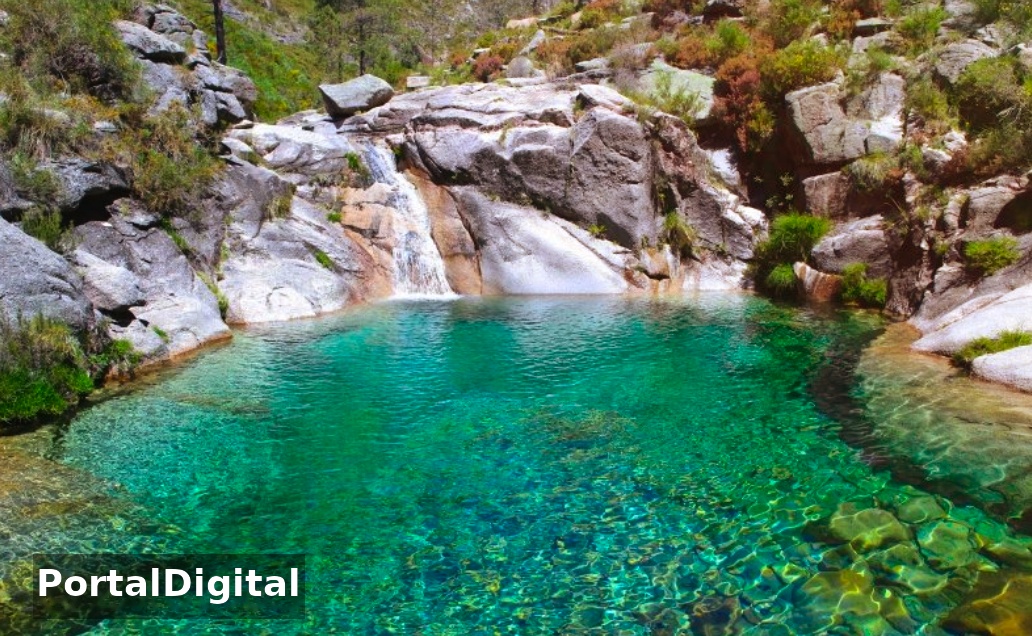


It is located in the Arnado Theme Park, parish of Arcozelo, Vila de Ponte de Lima, district of Viana do Castelo, Northern Portugal
The Territory Interpretation Center is located in the old agricultural outbuildings of Casa do Arnado and is a museum space that invites you to experience the daily lives of the Lima population in its purest ruralism.
The Territorial Interpretation Center, open to the public since March 4, 2017, was created to respond to the inventory of the intangible heritage existing in the municipality of Ponte de Lima.
A region with a strong rural nature and where you can find ancestral practices that are at risk of disappearing in the near future if they are not studied and preserved.
Intangible cultural heritage is understood as practices, instruments, artefacts, cultural spaces that communities, groups and individuals recognize as being part of their cultural heritage.
At the entrance, tourists can learn about ancient agricultural practices, unique traditions and unique testimonies.
In this space, different themes are covered, such as working the land, flax production, wine production, working with animals in agriculture, folklore, festivities, faith and devotion.
In the territory, old-fashioned plowing stands out, the kneading of linen with the tenements and escapes, the kneading of bread in kneaders, the making of a cross over the dough before it rises and the washing of clothes in the river.
Over the course of a year, ancestral traditions and practices that are still part of the daily life of the Ponte-Limense community were collected in video and audio.
The Interpretation Center of the Territory of Ponte de Lima promotes traveling exhibitions such as stripping, harvesting, harvesting, traditional games, manual weaving, embroidery, basket weaving, clog making, traditional bread baking and other events.
At the CIT reception you can see some interviews carried out with people from the municipality who made themselves available to talk about their activities and important episodes in their lives.
Visitors can enjoy a display with several old postcards from the beginning of the 20th century that illustrate the day-to-day practices of our ancestors and six granite figures arranged on the floor that represent the traditional “Vaca das Cordas” that precedes the Corpus Christi holiday.
In the first room you can see the wine production exhibition where you can find a 19th century cellar with a wine press made up of a spindle and a wooden pressure rod and a stone weight used to do the artisanal treading by crushing the grapes with the feet.
In the upper room there is a permanent exhibition alluding to the themes covered, such as flax represented by the pedal loom, farming by the plough, festivals and pilgrimages by the bass drum, faith and devotion by the alminhas, bread by the sieve, animals by the plank yoke that was a harnessing instrument and herding by the croça (a piece of clothing used by shepherds to protect against rain, cold and wind).
The Interpretation Center for the response to the inventory of intangible heritage in the municipality of Ponte de Lima, which, given its wealth, is far from being completed.
When visiting the Territory Interpretation Center, tourists can truly learn about the traditions and daily lives of the people of Lima.
The Territorial Interpretation Center, open to the public since March 4, 2017, was created to respond to the inventory of the intangible heritage existing in the municipality of Ponte de Lima.
A region with a strong rural nature and where you can find ancestral practices that are at risk of disappearing in the near future if they are not studied and preserved.
Intangible cultural heritage is understood as practices, instruments, artefacts, cultural spaces that communities, groups and individuals recognize as being part of their cultural heritage.
At the entrance, tourists can learn about ancient agricultural practices, unique traditions and unique testimonies.
In this space, different themes are covered, such as working the land, flax production, wine production, working with animals in agriculture, folklore, festivities, faith and devotion.
In the territory, old-fashioned plowing stands out, the kneading of linen with the tenements and escapes, the kneading of bread in kneaders, the making of a cross over the dough before it rises and the washing of clothes in the river.
Over the course of a year, ancestral traditions and practices that are still part of the daily life of the Ponte-Limense community were collected in video and audio.
The Interpretation Center of the Territory of Ponte de Lima promotes traveling exhibitions such as stripping, harvesting, harvesting, traditional games, manual weaving, embroidery, basket weaving, clog making, traditional bread baking and other events.
At the CIT reception you can see some interviews carried out with people from the municipality who made themselves available to talk about their activities and important episodes in their lives.
Visitors can enjoy a display with several old postcards from the beginning of the 20th century that illustrate the day-to-day practices of our ancestors and six granite figures arranged on the floor that represent the traditional “Vaca das Cordas” that precedes the Corpus Christi holiday.
In the first room you can see the wine production exhibition where you can find a 19th century cellar with a wine press made up of a spindle and a wooden pressure rod and a stone weight used to do the artisanal treading by crushing the grapes with the feet.
In the upper room there is a permanent exhibition alluding to the themes covered, such as flax represented by the pedal loom, farming by the plough, festivals and pilgrimages by the bass drum, faith and devotion by the alminhas, bread by the sieve, animals by the plank yoke that was a harnessing instrument and herding by the croça (a piece of clothing used by shepherds to protect against rain, cold and wind).
The Interpretation Center for the response to the inventory of intangible heritage in the municipality of Ponte de Lima, which, given its wealth, is far from being completed.
When visiting the Territory Interpretation Center, tourists can truly learn about the traditions and daily lives of the people of Lima.