
Located on Avenida 5 de Outubro, City of Olhão, Algarve, Southern Portugal
On July 6, 1808, a group of fishermen from Olhão embarked on the Caíque Bom Sucesso, which is a fishing boat with two sails and approximately 20 meters long by 5 meters wide, and crossed the Atlantic Ocean to inform King D. João VI, then a refugee in Brazil, that the population of Olhão had managed to expel the French invaders.
The king granted the charter of “Villa da Restauração” to Olhão as a reward for such a brave deed, this feat made the city of Olhão administratively independent from Faro.
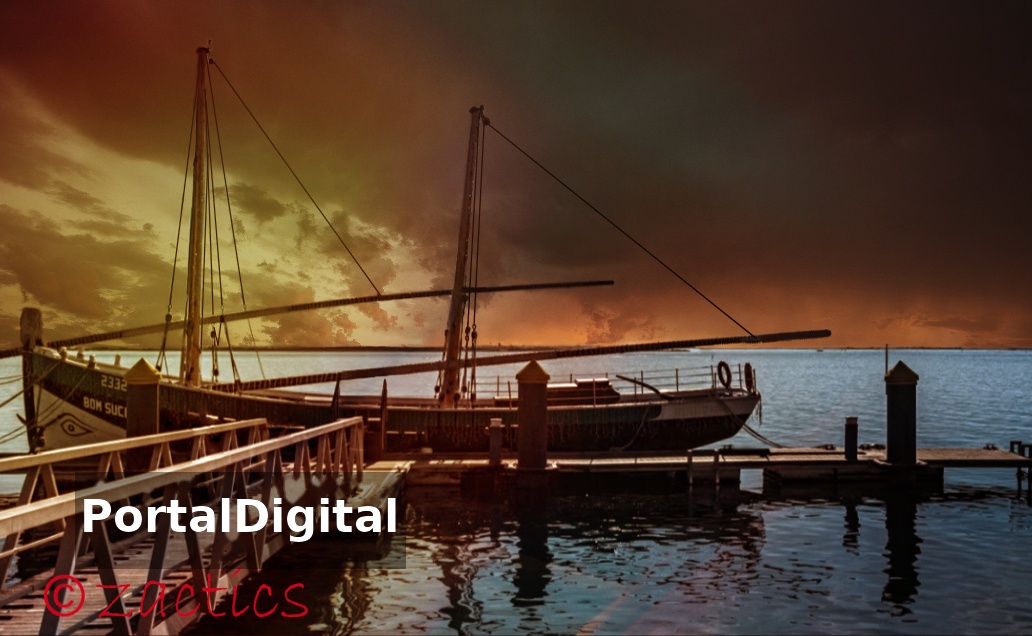
The replica of the Caíque Bom Sucesso is currently anchored in the Olhão marina next to the market.
The City of Olhão is considered the largest fishing port in the Algarve region, occupying a strategically important coastal area inhabited since prehistoric times.
The town became a major fishing center in the 17th century, when a huge fortress protected this stretch of coast and discouraged pirate attacks.
Nowadays, the marina is well organized and serves both commercial fishing boats and pleasure boats.
Olhão continues to be a pleasant city, with cobbled streets, cool gardens, terraces and a church with a simple but elegant stone structure built more than three centuries ago with contributions from local fishermen.
The Caíque Bom Sucesso is a replica of the ship that left Brazil in 1808, to inform King João VI of the popular revolt that led to the expulsion of Napoleon's troops.
The boat is located in the harbor close to local markets, and from April to October visitors can take trips to the Ria Formosa.
The Caíque Bom Sucesso is a fishing and goods transport vessel that made history in Olhão.
The Caíque that we can see today is a replica of the original, and is anchored in the Ria Formosa between the Olhão Markets.
The king granted the charter of “Villa da Restauração” to Olhão as a reward for such a brave deed, this feat made the city of Olhão administratively independent from Faro.
The replica of the Caíque Bom Sucesso is currently anchored in the Olhão marina next to the market.
The City of Olhão is considered the largest fishing port in the Algarve region, occupying a strategically important coastal area inhabited since prehistoric times.
The town became a major fishing center in the 17th century, when a huge fortress protected this stretch of coast and discouraged pirate attacks.
Nowadays, the marina is well organized and serves both commercial fishing boats and pleasure boats.
Olhão continues to be a pleasant city, with cobbled streets, cool gardens, terraces and a church with a simple but elegant stone structure built more than three centuries ago with contributions from local fishermen.
The Caíque Bom Sucesso is a replica of the ship that left Brazil in 1808, to inform King João VI of the popular revolt that led to the expulsion of Napoleon's troops.
The boat is located in the harbor close to local markets, and from April to October visitors can take trips to the Ria Formosa.
The Caíque Bom Sucesso is a fishing and goods transport vessel that made history in Olhão.
The Caíque that we can see today is a replica of the original, and is anchored in the Ria Formosa between the Olhão Markets.