
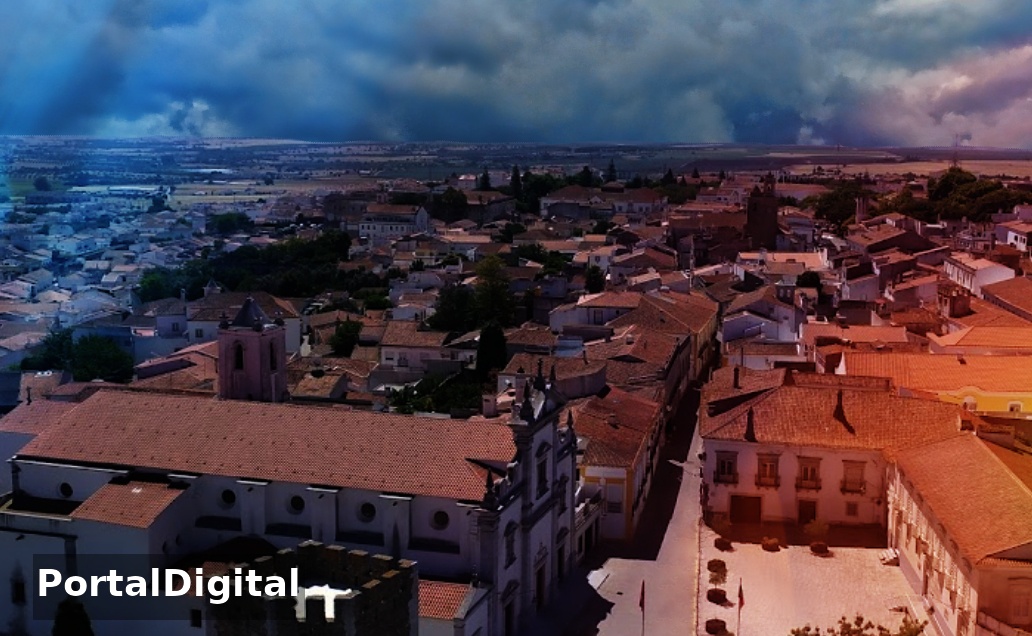
Beja is a Portuguese city belonging to the Alentejo region and sub-region of Baixo Alentejo, capital of the district of Beja and capital of Baixo Alentejo, Portugal
The City of Beja has 24,074 inhabitants in its urban perimeter (2021) and is also the seat of the Diocese of Beja. One of the largest municipalities in Portugal with an area of 1,106.44 km 2 and 33,401 inhabitants subdivided into 12 parishes: Albernoa and Trindade, Baleizão, Beja (Salvador and Santa Maria da Feira), Beja (Santiago Maior and São João Baptista), Beringel, Cabeça Gorda, Nossa Senhora das Neves, Salvada and Quintos, Santa Clara de Louredo, Santa Vitória and Mombeja, São Matias and Trigaches and São Brissos.
The municipality is limited to the north by the municipalities of Cuba and Vidigueira, to the east by Serpa, to the south by Mértola and Castro Verde and to the west by Aljustrel and Ferreira do Alentejo.
The city was founded around 400 years BC by the Celts, specifically by the people of the Celts, a Celtic people who inhabited a large part of the territories of Portugal south of the Tagus River (current Alentejo and Setúbal Peninsula) and also part of Spanish Extremadura, up to the territory of the Cónians (current Algarve and part of the south of the district of Beja).
In the 3rd and 2nd centuries BC there was a process of Romanization of the local populations and the city became part of the Roman civilization, belonging to a very Romanized region.
The first references to this city appear in the 2nd century BC in reports by Polybius and Ptolemy.
In the year 1162, Christians definitively conquered the city and received its charter in 1524 and it was elevated to city status in 1517.
Beja was the birthplace of the notable family of Renaissance pedagogues and humanists such as Diogo de Gouveia (1471 - 1557), professor of Francisco Xavier and advisor to kings D. Manuel I and D. João III of Portugal, to whom he recommended the arrival of the Jesuits.
The Municipality of Beja, with its privileged location for nature observation and enjoyment activities, has enormous potential for biological diversity, making it one of the most representative municipalities with regard to biodiversity in our country.
In the area of the Municipality, the course of the Guadiana River from the confluence of Ribeira de Odearce to the confluence with Ribeira de Terges e Cobres stands out.
The Pisão Dam in Beringel and Trigaches and the Coitos and Diabória Dams near the Beja Air Base and Airport.
The species to observe are the most diverse, from Anatidae to Passeriformes, Waders and Birds of Prey.
Tourist attractions: Beja Castle, Regional Museum of Beja (Museu Rainha Dona Leonor), Church of Nossa Senhora Dos Prazeres/Episcopal Museum of Beja, Sé de Beja/Igreja de São Tiago, Museu Jorge Vieira – Casa das Artes, Church of Santo Amaro, Roman Ruins of Pisões, Main Church of Santa Maria da Feira, Pelourinho de Beja, Carmelo do Sagrado Coração de Jesus, Municipal Theater Pax Julia, Palácio dos Maldonados, Porta de Évora - Roman Arch of Beja, Pelourinho de Beja, Statue of Queen Dona Leonor, Museological Center of Rua do Sembrano, Janela de Mariana Alcoforado, Arco dos Prazeres, Arco das Portas de Avis, Janela de Rótulas, Terreirinho das Peças, Janela Manuelina, Jardim Gago Coutinho and Sacadura Cabral, Convento de Santo António in Beja, Colégio dos Jesuítas de Beja, Monument to the Unknown Political Prisoner, Church of Misericórdia-Beja, Ermida de Santo André, Arcadas da Praça da República- Beja, Bairro da Mouraria - Beja, Excavations of Rua da Moeda, Galeria D. José do Patrocínio Dias, Hospital Grande de Nª Srª da Piedade and Church of Nª Srª da Piedade and Cinco Fluvial Park Kings.
The municipality is limited to the north by the municipalities of Cuba and Vidigueira, to the east by Serpa, to the south by Mértola and Castro Verde and to the west by Aljustrel and Ferreira do Alentejo.
The city was founded around 400 years BC by the Celts, specifically by the people of the Celts, a Celtic people who inhabited a large part of the territories of Portugal south of the Tagus River (current Alentejo and Setúbal Peninsula) and also part of Spanish Extremadura, up to the territory of the Cónians (current Algarve and part of the south of the district of Beja).
In the 3rd and 2nd centuries BC there was a process of Romanization of the local populations and the city became part of the Roman civilization, belonging to a very Romanized region.
The first references to this city appear in the 2nd century BC in reports by Polybius and Ptolemy.
In the year 1162, Christians definitively conquered the city and received its charter in 1524 and it was elevated to city status in 1517.
Beja was the birthplace of the notable family of Renaissance pedagogues and humanists such as Diogo de Gouveia (1471 - 1557), professor of Francisco Xavier and advisor to kings D. Manuel I and D. João III of Portugal, to whom he recommended the arrival of the Jesuits.
The Municipality of Beja, with its privileged location for nature observation and enjoyment activities, has enormous potential for biological diversity, making it one of the most representative municipalities with regard to biodiversity in our country.
In the area of the Municipality, the course of the Guadiana River from the confluence of Ribeira de Odearce to the confluence with Ribeira de Terges e Cobres stands out.
The Pisão Dam in Beringel and Trigaches and the Coitos and Diabória Dams near the Beja Air Base and Airport.
The species to observe are the most diverse, from Anatidae to Passeriformes, Waders and Birds of Prey.
Tourist attractions: Beja Castle, Regional Museum of Beja (Museu Rainha Dona Leonor), Church of Nossa Senhora Dos Prazeres/Episcopal Museum of Beja, Sé de Beja/Igreja de São Tiago, Museu Jorge Vieira – Casa das Artes, Church of Santo Amaro, Roman Ruins of Pisões, Main Church of Santa Maria da Feira, Pelourinho de Beja, Carmelo do Sagrado Coração de Jesus, Municipal Theater Pax Julia, Palácio dos Maldonados, Porta de Évora - Roman Arch of Beja, Pelourinho de Beja, Statue of Queen Dona Leonor, Museological Center of Rua do Sembrano, Janela de Mariana Alcoforado, Arco dos Prazeres, Arco das Portas de Avis, Janela de Rótulas, Terreirinho das Peças, Janela Manuelina, Jardim Gago Coutinho and Sacadura Cabral, Convento de Santo António in Beja, Colégio dos Jesuítas de Beja, Monument to the Unknown Political Prisoner, Church of Misericórdia-Beja, Ermida de Santo André, Arcadas da Praça da República- Beja, Bairro da Mouraria - Beja, Excavations of Rua da Moeda, Galeria D. José do Patrocínio Dias, Hospital Grande de Nª Srª da Piedade and Church of Nª Srª da Piedade and Cinco Fluvial Park Kings.