

It is located in Serra da Lousã on the western slope of the mountain, district of Coimbra, in the province of Beira Litoral, Centro region (Beiras Region)
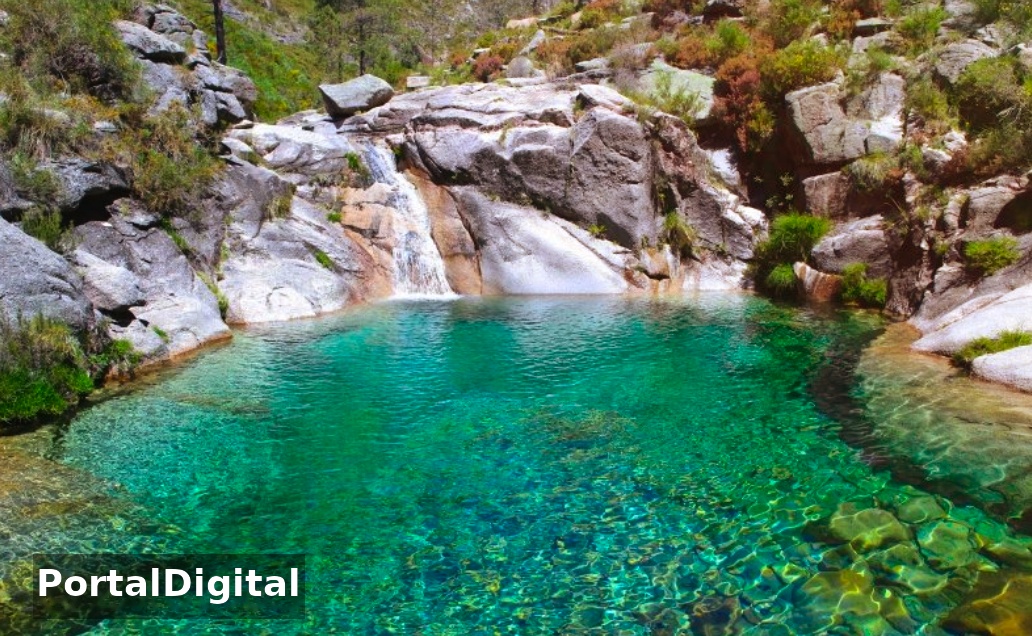
In the Ribeira de S. João river basin, the village of Candal and its river appear as a haven for those going up or down the mountain.
The village strategically placed next to the National Road that connects Lousã to Castanheira de Pera is used to receiving visitors.
Visitors find sloping streets and when they reach the viewpoint they can see the valley and Ribeira do Candal.
The village of Candal benefits from the National Road, considered the most developed of the mountain villages and one of the most visited, where it is common for groups to gather on weekends in search of fresh air.
The village develops on slopes and the only structuring element is EN 236 which is at the bottom.
The predominant construction material is slate with unplastered facades showing a rough construction and the urban fabric is irregular and complex.
The houses next to the road show exterior signs of greater modernity with plastered facades painted in bright colors that respect the dominant character of the village.
Dwellings and buildings housing domestic livestock are the most significant constructions.
In this village, the architectural complex with juxtaposed or even overlapping buildings contribute to a landscape of rich diversity, making it unique and special.
In the village of Candal, there is an Old Primary School built in the 1920s with currency sent by the villagers who emigrated to the USA.
The Chafariz do Candal, dating from 1941, located on the side of the EN 236, has a poem that ennobles it: “The Chafariz do Candal, has two seating stones, one is for dating, the other for passing time”.
In the village square there is the Alminha as the only religious building and it was built by a family in the region as payment for a promise.
The five hydraulic mills built in the 1920s along the right bank of Ribeira de Candal used the power of the water to drive the mechanism that grinds the cereal grains produced on the small slopes of the village.
The olive oil mill was built in 1919 using the waters of Ribeira do Candal and recently underwent restoration work, with its mechanism operational and there is also a washhouse.
The village strategically placed next to the National Road that connects Lousã to Castanheira de Pera is used to receiving visitors.
Visitors find sloping streets and when they reach the viewpoint they can see the valley and Ribeira do Candal.
The village of Candal benefits from the National Road, considered the most developed of the mountain villages and one of the most visited, where it is common for groups to gather on weekends in search of fresh air.
The village develops on slopes and the only structuring element is EN 236 which is at the bottom.
The predominant construction material is slate with unplastered facades showing a rough construction and the urban fabric is irregular and complex.
The houses next to the road show exterior signs of greater modernity with plastered facades painted in bright colors that respect the dominant character of the village.
Dwellings and buildings housing domestic livestock are the most significant constructions.
In this village, the architectural complex with juxtaposed or even overlapping buildings contribute to a landscape of rich diversity, making it unique and special.
In the village of Candal, there is an Old Primary School built in the 1920s with currency sent by the villagers who emigrated to the USA.
The Chafariz do Candal, dating from 1941, located on the side of the EN 236, has a poem that ennobles it: “The Chafariz do Candal, has two seating stones, one is for dating, the other for passing time”.
In the village square there is the Alminha as the only religious building and it was built by a family in the region as payment for a promise.
The five hydraulic mills built in the 1920s along the right bank of Ribeira de Candal used the power of the water to drive the mechanism that grinds the cereal grains produced on the small slopes of the village.
The olive oil mill was built in 1919 using the waters of Ribeira do Candal and recently underwent restoration work, with its mechanism operational and there is also a washhouse.