
It is located in the parish of Fajão, Vila de Pampilhosa da Serra, district of Coimbra, in the province of Beira Baixa, Centro region (Beiras Region) and sub-region of the Coimbra Region
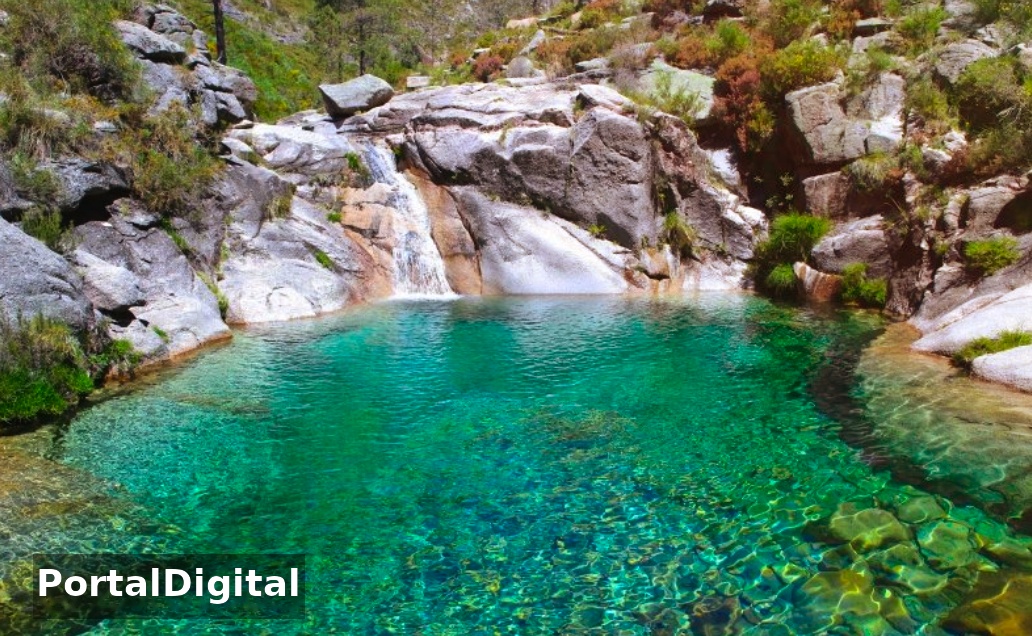
Schist Village of Fajão nestled in a picturesque shell of the Serra on the River Ceira near the source among tall and gigantic quartzite boulders whose configuration is reminiscent of ancient natural castles.
The village's requalification works began in September 2003 and covered public spaces, private properties and Fajão gained a more picturesque aura.
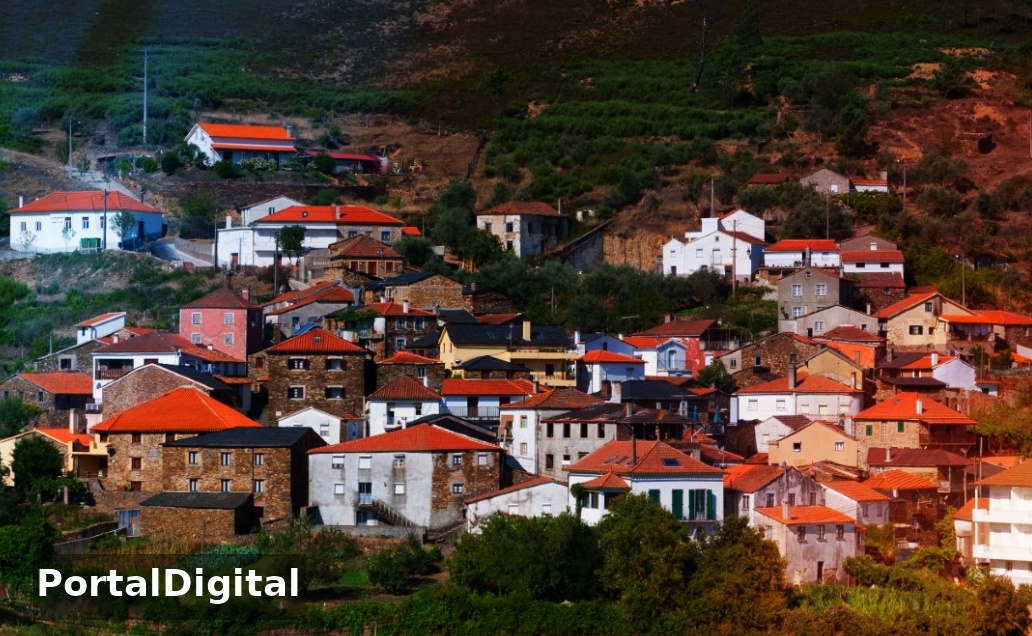
Fajão displays its schist houses, examples of the typical architecture of the area and has a complex urban fabric, all of which converges in a sinuous way towards the churchyard of the Main Church.
The slope on which it was built is eased by oblique alleys with ramps and steps, with a predominance of dark or almost ocher-colored schist and occasionally quartzite.
Some facades are plastered and painted in traditional colors (white and ochre) which gives a strong identity to the image of the village. Appreciating the woodwork of the doors and windows and the color of the walls seem to illuminate all the streets from the inside and lead to wide spaces.
The slate roofs and the carpentry with clean lines, the full and double glazed windows, with interior shutters give lightness to the entire structure of the buildings.
The doors feature a traditional glass shutter, plastered walls painted a warm yellow color that brighten up the town with colorful accents, the door knockers, the fences, the stiles, the curved walls, the fountains and balconies.
In Aldeia de Fajão, visitors can see the Main Church dedicated to Our Lady of the Assunção, a series of religious images all dating back to the 16th century, two modest chapels, the old Town Hall house which also served as a Court and Jail although it maintains the original plan and has been converted into an accommodation unit.
The village has its own museum named after Monsignor Nunes Pereira and the collection includes woodcuts, watercolors by Fajão and objects belonging to the village's history (such as its first public telephone).
In this village, visitors can see the typical community oven, the public washhouse, the old primary school from the times of the Estado Novo, the surrounding nature is also an ex-libris of the village and the source of the Ceira River can be seen as a tributary of the Mondego.
The visitor can also see the old fountain located below the churchyard and was a decisive water point for the establishment of the village in this location.
The slate panels refer to the "Tales of Fajão" and visitors must try the gastronomy that is one of Fajão's biggest attractions. Some private houses from the 19th century are also worth visiting, dating from 1869, 1881 and 1825.
The village's requalification works began in September 2003 and covered public spaces, private properties and Fajão gained a more picturesque aura.
Fajão displays its schist houses, examples of the typical architecture of the area and has a complex urban fabric, all of which converges in a sinuous way towards the churchyard of the Main Church.
The slope on which it was built is eased by oblique alleys with ramps and steps, with a predominance of dark or almost ocher-colored schist and occasionally quartzite.
Some facades are plastered and painted in traditional colors (white and ochre) which gives a strong identity to the image of the village. Appreciating the woodwork of the doors and windows and the color of the walls seem to illuminate all the streets from the inside and lead to wide spaces.
The slate roofs and the carpentry with clean lines, the full and double glazed windows, with interior shutters give lightness to the entire structure of the buildings.
The doors feature a traditional glass shutter, plastered walls painted a warm yellow color that brighten up the town with colorful accents, the door knockers, the fences, the stiles, the curved walls, the fountains and balconies.
In Aldeia de Fajão, visitors can see the Main Church dedicated to Our Lady of the Assunção, a series of religious images all dating back to the 16th century, two modest chapels, the old Town Hall house which also served as a Court and Jail although it maintains the original plan and has been converted into an accommodation unit.
The village has its own museum named after Monsignor Nunes Pereira and the collection includes woodcuts, watercolors by Fajão and objects belonging to the village's history (such as its first public telephone).
In this village, visitors can see the typical community oven, the public washhouse, the old primary school from the times of the Estado Novo, the surrounding nature is also an ex-libris of the village and the source of the Ceira River can be seen as a tributary of the Mondego.
The visitor can also see the old fountain located below the churchyard and was a decisive water point for the establishment of the village in this location.
The slate panels refer to the "Tales of Fajão" and visitors must try the gastronomy that is one of Fajão's biggest attractions. Some private houses from the 19th century are also worth visiting, dating from 1869, 1881 and 1825.