

Vale do Guadiana Natural Park is a protected area, with an area of 69,700 hectares, located in the southeast of Portuguese territory, in the Baixo Alentejo region.
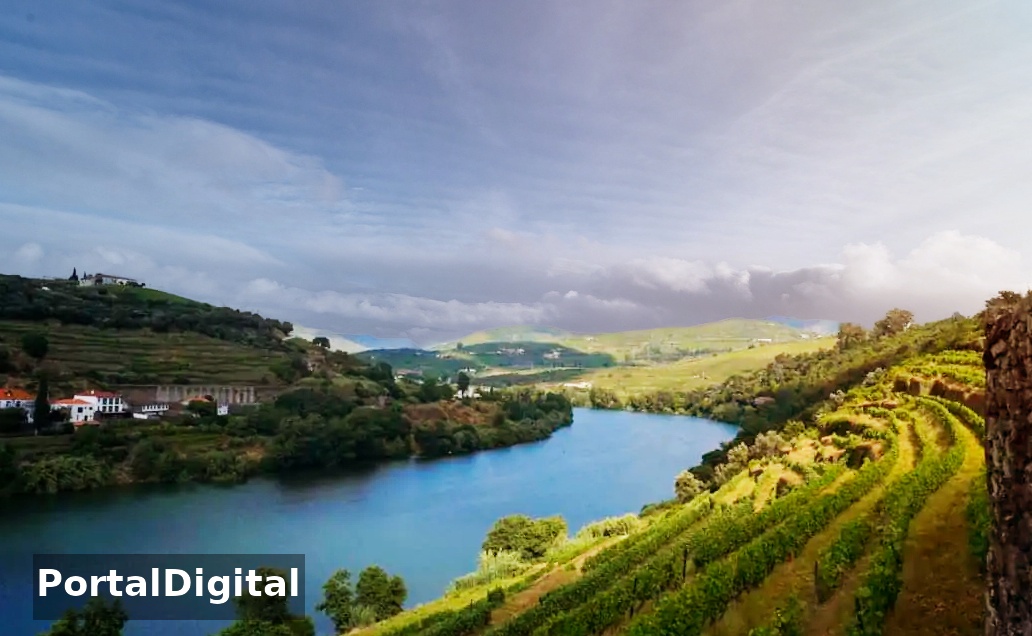
The Guadiana Valley Natural Park is located in the middle valley of the Guadiana River, in territory belonging to the municipalities of Mértola and Serpa, having an evident faunal, floristic, geomorphological, landscape and historical-cultural interest.
The protected area extends from the Guadiana river, from the Pulo do Lobo area to the mouth of the Vascão river.
The highest point of the natural park (370 m) is located in the quartic elevations of the Alcaria and São Barão mountains.
The park covers the municipalities of Mértola and Serpa located in the district of Beja, covering the riverside area of the Guadiana river, the town of Mértola, a location of great historical interest.
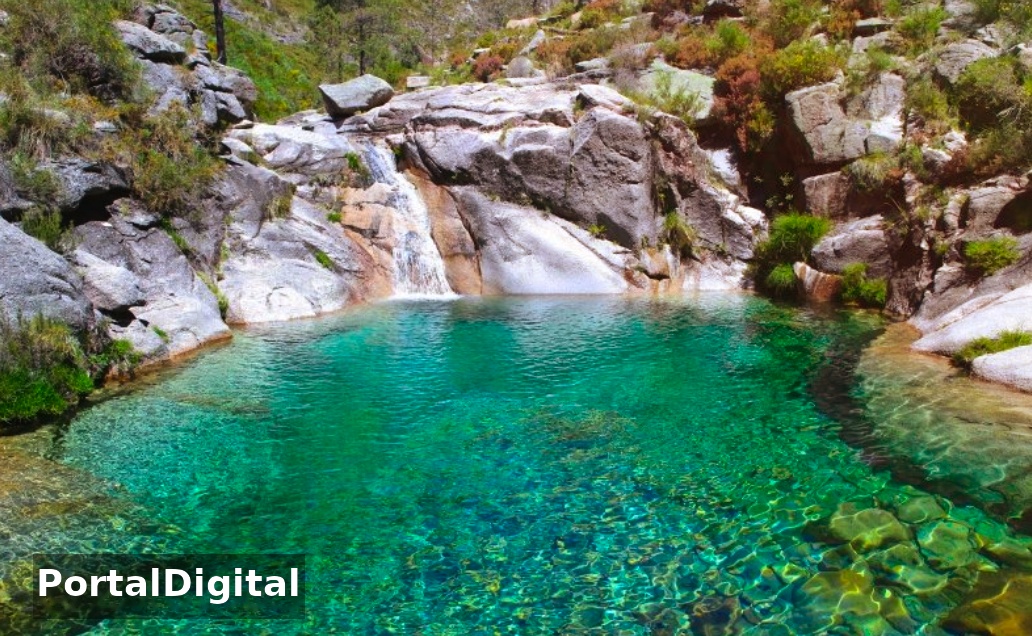
In the northern part of the Park is one of its main attractions, Pulo do Lobo, a place of great geological interest where the waters of the Guadiana fall approximately 20 meters high through a rocky gorge.
The Guadiana Valley Natural Park was created to protect part of the Guadiana River section and the surrounding plain. It is one of the driest areas in the country, with an average annual rainfall of 600 millimeters.
To the south, stretching from Castro Marim and Vila Real de Santo António, there is an area of salt marsh that functions as a "nursery" for juvenile fish and as an important refuge for several species of birds.
The Guadiana river basin is the most important in Portugal for the conservation of inland fish, with 16 species of autochthonous and migratory freshwater fish, 10 of which are Iberian endemics.
In Portugal there are only 4 in this basin, namely the saramugo (Anaecypris hispanica), the guadiana boga (Pseudochondrostoma willkommii), the small-headed barbel (Luciobarbus microcephalus) and the freshwater goby (Salaria fluviatilis).
In this area there are almost 70 thousand hectares, there are insects (arachnids) and fish (saramugo) that are unique in the world, such as water snakes, Turkish geckos, caracaras, wild cats, dormouse and eagle owls.
The vegetation cover is dominated by holm oak forests, with a modest presence of cork oak, extensive areas of rockrose and rainfed crops, showing that we are in the heart of Alentejo.
In terms of birdlife, birds of prey and an important procession of passerines (aka birds) stand out.
In the town of Mértola there is an urban colony, one of the most important nationally, of a very rare and threatened species, the lesser kestrel (Falco naumanni).
The symbol of the Park is a bird of prey, an element often illustrated in Islamic dishes from that period, taken from a dry rope glazed dish from the 11th century.
In the town of Mértola, cultural values are closely related to natural values, a connection that can still be observed in certain current activities such as fishing, livestock, agriculture and hunting.
The arid and harsh summer landscape is followed by green meadows in winter that give way to an explosion of colors as spring approaches, and in drier summers the tributary streams of the Guadiana are reduced to swamps while in rainier winters the flow increases significantly under a whirlwind of muddy water, the Pulo do Lobo waterfall.
The protected area extends from the Guadiana river, from the Pulo do Lobo area to the mouth of the Vascão river.
The highest point of the natural park (370 m) is located in the quartic elevations of the Alcaria and São Barão mountains.
The park covers the municipalities of Mértola and Serpa located in the district of Beja, covering the riverside area of the Guadiana river, the town of Mértola, a location of great historical interest.
In the northern part of the Park is one of its main attractions, Pulo do Lobo, a place of great geological interest where the waters of the Guadiana fall approximately 20 meters high through a rocky gorge.
The Guadiana Valley Natural Park was created to protect part of the Guadiana River section and the surrounding plain. It is one of the driest areas in the country, with an average annual rainfall of 600 millimeters.
To the south, stretching from Castro Marim and Vila Real de Santo António, there is an area of salt marsh that functions as a "nursery" for juvenile fish and as an important refuge for several species of birds.
The Guadiana river basin is the most important in Portugal for the conservation of inland fish, with 16 species of autochthonous and migratory freshwater fish, 10 of which are Iberian endemics.
In Portugal there are only 4 in this basin, namely the saramugo (Anaecypris hispanica), the guadiana boga (Pseudochondrostoma willkommii), the small-headed barbel (Luciobarbus microcephalus) and the freshwater goby (Salaria fluviatilis).
In this area there are almost 70 thousand hectares, there are insects (arachnids) and fish (saramugo) that are unique in the world, such as water snakes, Turkish geckos, caracaras, wild cats, dormouse and eagle owls.
The vegetation cover is dominated by holm oak forests, with a modest presence of cork oak, extensive areas of rockrose and rainfed crops, showing that we are in the heart of Alentejo.
In terms of birdlife, birds of prey and an important procession of passerines (aka birds) stand out.
In the town of Mértola there is an urban colony, one of the most important nationally, of a very rare and threatened species, the lesser kestrel (Falco naumanni).
The symbol of the Park is a bird of prey, an element often illustrated in Islamic dishes from that period, taken from a dry rope glazed dish from the 11th century.
In the town of Mértola, cultural values are closely related to natural values, a connection that can still be observed in certain current activities such as fishing, livestock, agriculture and hunting.
The arid and harsh summer landscape is followed by green meadows in winter that give way to an explosion of colors as spring approaches, and in drier summers the tributary streams of the Guadiana are reduced to swamps while in rainier winters the flow increases significantly under a whirlwind of muddy water, the Pulo do Lobo waterfall.