
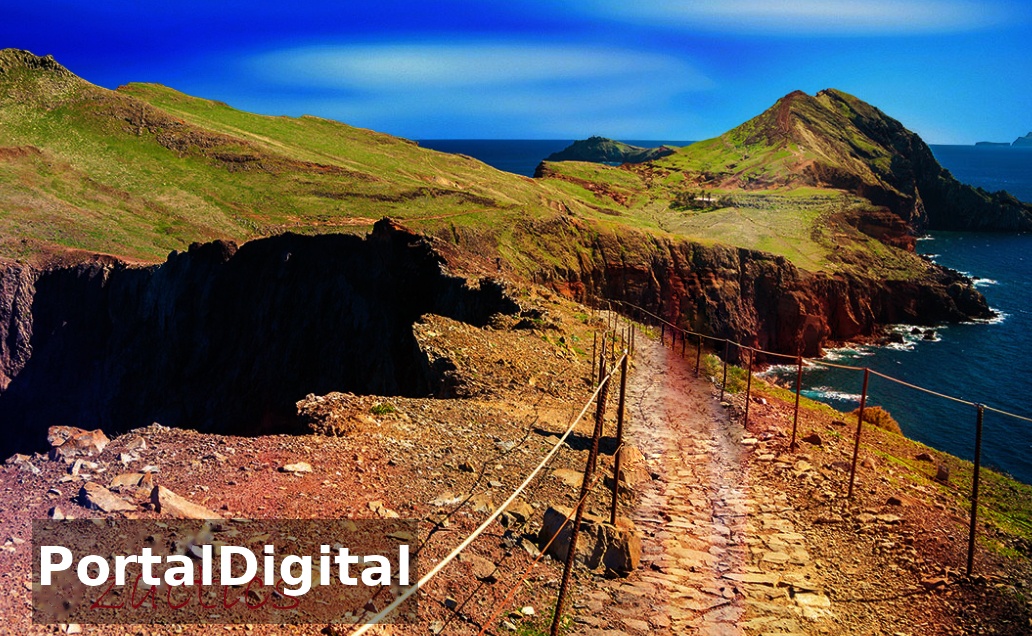
The Madeira Natural Park is a biogenetic reserve in which unique flora and fauna can be found
The archipelago located in the biogeographic region of Macaronesia contains a natural heritage of extreme scientific importance: the native forest of Madeira (Laurisilva) was recognized by UNESCO in 1999 as a Natural Heritage of Humanity, a unique distinction in Portugal, and now a biocultural property of all humanity.
Madeira has the largest area of this type of forest with around 22,000 hectares, the greatest variety of flora and fauna with some rare species such as the Serra Orquídea, unique in the world.
In the area you can see large trees belonging to the Lauraceae family: tilde, laurel, vinhatic, shrubs, ferns, mosses, lichens and other plants and small plants typical of the Laurissilva forest.
Madeira Park was created on November 10, 1982 with the aim of preserving a vast natural heritage of the Madeira Archipelago, including endangered species that are a rarity worldwide.
At an animal level, the birdlife includes the endemic pigeon, symbol of the Park and native to Madeira.
The area encompasses around two thirds of the territory of the island of Madeira as integral and partial natural reserves, protected landscapes and recreational areas: the Laurissilva Forest, Ponta de São Lourenço, the Ilhas Desertas Natural Reserve, the Ilhas Selvagens Natural Reserve, the Garajau Partial Natural Reserve, the Rocha do Navio Natural Reserve and the Porto Santo Marine Protected Areas Network.
The levadas on Madeira Island are one of the best ways to discover a significant part of Madeira's natural park. (levada: an irrigation canal or aqueduct flanked by a pedestrian path)
Among the birdlife is the endemic Madeiran pigeon, the Columba Trocaz, an emblematic forest bird and symbol of the Madeira Natural Park.
In this place, two thirds of Madeira's 741 km2 are classified as a nature reserve and a series of protected land and sea areas are part of the most important natural heritage of the Madeira archipelago.
The park is classified as a Biogenetic Reserve and contains a natural wealth that is unique in the world and includes some endangered species. The best way to get to know the Park is by walking along the network of recommended trails.
The Ilhas Desertas Natural Reserve is made up of three islands: Ilhéu Chão, Ilha Deserta Grande and Ilha Bugio. It represents the last Atlantic refuge for the Monk seal (Monachus monachus), better known as the Seal Wolf, which was the main reason for its creation.
Some of the measures imposed to preserve the Reserve are the total prohibition of underwater fishing activity, navigation in the southern part of it, and to visit Deserta Grande it is necessary to obtain a credential from the Madeira Natural Park Services, access is by sea via private or maritime-tourist vessels.
The last Atlantic sanctuary for the monk seal (Monachus monachus) better known locally as the wolffish was the main reason for its creation.
A boat to visit the island of Deserta Grande requires a license from the Madeira Natural Park Services, and access is by sea on private tourist or sea vessels.
The Selvagens Islands Natural Reserve is considered an "ornithological sanctuary" due to the conditions it presents for nesting seabirds, it covers three islands: Selvagem Grande, Selvagem Pequena and Ilhéu de Fora.
Herbivores have never been introduced to Selvagem Pequena and Ilhéu de Fora, so of the ninety species that represent the floral heritage of Selvagens, ten are endemic.
In the extreme south of the territory, the Selvagens Islands Natural Reserve is considered a “bird sanctuary” due to the conditions it offers for seabirds to nest.
The Selvagens Islands Natural Reserve is made up of three islands: Selvagem Grande, Selvagem Pequena and Ilhéu de Fora.
Access to the reserve is via sea on private or sea tourism vessels, although it is only permitted when duly authorized and licensed by the Madeira Natural Park Services.
The Garajau Marine Natural Reserve, on the south coast of Madeira Island, is considered a marine reserve: its fauna, large fish such as sea perch (Epinephelus guaza), manta rays and giant devil rays (Manta birostris Mobula mobular) whose size and graceful movements make the site an international attraction.
The docility of the fish allows divers to swim among them and the opportunities for underwater photography are excellent.
Fishing is prohibited within the reserve and navigation is also restricted, and access is by land: Cais do Lazareto or Praia do Garajau.
The Rocha do Navio Natural Reserve is located in the North of Madeira Island, in the municipality of Santana, and is part of the Natura 2000 Network.
This Reserve is an exclusively marine reserve that integrates the Ilhéu da Rocha das Vinhas and the Ilhéu da Viúva where you can observe some plants typical of the natural cliffs of Macaronesia, and access is via the Miradouro da Rocha do Navio or by cable car.
At the eastern end of Madeira Island is the Ponta de S. Lourenço Natural Reserve with its own flora and fauna where there is an environmental surveillance and education post.
The Porto Santo Marine Protected Areas Network comprises the land section of the six islets that surround the Island, the maritime section around Ilhéu da Cal and Ilhéu de Cima, the area where the Madeiran shipwreck is an exceptional place for diving.
The terrestrial part is also a Special Preservation Area included in the Natura 2000 Network.
Access is by sea, on private or sea tourism vessels, and is only permitted when duly authorized and licensed by the Madeira Natural Park Services.
The Núcleo Dragoeiros das Neves located in São Gonçalo is made up of a group of centuries-old dragon's blood palm trees, and a garden with native vegetation from the Madeiran coast.
From 2011 onwards, in recognition of the richness of an ecosystem that seeks to reconcile the preservation of biodiversity and its sustainable use, UNESCO classified the entire area of the Madeira Natural Park, in the municipality of Santana, as a World Biosphere Reserve.
Madeira has the largest area of this type of forest with around 22,000 hectares, the greatest variety of flora and fauna with some rare species such as the Serra Orquídea, unique in the world.
In the area you can see large trees belonging to the Lauraceae family: tilde, laurel, vinhatic, shrubs, ferns, mosses, lichens and other plants and small plants typical of the Laurissilva forest.
Madeira Park was created on November 10, 1982 with the aim of preserving a vast natural heritage of the Madeira Archipelago, including endangered species that are a rarity worldwide.
At an animal level, the birdlife includes the endemic pigeon, symbol of the Park and native to Madeira.
The area encompasses around two thirds of the territory of the island of Madeira as integral and partial natural reserves, protected landscapes and recreational areas: the Laurissilva Forest, Ponta de São Lourenço, the Ilhas Desertas Natural Reserve, the Ilhas Selvagens Natural Reserve, the Garajau Partial Natural Reserve, the Rocha do Navio Natural Reserve and the Porto Santo Marine Protected Areas Network.
The levadas on Madeira Island are one of the best ways to discover a significant part of Madeira's natural park. (levada: an irrigation canal or aqueduct flanked by a pedestrian path)
Among the birdlife is the endemic Madeiran pigeon, the Columba Trocaz, an emblematic forest bird and symbol of the Madeira Natural Park.
In this place, two thirds of Madeira's 741 km2 are classified as a nature reserve and a series of protected land and sea areas are part of the most important natural heritage of the Madeira archipelago.
The park is classified as a Biogenetic Reserve and contains a natural wealth that is unique in the world and includes some endangered species. The best way to get to know the Park is by walking along the network of recommended trails.
The Ilhas Desertas Natural Reserve is made up of three islands: Ilhéu Chão, Ilha Deserta Grande and Ilha Bugio. It represents the last Atlantic refuge for the Monk seal (Monachus monachus), better known as the Seal Wolf, which was the main reason for its creation.
Some of the measures imposed to preserve the Reserve are the total prohibition of underwater fishing activity, navigation in the southern part of it, and to visit Deserta Grande it is necessary to obtain a credential from the Madeira Natural Park Services, access is by sea via private or maritime-tourist vessels.
The last Atlantic sanctuary for the monk seal (Monachus monachus) better known locally as the wolffish was the main reason for its creation.
A boat to visit the island of Deserta Grande requires a license from the Madeira Natural Park Services, and access is by sea on private tourist or sea vessels.
The Selvagens Islands Natural Reserve is considered an "ornithological sanctuary" due to the conditions it presents for nesting seabirds, it covers three islands: Selvagem Grande, Selvagem Pequena and Ilhéu de Fora.
Herbivores have never been introduced to Selvagem Pequena and Ilhéu de Fora, so of the ninety species that represent the floral heritage of Selvagens, ten are endemic.
In the extreme south of the territory, the Selvagens Islands Natural Reserve is considered a “bird sanctuary” due to the conditions it offers for seabirds to nest.
The Selvagens Islands Natural Reserve is made up of three islands: Selvagem Grande, Selvagem Pequena and Ilhéu de Fora.
Access to the reserve is via sea on private or sea tourism vessels, although it is only permitted when duly authorized and licensed by the Madeira Natural Park Services.
The Garajau Marine Natural Reserve, on the south coast of Madeira Island, is considered a marine reserve: its fauna, large fish such as sea perch (Epinephelus guaza), manta rays and giant devil rays (Manta birostris Mobula mobular) whose size and graceful movements make the site an international attraction.
The docility of the fish allows divers to swim among them and the opportunities for underwater photography are excellent.
Fishing is prohibited within the reserve and navigation is also restricted, and access is by land: Cais do Lazareto or Praia do Garajau.
The Rocha do Navio Natural Reserve is located in the North of Madeira Island, in the municipality of Santana, and is part of the Natura 2000 Network.
This Reserve is an exclusively marine reserve that integrates the Ilhéu da Rocha das Vinhas and the Ilhéu da Viúva where you can observe some plants typical of the natural cliffs of Macaronesia, and access is via the Miradouro da Rocha do Navio or by cable car.
At the eastern end of Madeira Island is the Ponta de S. Lourenço Natural Reserve with its own flora and fauna where there is an environmental surveillance and education post.
The Porto Santo Marine Protected Areas Network comprises the land section of the six islets that surround the Island, the maritime section around Ilhéu da Cal and Ilhéu de Cima, the area where the Madeiran shipwreck is an exceptional place for diving.
The terrestrial part is also a Special Preservation Area included in the Natura 2000 Network.
Access is by sea, on private or sea tourism vessels, and is only permitted when duly authorized and licensed by the Madeira Natural Park Services.
The Núcleo Dragoeiros das Neves located in São Gonçalo is made up of a group of centuries-old dragon's blood palm trees, and a garden with native vegetation from the Madeiran coast.
From 2011 onwards, in recognition of the richness of an ecosystem that seeks to reconcile the preservation of biodiversity and its sustainable use, UNESCO classified the entire area of the Madeira Natural Park, in the municipality of Santana, as a World Biosphere Reserve.