
Located on Rua da República, City of Évora, Alentejo region
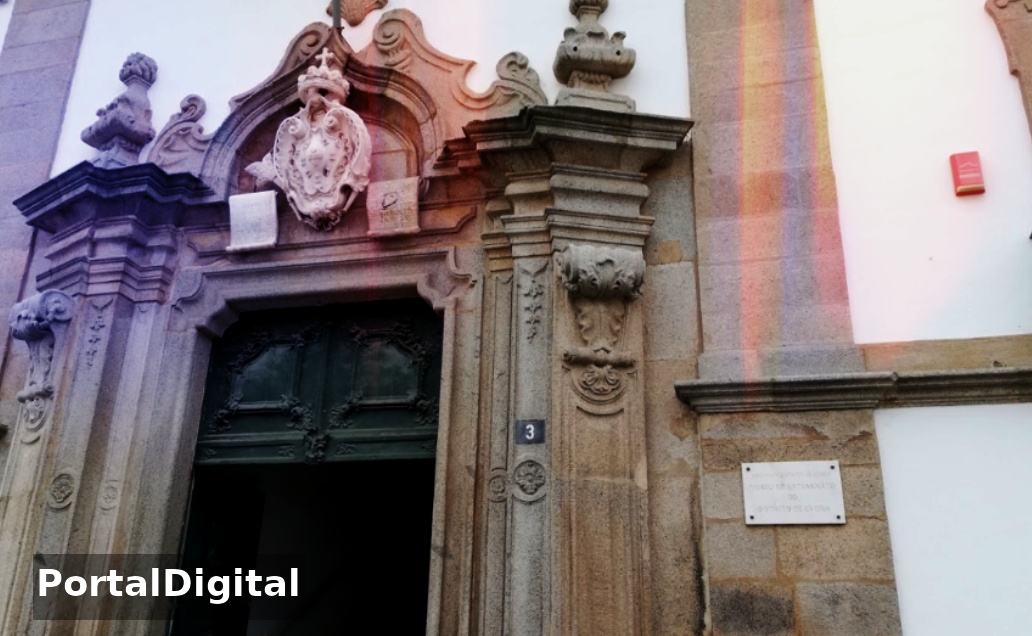
The building's Museum is large and has granite jambs on the doors and windows, a coat of arms is visible on the top of the door, and currently houses the Museum of Crafts and Design – MADE.
The Évora Crafts and Design Museum (MADE) opened its doors in 2011 as a result of a partnership between the Regional Tourism Entity, the Municipality of Évora and collector Paulo Parra.
Housed in the former Traditional Arts Center, the Évora Museum of Crafts and Design (MADE) opened its doors in November 2011.
In the heart of the historic center of the city, it was the subject of a program of renovation and enhancement of the museum collection, under the responsibility of Turismo do Alentejo, ERT and Évora City Council.
Housing the collection of the former Traditional Arts Center (the Paulo Parra collection, relating to the memory of traditional crafts in Alentejo), MADE also includes new areas of research, library and reserves.
The Museum is housed in the former Real Celeiro Comum, and features a notable work of baroque civil architecture built by the architect João Baptista.
MADE houses the collection of the former Crafts Museum/Traditional Arts Center, promoting the memory of traditional Alentejo crafts, and inserting artisanal production in the context of design, exploring new social and anthropological connotations.
The museum has some 20th century design items such as: antique electronic devices, heaters, cameras, music players, typewriters, a temporary exhibition with pieces of modern art sculpture made in iron for sale.
A cultural space that showcases local crafts based on clay, wood and fabrics, and provides other exhibitions with more contemporary objects that allow us to get in touch with Alentejo culture and is also suitable for all ages.
The museum is well located, in an easily accessible place and where you can see works of crafts and design objects such as: handmade rugs, baskets, miniature pieces, straw chairs, hand-painted crockery and typical Alentejo dolls.
The visit to the museum is quick, usually taking no more than an hour, and you also learn a little about the customs of the Alentejo people.
The Évora Crafts and Design Museum (MADE) opened its doors in 2011 as a result of a partnership between the Regional Tourism Entity, the Municipality of Évora and collector Paulo Parra.
Housed in the former Traditional Arts Center, the Évora Museum of Crafts and Design (MADE) opened its doors in November 2011.
In the heart of the historic center of the city, it was the subject of a program of renovation and enhancement of the museum collection, under the responsibility of Turismo do Alentejo, ERT and Évora City Council.
Housing the collection of the former Traditional Arts Center (the Paulo Parra collection, relating to the memory of traditional crafts in Alentejo), MADE also includes new areas of research, library and reserves.
The Museum is housed in the former Real Celeiro Comum, and features a notable work of baroque civil architecture built by the architect João Baptista.
MADE houses the collection of the former Crafts Museum/Traditional Arts Center, promoting the memory of traditional Alentejo crafts, and inserting artisanal production in the context of design, exploring new social and anthropological connotations.
The museum has some 20th century design items such as: antique electronic devices, heaters, cameras, music players, typewriters, a temporary exhibition with pieces of modern art sculpture made in iron for sale.
A cultural space that showcases local crafts based on clay, wood and fabrics, and provides other exhibitions with more contemporary objects that allow us to get in touch with Alentejo culture and is also suitable for all ages.
The museum is well located, in an easily accessible place and where you can see works of crafts and design objects such as: handmade rugs, baskets, miniature pieces, straw chairs, hand-painted crockery and typical Alentejo dolls.
The visit to the museum is quick, usually taking no more than an hour, and you also learn a little about the customs of the Alentejo people.