
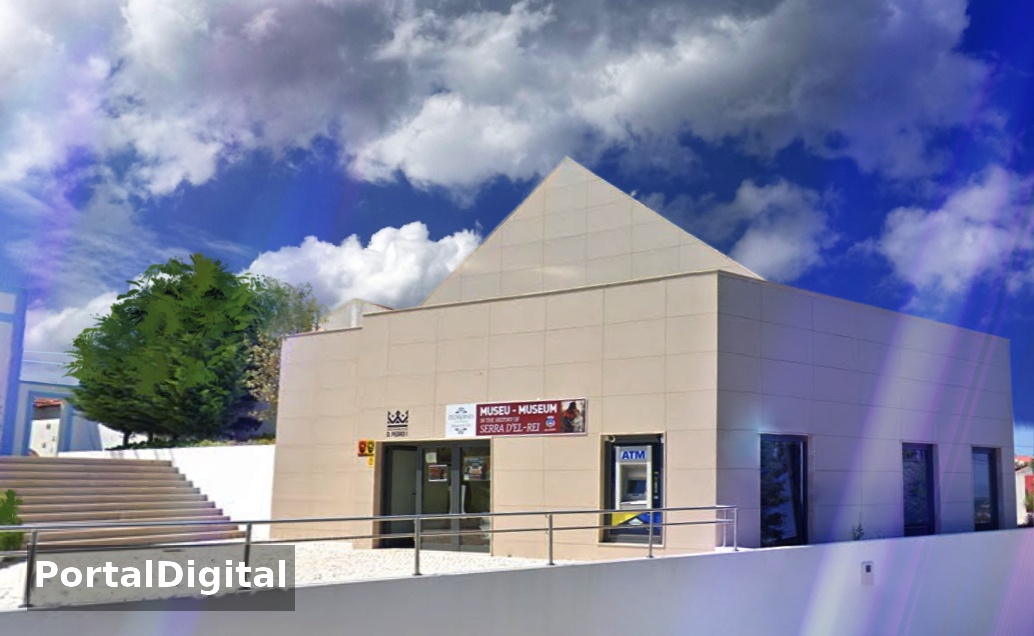
They are located in Fórum da Serra, Av. Liberdade, parish of Serra d’ El-Rei, City of Peniche, District of Leiria, Central Portugal
The Serra d’ El-Rei D. Pedro I Museum is the most recent museum space in the municipality of Peniche, opened on February 14, 2018, in a new building connected to the Forum da Serra.
The Serra d’ El-Rei D. Pedro I Museum is recognized as a museum of identity and community that has a special focus on the issues of History and Identity of this medieval town, which also appear in its name and logo.
The Museum covers the passage of Inês and the residence of D. Pedro, the legendary love is evoked in the Museu Serra d’ El-Rei D. Pedro I, the main driver of the museum.
The story of the love between Inês de Castro and D. Pedro ends up being shared by some visitors, perhaps not with as sad an ending as Inês had, the tragic ending is symbolized in a fashion piece on the second floor.
In the main room is the permanent exhibition and we follow the opposite path to the horseshoes drawn on the ground.
D. Pedro ordered his men to track the horses when he secretly went to meet Inês de Castro.
The museum also offers an overview of the costumes of the time, we also have some works that were given to us by the Inês de Castro Foundation, some content on local history and the appreciation of local heritage.
Fashion and love at the Serra d’ El-Rei D. Pedro I Museum through women's clothing pieces combine the history of drama, Peniche bobbin lace and love in a very creative way.
The inaugural exhibition of this museum was called “Pedro and Inês in the History of Serra d’ El-Rei”, which focuses on the loves of those two essential figures in Portuguese history in their relationship with this western region.
The dissemination of this story of love and tears is under the protocol signed between the Inês de Castro Foundation, the Municipality of Peniche and the Parish of Serra d’ El-Rei.
A small installation but it adds some readings to the legend of D. Pedro and Inês de Castro that dates back to the 14th century, when the Punisher or the Cruel aimed to publicize the history and identity of this city.
The Museum exhibits Bobbin Lace through fashion pieces, paintings, preservation of the customs of folkloric ranches, arguments and historical legends.
The Serra d’ El-Rei D. Pedro I Museum is recognized as a museum of identity and community that has a special focus on the issues of History and Identity of this medieval town, which also appear in its name and logo.
The Museum covers the passage of Inês and the residence of D. Pedro, the legendary love is evoked in the Museu Serra d’ El-Rei D. Pedro I, the main driver of the museum.
The story of the love between Inês de Castro and D. Pedro ends up being shared by some visitors, perhaps not with as sad an ending as Inês had, the tragic ending is symbolized in a fashion piece on the second floor.
In the main room is the permanent exhibition and we follow the opposite path to the horseshoes drawn on the ground.
D. Pedro ordered his men to track the horses when he secretly went to meet Inês de Castro.
The museum also offers an overview of the costumes of the time, we also have some works that were given to us by the Inês de Castro Foundation, some content on local history and the appreciation of local heritage.
Fashion and love at the Serra d’ El-Rei D. Pedro I Museum through women's clothing pieces combine the history of drama, Peniche bobbin lace and love in a very creative way.
The inaugural exhibition of this museum was called “Pedro and Inês in the History of Serra d’ El-Rei”, which focuses on the loves of those two essential figures in Portuguese history in their relationship with this western region.
The dissemination of this story of love and tears is under the protocol signed between the Inês de Castro Foundation, the Municipality of Peniche and the Parish of Serra d’ El-Rei.
A small installation but it adds some readings to the legend of D. Pedro and Inês de Castro that dates back to the 14th century, when the Punisher or the Cruel aimed to publicize the history and identity of this city.
The Museum exhibits Bobbin Lace through fashion pieces, paintings, preservation of the customs of folkloric ranches, arguments and historical legends.