

Moura is a Portuguese city in the Beja district, Alentejo region and Baixo Alentejo sub-region with around 11,000 inhabitants, Portugal
The municipality of Moura is divided into 5 parishes: Amareleja, Moura (Santo Agostinho and São João Baptista) and Santo Amador, Póvoa de São Miguel, Safara and Santo Aleixo da Restauração and Sobral da Adiça.
The City is limited to the north by the municipality of Mourão, to the east by Barrancos, to the east and south by Spain, to the southwest by Serpa and to the west by Vidigueira, Portel and Reguengos de Monsaraz. The border with Spain to the east and the Guadiana River to the west are the major borders of the municipality of Moura.
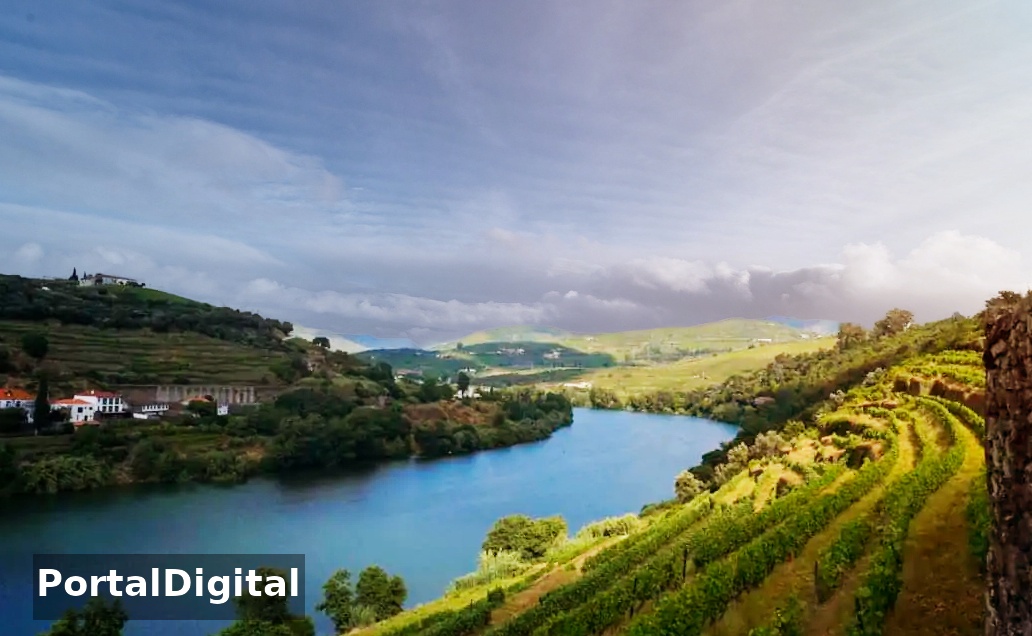
The water of its rivers and streams, the fertility of its lands and the abundance of minerals attracted people to settle in this territory. Moura is surrounded by olive trees that are the hallmark of the municipality and nearby there are rivers where you can fish and fields where you can hunt or go for walks.
The rhythm of life is still marked by the agricultural seasons, the art of making excellent cheeses, sweets, sausages, wines and olive oils that characterize the municipality.
During the Roman occupation of the Iberian Peninsula, the city of Moura would be called Aruci Novum, but the Muslim invasions changed its name to Al-Manijah and the current name of Moura appears linked to the Legend of Moura Salúquia.
The Moura castle, classified as a Property of Public Interest since 1944, is located at the highest point in the city and its occupation dates back at least to the Iron Age. The remains of fortifications from the Islamic period and the Christian period are testimony to the intense disputes over control of the territory.
Christian rule took place in 1232 and from 1295 Moura was conquered, but it was with D. Dinis that Moura received its first Charter (1295) and Charter of Feira (1302), and later with D. Manuel it granted a new charter in 1512 and received the title of Notable Vila de Moura from D. João III.
The proximity to the Spanish border required tight control of the territory around the castle, hence the need to build watchtowers or watchtowers.
The existence of two permanent water springs inside the castle, which still supply two fountains today (Três Bicas and Santa Comba) allowed a thermal unit and the Água Castello factory to emerge in the 19th and 20th centuries, which remained until the end of the 1930s.
Moura was elevated to city status on February 1, 1988 and the municipal holiday is celebrated on June 24.
It was in the city of Moura that Tiago Moura de Portugal lived, a very important character in the city's history as he led the army that definitively expelled the Spanish during its occupation.
The tourist attractions are: Castle of Moura (includes the Convent of the Dominican nuns and the building of the old Town Hall), Lagar de Varas do Fojo (Olive Oil Museum), Church of São Pedro (Museum of Sacred Art of Moura), Jardim Doutor Santiago in Moura, Alberto Gordillo Museum - Contemporary Jewelry, Moinho da Pipa, Atalaia da Cabeça Magra, Parish Church of Santo Aleixo da Restauração, Clock Tower, Moura Barracks, Convent of Carmo, Church of Nossa Senhora da Estrela, Convent of Tomina, Parish Church of Safara, Parish Church of Santo Aleixo, Main Church of Amareleja, Pelourinho de Moura and Alqueva Dam.
The City is limited to the north by the municipality of Mourão, to the east by Barrancos, to the east and south by Spain, to the southwest by Serpa and to the west by Vidigueira, Portel and Reguengos de Monsaraz. The border with Spain to the east and the Guadiana River to the west are the major borders of the municipality of Moura.
The water of its rivers and streams, the fertility of its lands and the abundance of minerals attracted people to settle in this territory. Moura is surrounded by olive trees that are the hallmark of the municipality and nearby there are rivers where you can fish and fields where you can hunt or go for walks.
The rhythm of life is still marked by the agricultural seasons, the art of making excellent cheeses, sweets, sausages, wines and olive oils that characterize the municipality.
During the Roman occupation of the Iberian Peninsula, the city of Moura would be called Aruci Novum, but the Muslim invasions changed its name to Al-Manijah and the current name of Moura appears linked to the Legend of Moura Salúquia.
The Moura castle, classified as a Property of Public Interest since 1944, is located at the highest point in the city and its occupation dates back at least to the Iron Age. The remains of fortifications from the Islamic period and the Christian period are testimony to the intense disputes over control of the territory.
Christian rule took place in 1232 and from 1295 Moura was conquered, but it was with D. Dinis that Moura received its first Charter (1295) and Charter of Feira (1302), and later with D. Manuel it granted a new charter in 1512 and received the title of Notable Vila de Moura from D. João III.
The proximity to the Spanish border required tight control of the territory around the castle, hence the need to build watchtowers or watchtowers.
The existence of two permanent water springs inside the castle, which still supply two fountains today (Três Bicas and Santa Comba) allowed a thermal unit and the Água Castello factory to emerge in the 19th and 20th centuries, which remained until the end of the 1930s.
Moura was elevated to city status on February 1, 1988 and the municipal holiday is celebrated on June 24.
It was in the city of Moura that Tiago Moura de Portugal lived, a very important character in the city's history as he led the army that definitively expelled the Spanish during its occupation.
The tourist attractions are: Castle of Moura (includes the Convent of the Dominican nuns and the building of the old Town Hall), Lagar de Varas do Fojo (Olive Oil Museum), Church of São Pedro (Museum of Sacred Art of Moura), Jardim Doutor Santiago in Moura, Alberto Gordillo Museum - Contemporary Jewelry, Moinho da Pipa, Atalaia da Cabeça Magra, Parish Church of Santo Aleixo da Restauração, Clock Tower, Moura Barracks, Convent of Carmo, Church of Nossa Senhora da Estrela, Convent of Tomina, Parish Church of Safara, Parish Church of Santo Aleixo, Main Church of Amareleja, Pelourinho de Moura and Alqueva Dam.