
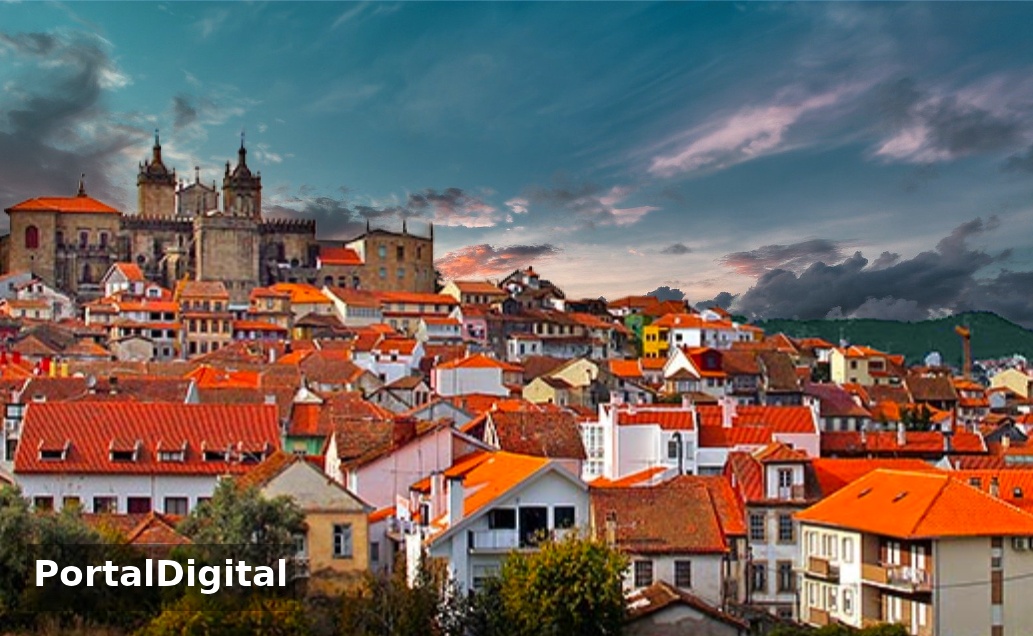
Viseu is a city and municipality in the Central Region of Portugal and capital of the district of the same name, with a population of 100,000 inhabitants
During the period at the beginning of the Castro Iberian culture, the territory of Viseu was populated by a series of cultures: Romans, Suevi, Visigoths and Moors.
In the Roman occupation of the Iberian Peninsula, Viriathus, rebel leader of the Lusitanians who lived for some time nearby.
In the Middle Ages, the city often served as a residence for Visigothic nobles such as King Roderico.
The origins of the city of Viseu date back to the Celtic period, the town gained importance and was renamed ''''''''Vissaium'''''''', finding itself at the crossroads of a series of Roman roads connecting Mérida, Lisbon and Galicia.
Viseu is associated with Viriathus as it is thought that the Lusitanian hero may have been born in this region.
After the Roman occupation of the peninsula under the Visigoths, the town was elevated to the category of city and the seat of the diocese at least in the 6th century.
The city became part of a fiefdom, when Infante D. Henrique, the Navigator, son of King D. João I of Portugal was named Duke of Viseu in 1415. Vasco Fernandes, a famous artist of the Portuguese Renaissance (1745), was born in the city.
King D. Manuel I of Portugal renewed Viseu's charter, a series of works were carried out throughout the city with the opening of the city's first square, Rossio.
In the 19th century, a new Municipal Palace was built in Rossio significantly changing the flow of the city, moving it from the medieval center to the new areas of the city.
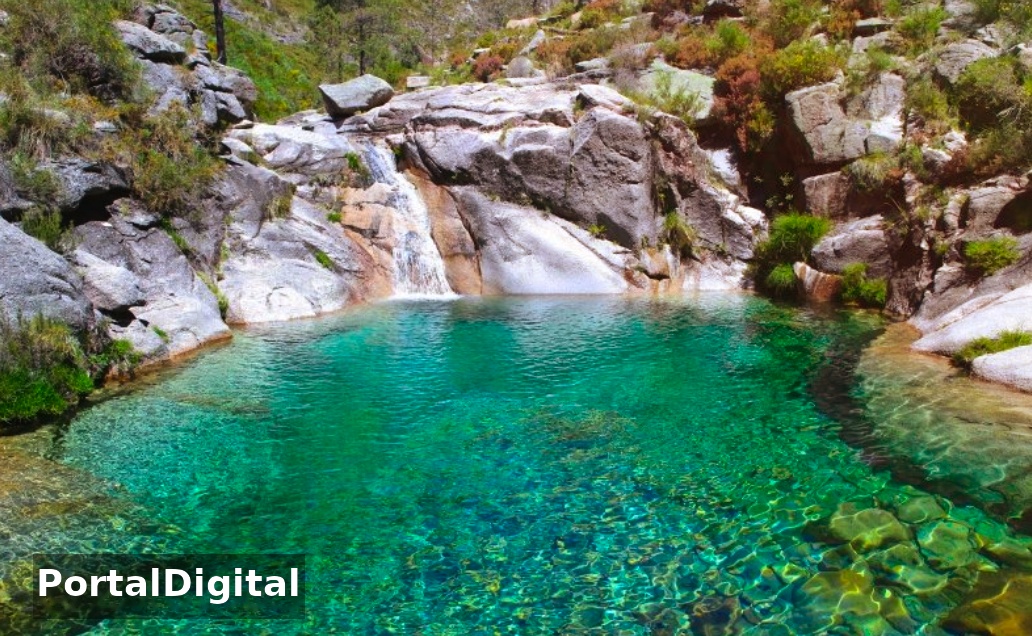
The Municipality is characterized by an irregular surface with altitudes ranging between 400 and 700 meters with rugged terrain, has numerous watercourses and is located in three basins: Vouga, Dão and Paiva.
The major attractions of the City of Viseu are: Viseu Cathedral, Grão Vasco Museum, Cava do Viriato, Misericórdia Church, Fontelo Park, Tile Panel of the Rossio de Viseu (Praça da República, Viseu), Almeida Moreira Museum, Quartz Museum, Aquilino Ribeiro Park, Jardim das Mães, Church of the Thirds of São Francisco, Adega Caminhos Cruzados, Quinta da Cruz, Porta do Soar, Porta dos Cavaleiros, Santar Vila Jardim (Vines and Wine), Termas de Alcafache, Casa da Ribeira, Casa Belvedere - Archaeological Collection of José Coelho, Church of Nossa Senhora do Carmo, City Park, Santiago Urban Park, City History Museum and Monastery of Santa Maria de Maceira Dão.
In the Roman occupation of the Iberian Peninsula, Viriathus, rebel leader of the Lusitanians who lived for some time nearby.
In the Middle Ages, the city often served as a residence for Visigothic nobles such as King Roderico.
The origins of the city of Viseu date back to the Celtic period, the town gained importance and was renamed ''''''''Vissaium'''''''', finding itself at the crossroads of a series of Roman roads connecting Mérida, Lisbon and Galicia.
Viseu is associated with Viriathus as it is thought that the Lusitanian hero may have been born in this region.
After the Roman occupation of the peninsula under the Visigoths, the town was elevated to the category of city and the seat of the diocese at least in the 6th century.
The city became part of a fiefdom, when Infante D. Henrique, the Navigator, son of King D. João I of Portugal was named Duke of Viseu in 1415. Vasco Fernandes, a famous artist of the Portuguese Renaissance (1745), was born in the city.
King D. Manuel I of Portugal renewed Viseu's charter, a series of works were carried out throughout the city with the opening of the city's first square, Rossio.
In the 19th century, a new Municipal Palace was built in Rossio significantly changing the flow of the city, moving it from the medieval center to the new areas of the city.
The Municipality is characterized by an irregular surface with altitudes ranging between 400 and 700 meters with rugged terrain, has numerous watercourses and is located in three basins: Vouga, Dão and Paiva.
The major attractions of the City of Viseu are: Viseu Cathedral, Grão Vasco Museum, Cava do Viriato, Misericórdia Church, Fontelo Park, Tile Panel of the Rossio de Viseu (Praça da República, Viseu), Almeida Moreira Museum, Quartz Museum, Aquilino Ribeiro Park, Jardim das Mães, Church of the Thirds of São Francisco, Adega Caminhos Cruzados, Quinta da Cruz, Porta do Soar, Porta dos Cavaleiros, Santar Vila Jardim (Vines and Wine), Termas de Alcafache, Casa da Ribeira, Casa Belvedere - Archaeological Collection of José Coelho, Church of Nossa Senhora do Carmo, City Park, Santiago Urban Park, City History Museum and Monastery of Santa Maria de Maceira Dão.