
Road Trip in Serra da Estrela, in the interior center of Portugal, Municipality of Gouveia, in the district of Guarda (85%) and also in the district of Castelo Branco (15%) in Central Portugal
It is worth spending at least 2 to 4 days to see the Serra da Estrela Natural Park, on the highest mountain and in one of the most beautiful places in Portugal, it is a true paradise for nature lovers.
The Park marked by rocky masses of granite, shale, traces of ancient glaciers, the high altitude of the natural park make it one of the places in mainland Portugal with the highest occurrence of rain, snow, hail and dew.
The Park has some species of flora that are unique in the country, including the wolf (Canis lupus), the wild boar, the otter, the fox (Vulpes vulpes), the mountain gecko (Lacerta monticola monticola), the genet (Genetta genetta) and the European wild rabbit (Oryctolagus cuniculus) among others.
The various activities it has to offer stand out: marked hiking trails, an interpretation center and the only ski resort in the country.
Serra da Estrela is an area of rare scenic beauty with impressive mountain heights where we can intensely experience the silence of the heights, and observe it by noticing the variety of vegetation, the birds or the flocks of sheep led by dogs of the breed to which the Serra gave its name.
But we can also follow the course of the great Portuguese rivers from their sources: the Mondego in Mondeguinho, the Zêzere in Covão d''''Ametade and the Alva in Vale do Rossim are stunning places.
Enjoy the glacial valleys of Loriga, Manteigas, Covão do Urso and Covão Grande.
In Covão do Urso, the most interesting aspect is the lateral moraine at the top of the northeast slope of Covão and the longest in Portugal, extending for around 4 km. It is a large accumulation of blocks that can reach a few meters in diameter and which appears to correspond to the phase of greatest extension of the glaciers in this area of the Serra.
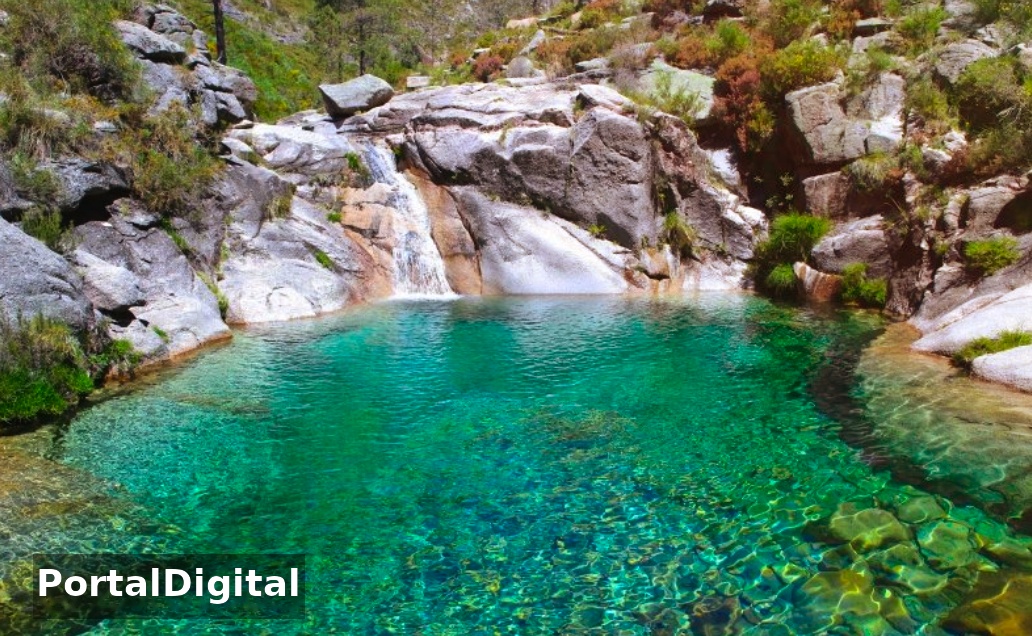
In the warmer months, the best suggestion would certainly be the Route of 25 Lagoons, which guides us through refreshing spaces.
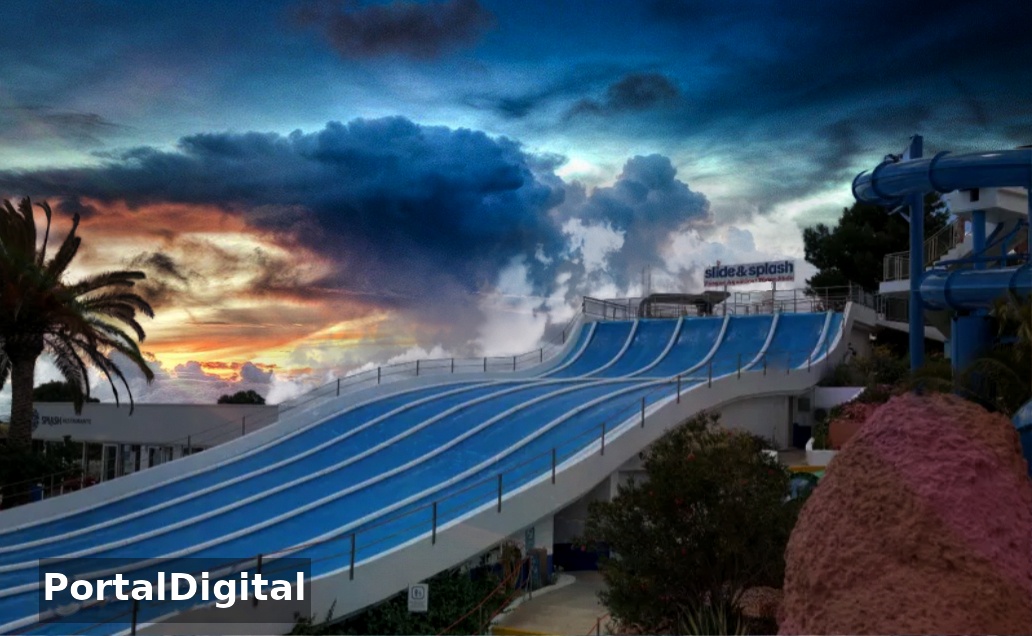
In cold weather, Serra da Estrela is the only place in Portugal where we can practice snow skiing, sledding, snowboarding and motor skiing where there are several slopes with support infrastructure, and synthetic snow slopes for skiing at any time of year.
The natural park is excellent for walking, horse riding or cycling, and there are around 375 kilometers of marked trails on the ground with various levels of difficulty.
Visitors can also try paragliding in Linhares da Beira, flying over the historic village that you can also explore on your own.
In the Park you can visit Lagoa Comprida, Cântaro Magro, Cabeça do Velho, Poço do Inferno, Nossa Senhora da Boa Estrela, and Covão do Boi.
Lagoa Comprida is located in the town and municipality of Seia, district of Guarda, located in the province of Beira Alta, Centro region (Região das Beiras) and sub-region of Serra da Estrela, Central Portugal.
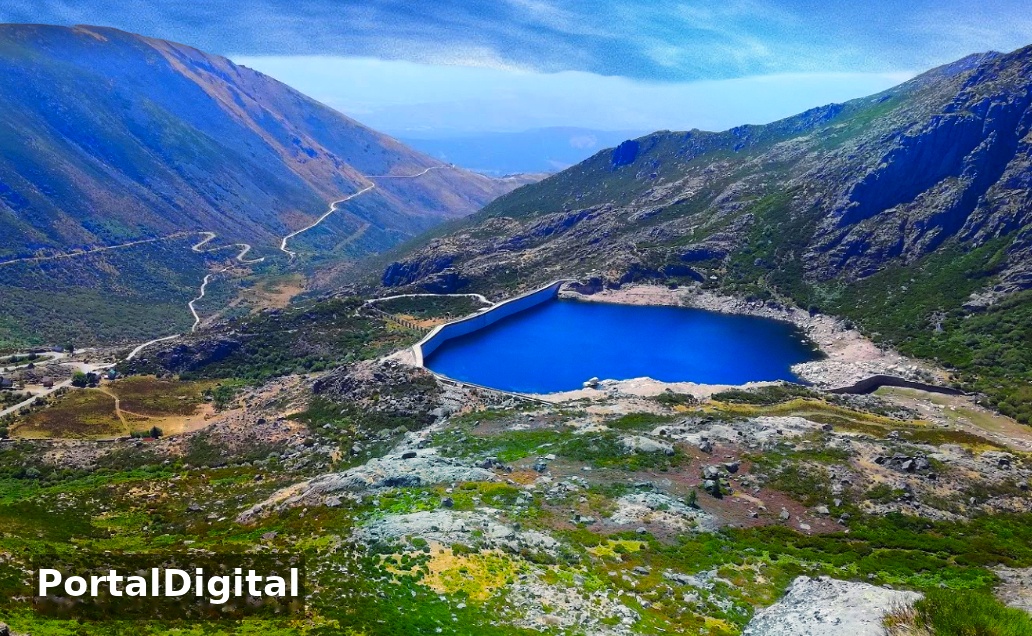
Lagoa Comprida is the largest of the lagoons in the upper Serra da Estrela massif, and was built from a natural lagoon that constitutes the main water reservoir in the Serra da Estrela.
The Lagoa Comprida dam is located in the municipality of Seia, district of Guarda and is located on the Lagoa river.
Cântaro Magro is a notable relief (altitude 1928 m) in Serra da Estrela, municipality of Manteigas in Portugal, located at the head of the glacial valley of the river Zêzere, standing out from the Torre plateau.
At the foot of Cântaro Magro in Covão d''''Ametade up to its summit there is a drop (vertical wall) of approximately 500 m, it is one of the most interesting places for climbing in the Iberian Peninsula.
Cabeça do Velho is a curious granite outcrop that, seen from the road in the direction of Manteigas to Gouveia, looks like the figure of a human head.
Cabeça do Velho is characterized by being a natural form created by erosion mainly caused by the wind and is located in Serra da Estrela at more than 1000 meters of altitude, and in a place with a beautiful mountain landscape.
Poço do Inferno is a site of geological interest and is one of the ex-libris of Serra da Estrela.
The waterfall measuring around 10 m is due to the variations in rock types in the places crossed by the Leandres river.
The watercourse upstream of this place runs through granite rocks (Seia granite), encounters a resistant natural barrier of hardened rocks due to contact metamorphism, and crashes after crossing into another granite (Manteigas).
The transformation of rocks is called metamorphism, and their greater resistance to erosion gives rise to wild-looking reliefs with steep peaks clearly visible from the viewpoint at the bend in the road, just after the waterfall.
A place of great beauty, cool and pleasant especially in summer with plenty of vegetation and a waterfall (about 1,100 m above sea level), and in winter when the water freezes it provides excellent photos.
Covão do Boi is located above 1,850 meters of altitude, and you can appreciate the magnificent monument carved into the granite rock, which is the seven-meter-high “Our Lady of the Good Star or the Shepherds”.
In 1946, the Monument was inaugurated, and was carved into the rock and represents the “Lady of Good Hour”, patron saint of Shepherds.
The sculpture was created by António Duarte, based on an idea from the local Parish Priest who wanted to pay homage to the Saint, protector of the Shepherds who have faced the harsh weather conditions of the harsh region for centuries.
You can taste its treasures, such as cheeses, cherries, olive oil, honey, wines with unique aromas and flavors. This is a cold land but with a warm heart, or if it weren't for the craftsmanship of wool also being a valuable heritage of mountain communities.
Set out to discover this region and follow the roads that will take you to historic villages, reserves and natural parks, mountain towns, mountain villages and many museums and monuments that justify a visit in themselves, at any time of year. You will love this road trip, as it is a must-see on every itinerary in Portugal.
The Park marked by rocky masses of granite, shale, traces of ancient glaciers, the high altitude of the natural park make it one of the places in mainland Portugal with the highest occurrence of rain, snow, hail and dew.
The Park has some species of flora that are unique in the country, including the wolf (Canis lupus), the wild boar, the otter, the fox (Vulpes vulpes), the mountain gecko (Lacerta monticola monticola), the genet (Genetta genetta) and the European wild rabbit (Oryctolagus cuniculus) among others.
The various activities it has to offer stand out: marked hiking trails, an interpretation center and the only ski resort in the country.
Serra da Estrela is an area of rare scenic beauty with impressive mountain heights where we can intensely experience the silence of the heights, and observe it by noticing the variety of vegetation, the birds or the flocks of sheep led by dogs of the breed to which the Serra gave its name.
But we can also follow the course of the great Portuguese rivers from their sources: the Mondego in Mondeguinho, the Zêzere in Covão d''''Ametade and the Alva in Vale do Rossim are stunning places.
Enjoy the glacial valleys of Loriga, Manteigas, Covão do Urso and Covão Grande.
In Covão do Urso, the most interesting aspect is the lateral moraine at the top of the northeast slope of Covão and the longest in Portugal, extending for around 4 km. It is a large accumulation of blocks that can reach a few meters in diameter and which appears to correspond to the phase of greatest extension of the glaciers in this area of the Serra.
In the warmer months, the best suggestion would certainly be the Route of 25 Lagoons, which guides us through refreshing spaces.
In cold weather, Serra da Estrela is the only place in Portugal where we can practice snow skiing, sledding, snowboarding and motor skiing where there are several slopes with support infrastructure, and synthetic snow slopes for skiing at any time of year.
The natural park is excellent for walking, horse riding or cycling, and there are around 375 kilometers of marked trails on the ground with various levels of difficulty.
Visitors can also try paragliding in Linhares da Beira, flying over the historic village that you can also explore on your own.
In the Park you can visit Lagoa Comprida, Cântaro Magro, Cabeça do Velho, Poço do Inferno, Nossa Senhora da Boa Estrela, and Covão do Boi.
Lagoa Comprida is located in the town and municipality of Seia, district of Guarda, located in the province of Beira Alta, Centro region (Região das Beiras) and sub-region of Serra da Estrela, Central Portugal.
Lagoa Comprida is the largest of the lagoons in the upper Serra da Estrela massif, and was built from a natural lagoon that constitutes the main water reservoir in the Serra da Estrela.
The Lagoa Comprida dam is located in the municipality of Seia, district of Guarda and is located on the Lagoa river.
Cântaro Magro is a notable relief (altitude 1928 m) in Serra da Estrela, municipality of Manteigas in Portugal, located at the head of the glacial valley of the river Zêzere, standing out from the Torre plateau.
At the foot of Cântaro Magro in Covão d''''Ametade up to its summit there is a drop (vertical wall) of approximately 500 m, it is one of the most interesting places for climbing in the Iberian Peninsula.
Cabeça do Velho is a curious granite outcrop that, seen from the road in the direction of Manteigas to Gouveia, looks like the figure of a human head.
Cabeça do Velho is characterized by being a natural form created by erosion mainly caused by the wind and is located in Serra da Estrela at more than 1000 meters of altitude, and in a place with a beautiful mountain landscape.
Poço do Inferno is a site of geological interest and is one of the ex-libris of Serra da Estrela.
The waterfall measuring around 10 m is due to the variations in rock types in the places crossed by the Leandres river.
The watercourse upstream of this place runs through granite rocks (Seia granite), encounters a resistant natural barrier of hardened rocks due to contact metamorphism, and crashes after crossing into another granite (Manteigas).
The transformation of rocks is called metamorphism, and their greater resistance to erosion gives rise to wild-looking reliefs with steep peaks clearly visible from the viewpoint at the bend in the road, just after the waterfall.
A place of great beauty, cool and pleasant especially in summer with plenty of vegetation and a waterfall (about 1,100 m above sea level), and in winter when the water freezes it provides excellent photos.
Covão do Boi is located above 1,850 meters of altitude, and you can appreciate the magnificent monument carved into the granite rock, which is the seven-meter-high “Our Lady of the Good Star or the Shepherds”.
In 1946, the Monument was inaugurated, and was carved into the rock and represents the “Lady of Good Hour”, patron saint of Shepherds.
The sculpture was created by António Duarte, based on an idea from the local Parish Priest who wanted to pay homage to the Saint, protector of the Shepherds who have faced the harsh weather conditions of the harsh region for centuries.
You can taste its treasures, such as cheeses, cherries, olive oil, honey, wines with unique aromas and flavors. This is a cold land but with a warm heart, or if it weren't for the craftsmanship of wool also being a valuable heritage of mountain communities.
Set out to discover this region and follow the roads that will take you to historic villages, reserves and natural parks, mountain towns, mountain villages and many museums and monuments that justify a visit in themselves, at any time of year. You will love this road trip, as it is a must-see on every itinerary in Portugal.