
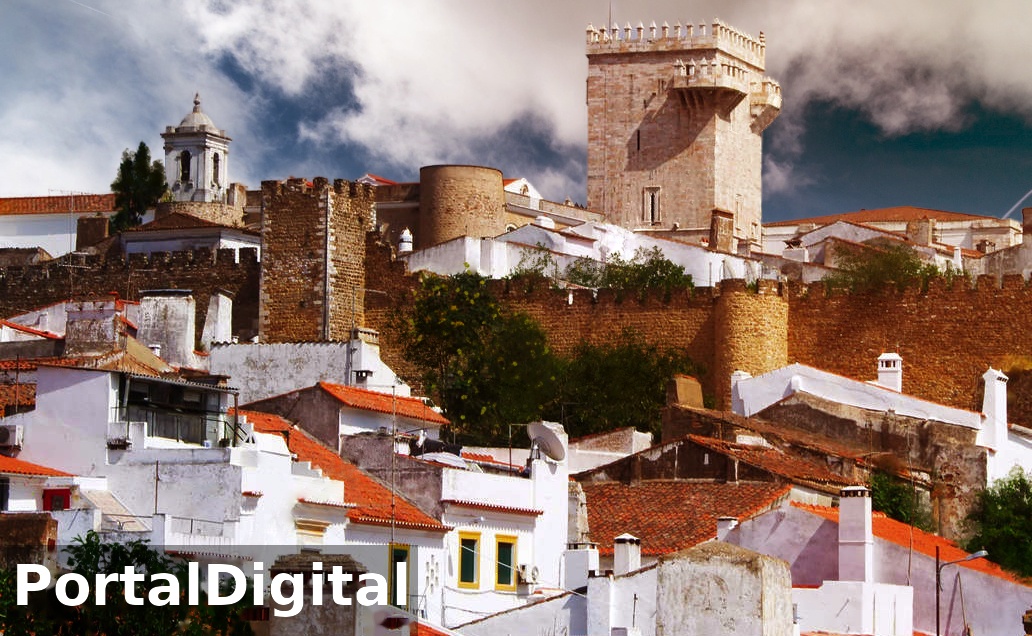
Estremoz is a Portuguese city in the district of Évora, in the Alentejo region, sub-region of Alentejo Central and with 7,483 inhabitants in 2012, Portugal
The municipality of Estremoz is divided into 9 parishes: Ameixial (Santa Vitória and São Bento), Arcos, Estremoz (Santa Maria and Santo André), Évora Monte, Glória, São Bento do Cortiço and Santo Estêvão, São Domingos de Ana Loura, São Lourenço de Mamporcão and São Bento de Ana Loura and Veiros.
The municipality is limited to the north by the municipalities of Sousel and Fronteira, to the northeast by Monforte, to the southeast by Borba, to the south by Redondo and to the west by Évora and Arraiolos.
Estremoz is known internationally for its deposits of white marble, known as Estremoz Marble.
The exploitation of Estremoz marble has a very ancient origin, as can be seen in the Roman Temple and in the main altar of the Évora Cathedral, which contains marble originating from Estremoz.
Estremoz was granted the distinction of «Notable Village» attributed by the kings of Portugal to many of its towns and was elevated to the category of city in 1926.
In the crisis of 1383-1385 it was one of the cities that revolted in Alentejo in favor of João de Aviz shortly after the murder of the Count of Andeiro in Lisbon and in the vicinity of Estremoz the first battle between Portuguese and Castilians at the time took place, the battle of Atoleiros won by the former under the command of D. Nuno Álvares Pereira.
In 1659, it was in Estremoz that the Portuguese army met under the orders of D. António Luís de Meneses, Count of Cantanhede, to help Elvas, which was surrounded by a Spanish army commanded by D. Luís de Haro. From there, they set out to defeat the Spanish in the Battle of the Lines of Elvas, causing enormous casualties to their opponents.
In 1663, the Spanish army commanded by D. João de Austria and the Portuguese army commanded by the counts of Vila Flor and Schomberg clashed in the fields of Ameixial, 5 km from Estremoz.
The Spanish army had just conquered Évora consisting of 3000 horsemen and 2000 men on foot, this being one of the most dangerous Spanish attacks during the Restoration war and after the battle the Spanish army retreated to Badajoz.
The attractions are: Chapel of D. Fradique of Portugal, Casa do Alcaide-Mor, Castle of Evoramonte, Cloister of Misericórdia of Estremoz (Cloister of the Convent of Maltesas), Convent of S. John of Penitence of the Order of Malta, Castle of Estremoz, Chapel of Our Lady of the Martyrs, Church of Saint Francis (tomb of Esteves Gatuz), Padrão do Ameixial, Castle of Veiros, Café Golden Eagles, Convent of Congregados (Museum of Sacred Art), Cruzeiro de São Francisco de Estremoz, Parish Church of São Pedro (Évora Monte), Pelourinho do Canal, Hermitage of Nossa Senhora da Conceição, Church of São Bento do Cortiço, Reynolds Palace, Centro Ciência Viva de Estremoz, Berardo Estremoz Museum, Railway Museum of Estremoz, Municipal Museum Prof. Joaquim Vermelho, Alfaia Agrícola Museum Center, Calçadas de Estremoz (1910), Manuelina Prison (1495-1521), Convention House of Evoramonte, Casa de José António de Lima, Casa Manuel de Sousa, Casa Vieira da Silva, Common Barn of Evoramonte, Medieval Historic Center of Estremoz (Arrabalde de Santiago), Fountain of Santo Estêvão, Public Cistern (16th century), Tomaz Alcaide Statue, Fontanário da Fonte Cansada, Fontanário do Sátiro, Fonte da Granja de Fora, Fonte da Margarida Mentira, Fonte da Silveirinha, Fonte das Bicas, Fonte do Espírito Santo, Fountain of the Hospital Real de São João de Deus, Fonte dos Currais (Rua Brito Capelo), Marco Fontanário de Santo António, Paços do Concelho de Évora Monte, Paços of the Municipality of Veiros, Medieval Town Hall of Estremoz, Palácio dos Coutinhos, Palácio dos Henriques, Palácio dos Marqueses da Praia and Monforte (formerly Solar dos Albergaria), Praça de Touros, Ponte Velha de Veiros, Tanque dos Mouros, Quinta do Carmo, Quinta do Mouro, Teatro Bernardim Ribeiro, Clock Tower of Veiros (Largo dos Combatentes, Veiros) and Villa Romana de Santa Vitória do Ameixial.
The municipality is limited to the north by the municipalities of Sousel and Fronteira, to the northeast by Monforte, to the southeast by Borba, to the south by Redondo and to the west by Évora and Arraiolos.
Estremoz is known internationally for its deposits of white marble, known as Estremoz Marble.
The exploitation of Estremoz marble has a very ancient origin, as can be seen in the Roman Temple and in the main altar of the Évora Cathedral, which contains marble originating from Estremoz.
Estremoz was granted the distinction of «Notable Village» attributed by the kings of Portugal to many of its towns and was elevated to the category of city in 1926.
In the crisis of 1383-1385 it was one of the cities that revolted in Alentejo in favor of João de Aviz shortly after the murder of the Count of Andeiro in Lisbon and in the vicinity of Estremoz the first battle between Portuguese and Castilians at the time took place, the battle of Atoleiros won by the former under the command of D. Nuno Álvares Pereira.
In 1659, it was in Estremoz that the Portuguese army met under the orders of D. António Luís de Meneses, Count of Cantanhede, to help Elvas, which was surrounded by a Spanish army commanded by D. Luís de Haro. From there, they set out to defeat the Spanish in the Battle of the Lines of Elvas, causing enormous casualties to their opponents.
In 1663, the Spanish army commanded by D. João de Austria and the Portuguese army commanded by the counts of Vila Flor and Schomberg clashed in the fields of Ameixial, 5 km from Estremoz.
The Spanish army had just conquered Évora consisting of 3000 horsemen and 2000 men on foot, this being one of the most dangerous Spanish attacks during the Restoration war and after the battle the Spanish army retreated to Badajoz.
The attractions are: Chapel of D. Fradique of Portugal, Casa do Alcaide-Mor, Castle of Evoramonte, Cloister of Misericórdia of Estremoz (Cloister of the Convent of Maltesas), Convent of S. John of Penitence of the Order of Malta, Castle of Estremoz, Chapel of Our Lady of the Martyrs, Church of Saint Francis (tomb of Esteves Gatuz), Padrão do Ameixial, Castle of Veiros, Café Golden Eagles, Convent of Congregados (Museum of Sacred Art), Cruzeiro de São Francisco de Estremoz, Parish Church of São Pedro (Évora Monte), Pelourinho do Canal, Hermitage of Nossa Senhora da Conceição, Church of São Bento do Cortiço, Reynolds Palace, Centro Ciência Viva de Estremoz, Berardo Estremoz Museum, Railway Museum of Estremoz, Municipal Museum Prof. Joaquim Vermelho, Alfaia Agrícola Museum Center, Calçadas de Estremoz (1910), Manuelina Prison (1495-1521), Convention House of Evoramonte, Casa de José António de Lima, Casa Manuel de Sousa, Casa Vieira da Silva, Common Barn of Evoramonte, Medieval Historic Center of Estremoz (Arrabalde de Santiago), Fountain of Santo Estêvão, Public Cistern (16th century), Tomaz Alcaide Statue, Fontanário da Fonte Cansada, Fontanário do Sátiro, Fonte da Granja de Fora, Fonte da Margarida Mentira, Fonte da Silveirinha, Fonte das Bicas, Fonte do Espírito Santo, Fountain of the Hospital Real de São João de Deus, Fonte dos Currais (Rua Brito Capelo), Marco Fontanário de Santo António, Paços do Concelho de Évora Monte, Paços of the Municipality of Veiros, Medieval Town Hall of Estremoz, Palácio dos Coutinhos, Palácio dos Henriques, Palácio dos Marqueses da Praia and Monforte (formerly Solar dos Albergaria), Praça de Touros, Ponte Velha de Veiros, Tanque dos Mouros, Quinta do Carmo, Quinta do Mouro, Teatro Bernardim Ribeiro, Clock Tower of Veiros (Largo dos Combatentes, Veiros) and Villa Romana de Santa Vitória do Ameixial.