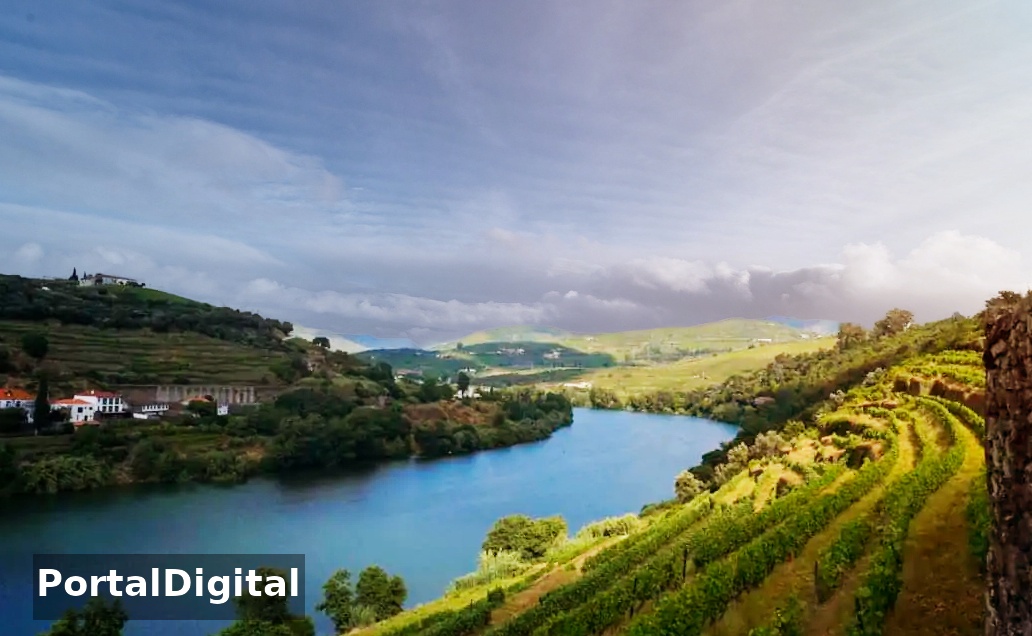


It is located on Rua do Marquês de Pombal, city of Peso da Régua, district of Vila Real, in the North Region, sub-region of Douro
The Douro Museum was conceived as a museum aimed at promoting the vast museological and documentary heritage spread across the region.
The management of the Douro Museum is the responsibility of the Douro Museum Foundation, created by Decree Law 70/2006, establishing it as a legal person under private law and public utility.
The Douro Museum Foundation aims to install, maintain and manage the Douro Museum.
The Douro Museum aims to preserve, study and interpret material and immaterial objects representing the identity, culture, history and development of the Douro with relevance to the theme of winemaking as a central activity in the Douro.
The Douro Museum promotes an exhibition about wine, the history of the Douro region, ranging from the historical part of the cultivation and the manufacturing process of Port wine.
The main building of the Douro Museum, located in the building of the former “Companhia Geral da Agricultura das Vinhas do Alto Douro”, opened on December 20, 2008.
The Douro Museum's mission is to represent the natural and cultural heritage of the Douro Demarcated Region, recognized as a World Heritage Site by UNESCO as a cultural and wine-producing landscape.
The building is home to the Douro Museum, the result of the rehabilitation of one of the most emblematic buildings in the history of the Douro Demarcated Region from the 18th century, Casa da Companhia, opened on December 20, 2008.
A collective space of memory and identity of the wine region, in constant dialogue with the present, and appreciation of activities associated with winemaking, cultural tourism and wine tourism.
The Douro Museum consists of a central space in the exhibition area where the permanent exhibition “Douro: Matter and Spirit” is located.
Surrounding this exhibition space is the «A Companhia» Restaurant, the Shop, the Information Center (Archive and Library), the Reading Room, the Conservation and Restoration Center, the Wine Bar and the Esplanade in the Garden overlooking the Douro River.
In the adjacent space there is another building of modern architecture covered with black slate panels where the Educational Service is located, represented through images, photographs and videos with brochures, pamphlets and panels.
The management of the Douro Museum is the responsibility of the Douro Museum Foundation, created by Decree Law 70/2006, establishing it as a legal person under private law and public utility.
The Douro Museum Foundation aims to install, maintain and manage the Douro Museum.
The Douro Museum aims to preserve, study and interpret material and immaterial objects representing the identity, culture, history and development of the Douro with relevance to the theme of winemaking as a central activity in the Douro.
The Douro Museum promotes an exhibition about wine, the history of the Douro region, ranging from the historical part of the cultivation and the manufacturing process of Port wine.
The main building of the Douro Museum, located in the building of the former “Companhia Geral da Agricultura das Vinhas do Alto Douro”, opened on December 20, 2008.
The Douro Museum's mission is to represent the natural and cultural heritage of the Douro Demarcated Region, recognized as a World Heritage Site by UNESCO as a cultural and wine-producing landscape.
The building is home to the Douro Museum, the result of the rehabilitation of one of the most emblematic buildings in the history of the Douro Demarcated Region from the 18th century, Casa da Companhia, opened on December 20, 2008.
A collective space of memory and identity of the wine region, in constant dialogue with the present, and appreciation of activities associated with winemaking, cultural tourism and wine tourism.
The Douro Museum consists of a central space in the exhibition area where the permanent exhibition “Douro: Matter and Spirit” is located.
Surrounding this exhibition space is the «A Companhia» Restaurant, the Shop, the Information Center (Archive and Library), the Reading Room, the Conservation and Restoration Center, the Wine Bar and the Esplanade in the Garden overlooking the Douro River.
In the adjacent space there is another building of modern architecture covered with black slate panels where the Educational Service is located, represented through images, photographs and videos with brochures, pamphlets and panels.