
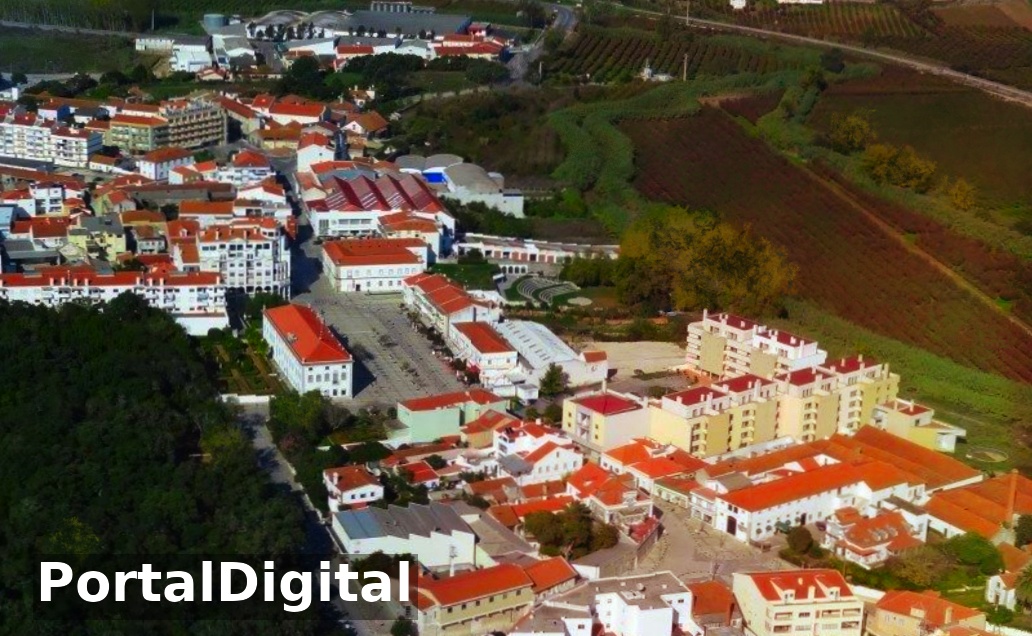
Bombarral is a Portuguese village in the district of Leiria in the province of Estremadura, part of the Intermunicipal Community of the West in the Center region with around 4,400 inhabitants
The municipality is limited to the north by the municipality of Óbidos, to the northeast by Caldas da Rainha, to the southeast by Cadaval and to the southwest by Lourinhã.
The town of Bombarral is located on a very fertile alluvial plain bordered by low hills, on the left bank of the Real River and at an altitude of 50 meters.
The basis of the municipality's economy is small-scale agriculture, where wine, pears and vegetables stand out.
The region has been populated since pre-history, it is known that in the 14th century Bombarral was a farm of the Convent of Alcobaça, appearing in the 18th century as Terras da Rainha.
Bombarral belonged to the municipality of Cadaval until 1852, passing to Óbidos until in 1914 it became the head of the municipality made up of the parishes of Carvalhal, Roliça and Bombarral.
The inauguration of the Oeste railway line on August 1, 1887 led to the agro-industrial development of the town.
The implementation of the Republic, and largely as a thank you for the strong support that the parish provided to the republican movement, Bombarral gained independence in relation to Óbidos.
The territory presents traces of human settlement since the beginning of prehistory, reflected in some archaeological remains such as the Neolithic fortification of the village of Columbeira and the Castro de São Mamede.
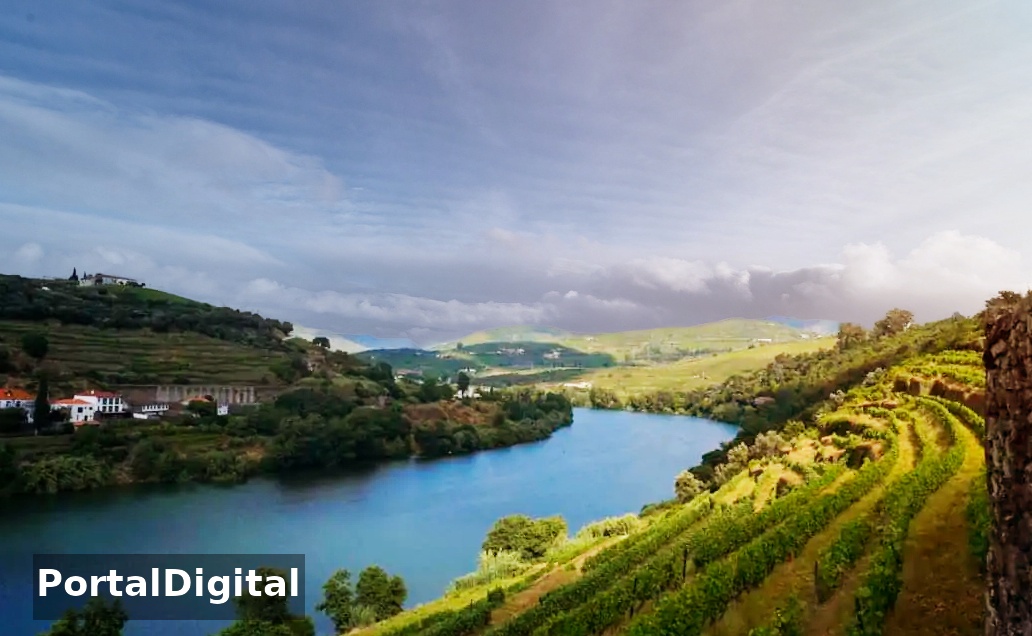
The municipality of Bombarral, located in the West region, south of the district of Leiria, continues to be marked by strong agricultural activity, particularly in the production of quality wines such as Casa Quinta das Cerejeiras, Quinta do Sanguinhal, the Rota da Vinha and Vinho do Oeste trails with around 25 wine producing farms to discover.
The main tourist attractions are: Bacalhôa Buddha Eden and the garden (Quinta dos Loridos), Mata Municipal do Bombarral through the Serra do Picoto, the garden of Quatro Estações, the Museu Municipal do Bombarral, Kartódromo Internacional do Oeste (motorized sports), Campo Aventura, Largo dos Aviadores, Castro da Columbeira, Miradouro da Serra do Picoto, Tomb of Colonel Francis Lake (17 August 1808 saw the Battle of Roliça between the French army (Colonel de Laborde) and the Anglo-Portuguese troops (General Wellesley), Aldeia do Sanguinhal, Church of Our Lady of Purification, Teatro Eduardo Brazão, Bombarral Train Station (tiles of rural life), Igreja Matriz do Bombarral - Igreja Salvador Mundi, local crafts (artistic crockery, tiles and wicker work).
The town of Bombarral is located on a very fertile alluvial plain bordered by low hills, on the left bank of the Real River and at an altitude of 50 meters.
The basis of the municipality's economy is small-scale agriculture, where wine, pears and vegetables stand out.
The region has been populated since pre-history, it is known that in the 14th century Bombarral was a farm of the Convent of Alcobaça, appearing in the 18th century as Terras da Rainha.
Bombarral belonged to the municipality of Cadaval until 1852, passing to Óbidos until in 1914 it became the head of the municipality made up of the parishes of Carvalhal, Roliça and Bombarral.
The inauguration of the Oeste railway line on August 1, 1887 led to the agro-industrial development of the town.
The implementation of the Republic, and largely as a thank you for the strong support that the parish provided to the republican movement, Bombarral gained independence in relation to Óbidos.
The territory presents traces of human settlement since the beginning of prehistory, reflected in some archaeological remains such as the Neolithic fortification of the village of Columbeira and the Castro de São Mamede.
The municipality of Bombarral, located in the West region, south of the district of Leiria, continues to be marked by strong agricultural activity, particularly in the production of quality wines such as Casa Quinta das Cerejeiras, Quinta do Sanguinhal, the Rota da Vinha and Vinho do Oeste trails with around 25 wine producing farms to discover.
The main tourist attractions are: Bacalhôa Buddha Eden and the garden (Quinta dos Loridos), Mata Municipal do Bombarral through the Serra do Picoto, the garden of Quatro Estações, the Museu Municipal do Bombarral, Kartódromo Internacional do Oeste (motorized sports), Campo Aventura, Largo dos Aviadores, Castro da Columbeira, Miradouro da Serra do Picoto, Tomb of Colonel Francis Lake (17 August 1808 saw the Battle of Roliça between the French army (Colonel de Laborde) and the Anglo-Portuguese troops (General Wellesley), Aldeia do Sanguinhal, Church of Our Lady of Purification, Teatro Eduardo Brazão, Bombarral Train Station (tiles of rural life), Igreja Matriz do Bombarral - Igreja Salvador Mundi, local crafts (artistic crockery, tiles and wicker work).