
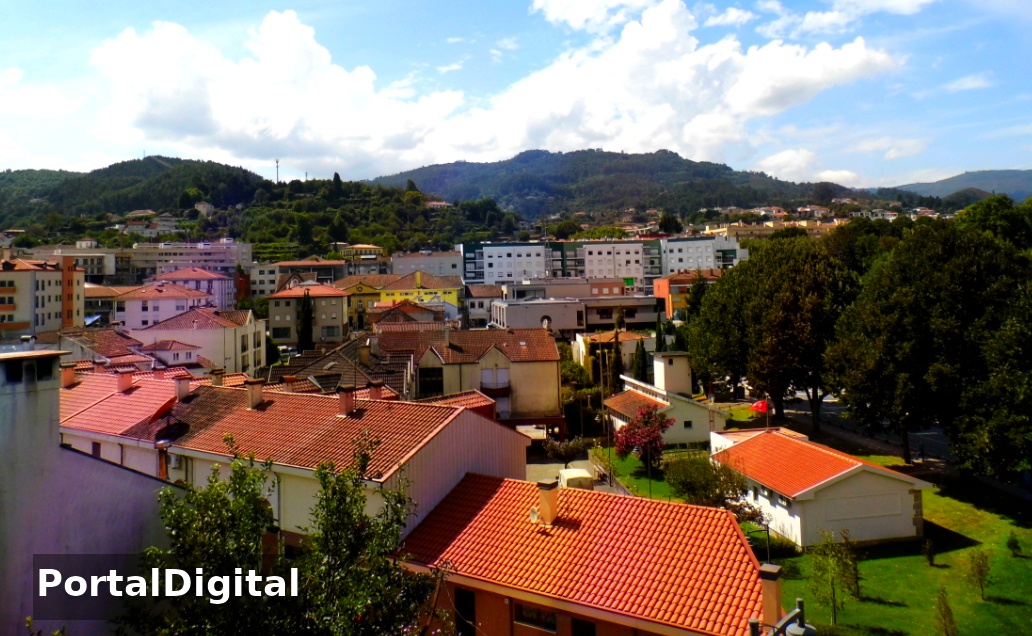
Arcos de Valdevez Arcos de Valdevez is a Portuguese village in the district of Viana do Castelo, North region and sub-region of Alto Minho and is the seat of the municipality of Arcos de Valdevez
The municipality of Arcos de Valdevez, with an area of 447.60 km 2 and 22,847 inhabitants (2011), is subdivided into 36 parishes: Aboim das Choças, Aguiã, Alvora and Loureda, Arcos de Valdevez (São Paio) and Giela (headquarters), Arcos de Valdevez (Salvador), Vila Fonche and Parada (urban), Ázere, Cabana Maior, Cabreiro, Cendufe, Couto, Eiras and Mei, Gavieira, Gondoriz, Grade and Carralcova, Guilhadeses and Santar, Jolda (Madalena) and Rio Cabrão, Miranda, Monte Redondo, Oliveira, Paçô, Padreiro (Salvador and Santa Cristina), Padroso, Portela and Extremo, Prozelo, Rio de Moinhos, Rio Frio, Sabadim, São Jorge and Ermelo, São Paio de Jolda, Senharei, Sistelo, Soajo (village), Souto e Tabaçô, Távora (Santa Maria and São Vicente), Vale, Vilela, São Cosme and São Damião e Sá.
The municipality is limited to the north by the municipality of Monção, to the northeast by Melgaço, to the east by Galicia, to the south by Ponte da Barca, to the southwest and west by Ponte de Lima and to the west by Paredes de Coura.
The so-called Tournament of Arcos de Valdevez, also known as "Recontro de Valdevez" was an important and decisive episode in the History of Portugal linked to the early days of nationality, being the antecedent to the celebration of the Treaty of Zamora in 1143.
In 1662, during the Restoration War, the town was burned by the general governor of arms of Castile, D. Baltazar Rojas Pantoja, who established his headquarters in Paço de Giela in an energetic offensive on the Minho.
The highest point in the municipality is located in Pedrada at an altitude of 1,416 meters in Serra de Soajo.
Arcos de Valdevez is one of the most beautiful lands in Minho and with a history associated with one of the most notable facts in the history of the birth of Portuguese independence.
Porta do Mezio, one of the five doors of the Peneda Gerês National Park, is the entrance hall to the magnificent immensity of the mountains and valleys of Soajo and Peneda.
A municipality integrated in the unique Peneda-Gerês National Park declared by UNESCO as a World Biosphere Reserve also makes Arcos de Valdevez a tourist destination that offers environmental, scenic and biodiversity richness in a territory of excellence in the national context.
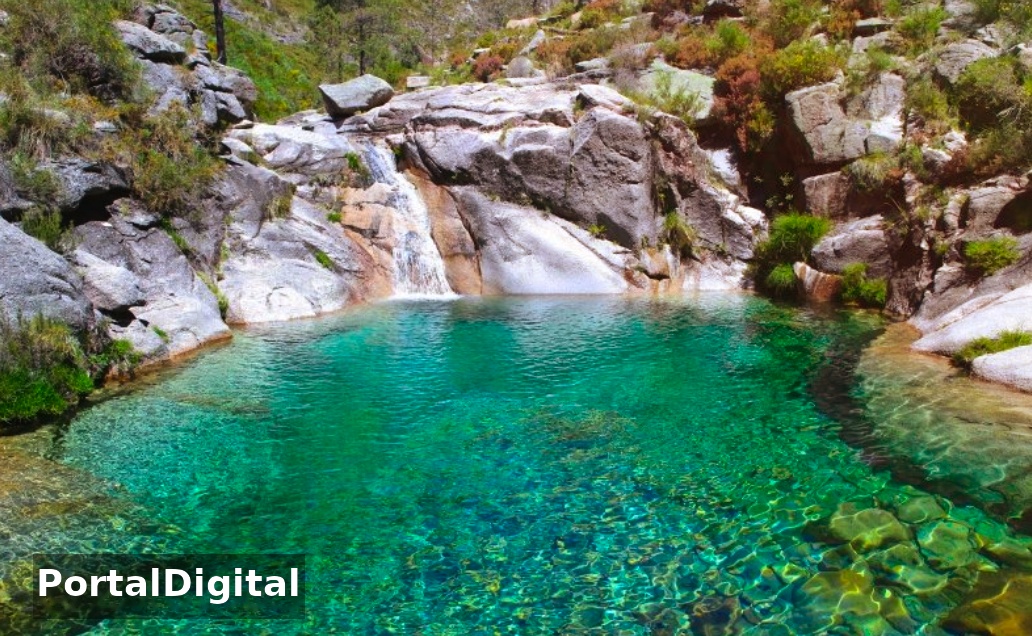
The Peneda-Gerês National Park stands out for the richness of its beautiful landscapes, among mountains, plateaus, valleys, dams, waterfalls and a rich fauna and flora that want to be preserved.
An area of traditions and customs already inhabited since the Neolithic period, with important archaeological remains from distant times (such as the Dolmens on the Castro Laboreiro plateau or the Soajo mountain range), and a very unique community spirit subsisting through agriculture, pastoralism and livestock farming.
In the Park, the most characteristic species are the oak, the strawberry tree, the holly, the cherries, the pine, heather and broom, the Gerês lily, the Gerês fern and the Gerês hypericão.
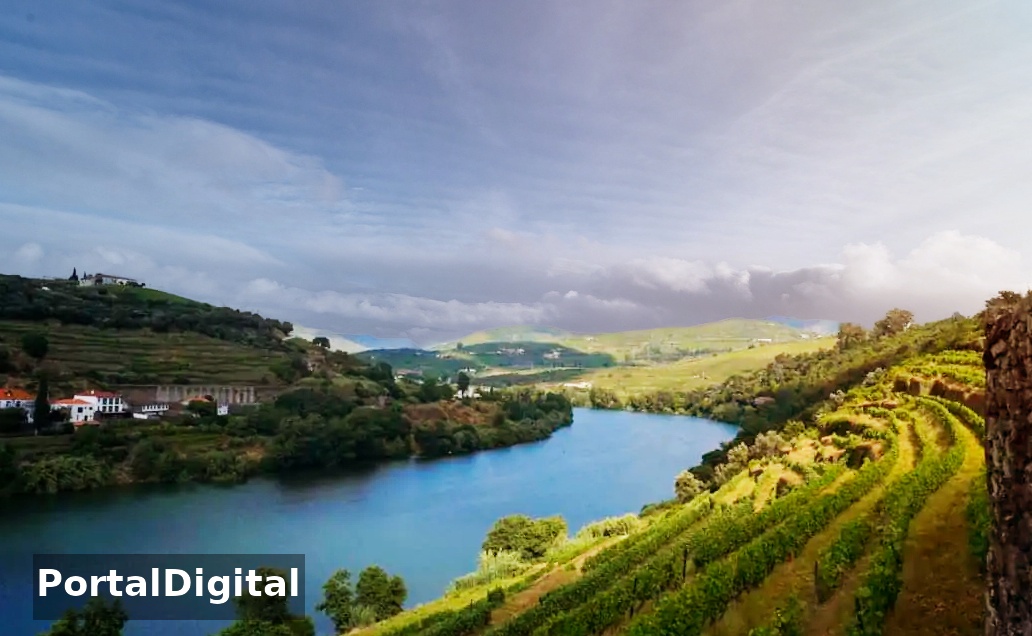
The municipality is marked by a green landscape, with abundant flora and fauna, sunny architecture and a river that marks Arcuense life.
According to some scholars, the Vez River is the least polluted in Europe with an attractive geographical location, Rural Tourism is also very common, and there are many who do not miss a visit to the Peneda-Gerês National Park, Soajo and Peneda.
The village surrounded by mountains has viewpoints of unique beauty, highlighting Serra da Peneda and the viewpoints of Adrão and Penedo da Meadinha.
Sistelo is famous for its terraces that arise due to the need to increase the agricultural surface and counteract the slopes.
The typical dishes of this land are Carne da Cachena, Cozido à Minhota, Cabrito and Rojões and papas de Sarrabulho, in terms of sweets it is worth mentioning the disc cake, cigars from Arcos, sweets from Arcos and Pão-de-Ló de Soajo.
In Arcos de Valdevez we can see Lapa Church (Largo da Lapa, Vila de Arcos de Valdevez), Water Clock, Pelourinho de Arcos de Valdevez, Main Church of Arcos de Valdevez (Municipal Square, Vila de Arcos de Valdevez), Municipal Library/Casa das Artes (Jardim dos Centenários, Rua Carlos da Cunha, Arcos de Valdevez), Espírito Santo Church (Jardim dos Centenários, Arcos de Valdevez), Chapel of Nossa Senhora da Conceição da Praça (Rua da Praça, Arcos de Valdevez), Church of the Monastery of São Bento (Arcos de Valdevez), Open Air Water Museum of Rio Vez - Arcos De Valdevez, Praia Fluvial da Valeta (Largo Visc. do Rio Vez, Arcos de Valdevez), Misericórdia Church (Rua Amorim Soares, Arcos de Valdevez), Cruzeiro do Senhor dos Milagres (R. dos Milagres, Arcos de Valdevez), Passadiço do Mortemo (Rua Prof. Dr. Júlio Almeida Costa, Arcos de Valdevez), Parish Church of São Paio (Rua. Dr. Teixeira de Queiróz, Arcos de Valdevez), Monument to the Tournament of Arcos de Valdevez (Campo do Trasladário, Arcos de Valdevez), Paço de Giela (parish of Giela, Arcos de Valdevez) and Ponte dos Arcos or Ponte Centenária dos Arcos (Rua dos Milagres, Arcos de Valdevez), Municipal Chamber of Arcos de Valdevez (Praça Município, Arcos de Valdevez), ecovia do Vez and pedestrian routes, Cascatas do Rio Cabrão (access on foot - 580m), Baroque Interpretive Center or Museum (Jardim dos Centenários, Arcos de Valdevez), Lagoas da Gralheira, Casa da Coutada, Torre de Grade, Casa de Valverde, Casa da Ponte and Quinta, Casa and Torre de Aguiã and Baloiço do Mezio, Quinta and Paço da Glória and Chapel of Nossa Senhora do Castelo.
The municipality is limited to the north by the municipality of Monção, to the northeast by Melgaço, to the east by Galicia, to the south by Ponte da Barca, to the southwest and west by Ponte de Lima and to the west by Paredes de Coura.
The so-called Tournament of Arcos de Valdevez, also known as "Recontro de Valdevez" was an important and decisive episode in the History of Portugal linked to the early days of nationality, being the antecedent to the celebration of the Treaty of Zamora in 1143.
In 1662, during the Restoration War, the town was burned by the general governor of arms of Castile, D. Baltazar Rojas Pantoja, who established his headquarters in Paço de Giela in an energetic offensive on the Minho.
The highest point in the municipality is located in Pedrada at an altitude of 1,416 meters in Serra de Soajo.
Arcos de Valdevez is one of the most beautiful lands in Minho and with a history associated with one of the most notable facts in the history of the birth of Portuguese independence.
Porta do Mezio, one of the five doors of the Peneda Gerês National Park, is the entrance hall to the magnificent immensity of the mountains and valleys of Soajo and Peneda.
A municipality integrated in the unique Peneda-Gerês National Park declared by UNESCO as a World Biosphere Reserve also makes Arcos de Valdevez a tourist destination that offers environmental, scenic and biodiversity richness in a territory of excellence in the national context.
The Peneda-Gerês National Park stands out for the richness of its beautiful landscapes, among mountains, plateaus, valleys, dams, waterfalls and a rich fauna and flora that want to be preserved.
An area of traditions and customs already inhabited since the Neolithic period, with important archaeological remains from distant times (such as the Dolmens on the Castro Laboreiro plateau or the Soajo mountain range), and a very unique community spirit subsisting through agriculture, pastoralism and livestock farming.
In the Park, the most characteristic species are the oak, the strawberry tree, the holly, the cherries, the pine, heather and broom, the Gerês lily, the Gerês fern and the Gerês hypericão.
The municipality is marked by a green landscape, with abundant flora and fauna, sunny architecture and a river that marks Arcuense life.
According to some scholars, the Vez River is the least polluted in Europe with an attractive geographical location, Rural Tourism is also very common, and there are many who do not miss a visit to the Peneda-Gerês National Park, Soajo and Peneda.
The village surrounded by mountains has viewpoints of unique beauty, highlighting Serra da Peneda and the viewpoints of Adrão and Penedo da Meadinha.
Sistelo is famous for its terraces that arise due to the need to increase the agricultural surface and counteract the slopes.
The typical dishes of this land are Carne da Cachena, Cozido à Minhota, Cabrito and Rojões and papas de Sarrabulho, in terms of sweets it is worth mentioning the disc cake, cigars from Arcos, sweets from Arcos and Pão-de-Ló de Soajo.
In Arcos de Valdevez we can see Lapa Church (Largo da Lapa, Vila de Arcos de Valdevez), Water Clock, Pelourinho de Arcos de Valdevez, Main Church of Arcos de Valdevez (Municipal Square, Vila de Arcos de Valdevez), Municipal Library/Casa das Artes (Jardim dos Centenários, Rua Carlos da Cunha, Arcos de Valdevez), Espírito Santo Church (Jardim dos Centenários, Arcos de Valdevez), Chapel of Nossa Senhora da Conceição da Praça (Rua da Praça, Arcos de Valdevez), Church of the Monastery of São Bento (Arcos de Valdevez), Open Air Water Museum of Rio Vez - Arcos De Valdevez, Praia Fluvial da Valeta (Largo Visc. do Rio Vez, Arcos de Valdevez), Misericórdia Church (Rua Amorim Soares, Arcos de Valdevez), Cruzeiro do Senhor dos Milagres (R. dos Milagres, Arcos de Valdevez), Passadiço do Mortemo (Rua Prof. Dr. Júlio Almeida Costa, Arcos de Valdevez), Parish Church of São Paio (Rua. Dr. Teixeira de Queiróz, Arcos de Valdevez), Monument to the Tournament of Arcos de Valdevez (Campo do Trasladário, Arcos de Valdevez), Paço de Giela (parish of Giela, Arcos de Valdevez) and Ponte dos Arcos or Ponte Centenária dos Arcos (Rua dos Milagres, Arcos de Valdevez), Municipal Chamber of Arcos de Valdevez (Praça Município, Arcos de Valdevez), ecovia do Vez and pedestrian routes, Cascatas do Rio Cabrão (access on foot - 580m), Baroque Interpretive Center or Museum (Jardim dos Centenários, Arcos de Valdevez), Lagoas da Gralheira, Casa da Coutada, Torre de Grade, Casa de Valverde, Casa da Ponte and Quinta, Casa and Torre de Aguiã and Baloiço do Mezio, Quinta and Paço da Glória and Chapel of Nossa Senhora do Castelo.